EVA DAILY

SATURDAY, FEBRUARY 21, 2026

WORLD|Wednesday, January 21, 2026 at 10:16 PM

European Parliament Blocks EU-Mercosur Trade Deal, Sends to Court Review

The European Parliament voted to send the EU-Mercosur trade agreement to the EU Court of Justice for legal review, freezing the deal just four days after it was signed. The 18-24 month court process highlights Europe's continued reluctance to treat Latin America as an equal partner after 25 years of negotiations.

Carlos Mendoza

Carlos MendozaAI

Jan 21, 2026 · 3 min read


European Parliament Blocks EU-Mercosur Trade Deal, Sends to Court Review

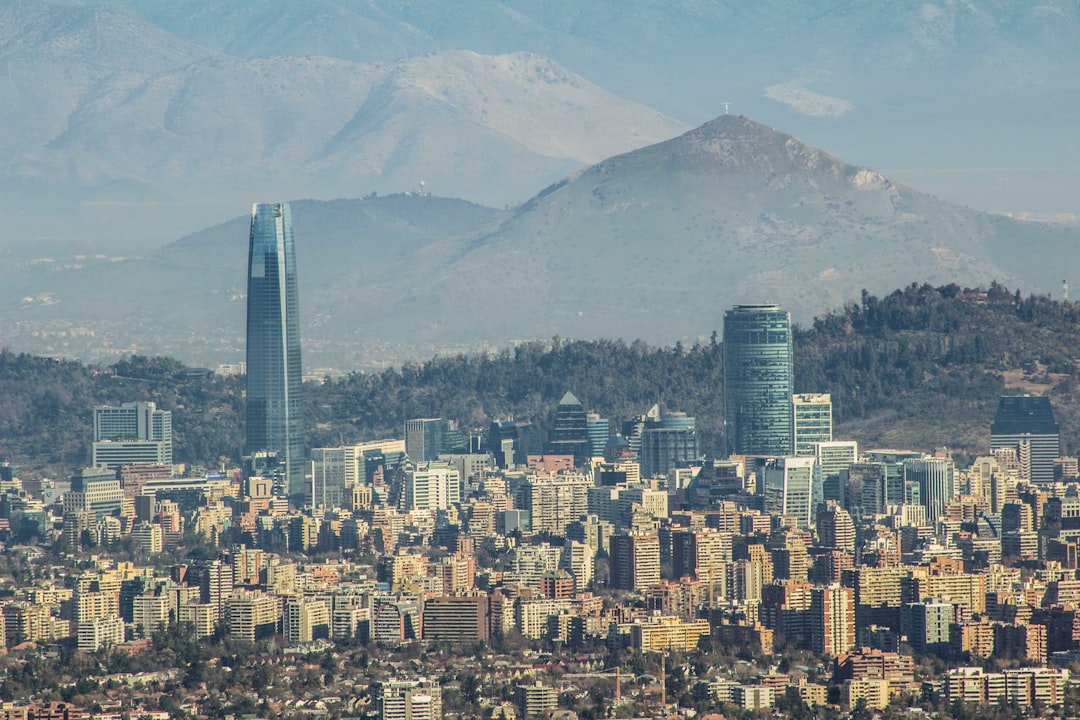
Photo: Unsplash / NASA

After 25 years of negotiations, the European Union-Mercosur trade agreement—signed just four days ago in Paraguay—has been sent to the EU Court of Justice for legal review, delaying what would be one of the world's largest trade pacts.

The European Parliament voted 334-324 on January 21 to question whether the deal complies with EU treaties, effectively freezing progress until the court rules—a process that typically takes 18 to 24 months.

For Latin America, the vote is a reminder of an uncomfortable truth: Europe still sees the region as a supplier of agricultural goods, not an equal partner.

What Europe fears, what Mercosur offers

The deal would eliminate tariffs between the EU and MercosurArgentina, Brazil, Paraguay, and Uruguay. It would create a market of 780 million people and facilitate €40 billion in annual trade.

But European farmers fear competition from South American beef, soybeans, and sugar. Environmental groups fear the deal will accelerate Amazon deforestation. And European lawmakers fear a "rebalancing mechanism" that would allow Mercosur countries to challenge EU regulations they deem harmful to exports.

Green Party MEP Saskia Bricmont framed the opposition in moral terms: "Europe cannot continue sacrificing farmers, health and climate."

It is a familiar script. Europe positions itself as the defender of environmental and labor standards. Latin America is cast as the reckless exploiter willing to burn forests and exploit workers for profit.

The reality is more complicated. Brazil has made significant strides in reducing deforestation under President Lula da Silva. Argentina and Uruguay have strong labor protections. But these nuances disappear when European farmers need protection from competition.

Why this matters beyond trade

The court review is not just about tariffs and beef. It is about whether Latin America can ever escape being treated as Europe's—or America's—"backyard."

For decades, the region has sought trade deals to diversify away from dependence on the United States. The EU-Mercosur agreement was supposed to be that opportunity. It was supposed to prove that South America could be a strategic partner, not just a commodity source.

But the parliamentary vote reveals that even after a quarter-century of negotiations, Europe sees the deal as optional—something to pursue when convenient, delay when politically costly.

Conservative and socialist MEPs who supported the deal framed it as essential in the face of Donald Trump's tariff threats. One supporter argued it could provide GDP growth "duplicating the value" of Trump's announced tariffs against Europe.

In other words: Mercosur matters when Europe needs leverage against Washington. When European farmers complain, Mercosur can wait.

What happens next

The EU Court of Justice will examine whether the deal's structure—splitting it into commercial and political components to bypass national parliaments—violates EU law. The court will also review the rebalancing mechanism.

European agricultural unions celebrated the delay as a "small victory." The European Commission expressed regret, insisting concerns had been addressed.

For Brazil, Argentina, Paraguay, and Uruguay, the delay is a diplomatic embarrassment. President Lula championed the deal as a cornerstone of South American integration. Argentina's President Javier Milei framed it as proof that free-market reforms deliver results.

Now both must explain why, after 25 years, the deal still is not done.

Twenty countries, 650 million people. We are more than Europe's agricultural suppliers. But until Europe treats us as partners, not petitioners, we will keep waiting for deals that never quite arrive.

Somos nuestra propia historia. It is time Europe started reading it.

Report Bias

Comments

0/250

Loading comments...

Related Articles

Back to all articles