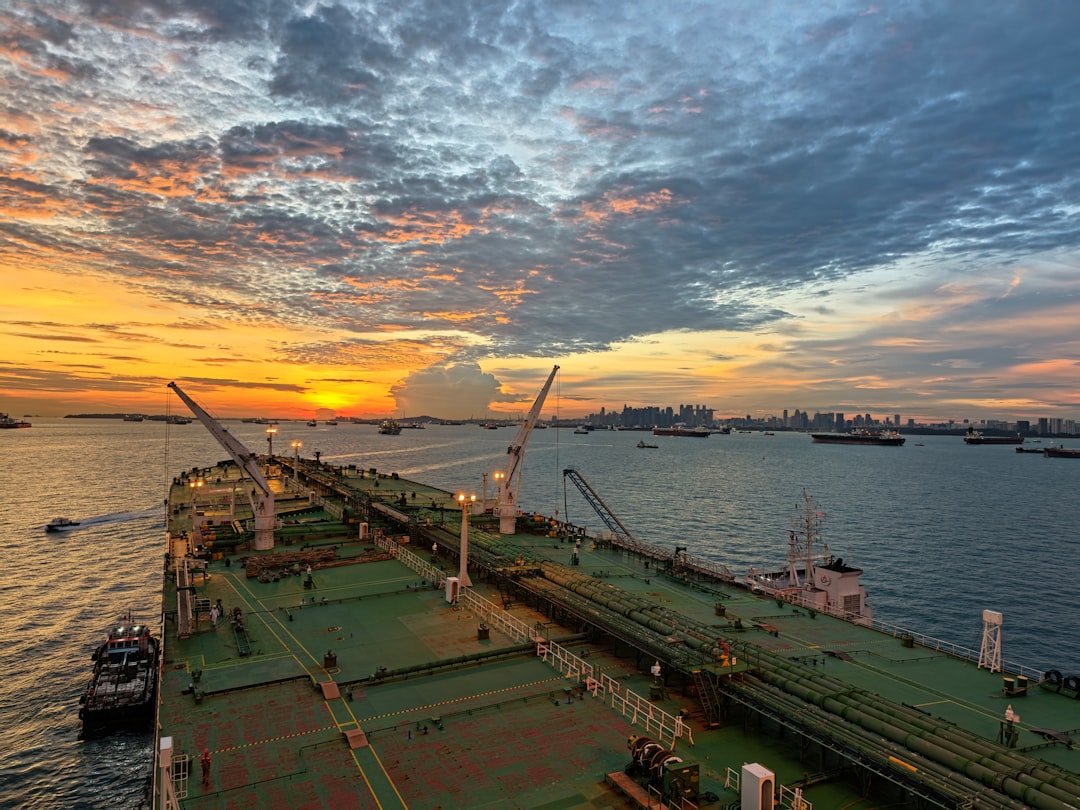
European security analysts are urging EU governments to seize and permanently hold Russian oil tankers violating sanctions, arguing that the current "catch-and-release" approach has proven ineffective at deterring Moscow's systematic evasion of energy export restrictions.The call, articulated in a policy paper published by the Brussels-based think tank European Council on Foreign Relations, contends that European maritime authorities have the legal basis and operational capacity to confiscate vessels but have lacked the political will to implement such measures comprehensively."We detain tankers, inspect them, document violations, and then let them go," the analysis states, according to Euractiv. "This approach sends exactly the wrong message—that sanctions can be violated with minimal consequences."The debate over tanker seizures reflects broader frustration within European policy circles about the effectiveness of sanctions against Russian energy exports. Despite unprecedented restrictions implemented since the invasion of Ukraine, Russia has maintained substantial oil export revenues through a combination of shadow fleets, opaque trading schemes, and tacit cooperation from sanctions-skeptical nations.To understand today's headlines, we must look at yesterday's decisions. The European Union and G7 partners implemented a $60-per-barrel price cap on Russian oil in December 2022, designed to limit Moscow's revenues while preventing supply disruptions. The mechanism relies on Western insurance and shipping services, which dominate global maritime trade.However, Russia has developed an extensive "shadow fleet" of aging tankers operating outside Western-regulated insurance and financing systems. These vessels often lack proper safety certifications, engage in ship-to-ship transfers in international waters, and use deliberately opaque ownership structures to obscure their operations.European maritime authorities have intercepted dozens of suspected sanctions-evading tankers in recent months, particularly in the and . Inspections typically confirm violations—insurance irregularities, falsified documentation, or cargo originating from sanctioned Russian ports. said , former chief of the Danish Navy, who has advocated for stricter enforcement. The analysts' proposal calls for permanent seizure of vessels found in violation of sanctions, with ships either sold at auction with proceeds directed toward Ukrainian reconstruction or, in cases of severe safety violations, scrapped. They argue this approach would impose meaningful costs on the shadow fleet operators and create powerful deterrents.The legal basis for such seizures exists under both sanctions regulations and international maritime law, according to legal experts consulted for the analysis. Vessels operating without proper insurance pose environmental hazards, while deliberately falsified documentation constitutes fraud under maritime conventions. said , a senior fellow at the American Enterprise Institute who has studied sanctions enforcement. Implementation would face significant practical challenges. Seized vessels require secure moorage, legal proceedings to establish confiscation, and management of environmental and safety risks associated with aging tankers. The process could take months or years, during which governments bear responsibility for maintenance and potential contamination.Historical precedents offer mixed guidance. powers seized and vessels after World War II, while more recent examples include seizures of Iranian tankers accused of sanctions violations. But the scale proposed—potentially dozens of vessels annually—would be unprecedented in peacetime.Russian officials have warned that tanker seizures would be treated as and could provoke military responses, particularly in the where Russian naval forces operate in proximity to members. The threats are likely bluster, but they illustrate the escalatory risks inherent in aggressive enforcement.The proposal has generated debate within European policy circles. states and , which have advocated for maximum pressure on , have expressed support. But maritime nations like and , with extensive shipping industries and complex relationships with Russian energy trade, have voiced concerns about precedent and economic impact. a Greek shipping industry representative told this correspondent, speaking anonymously to discuss sensitive commercial matters. Environmental organizations have offered qualified support for the proposal, particularly regarding the safety risks posed by aging shadow fleet tankers. Several near-miss incidents in European waters have raised alarms about potential oil spills, with vessels lacking adequate insurance to cover cleanup costs. said of the Baltic Sea Action Group. The current waiver on Russian oil sanctions, implemented to address the crisis, complicates the European debate. If is easing enforcement to stabilize energy markets, aggressive European action could appear inconsistent with transatlantic coordination—or alternatively, demonstrate European commitment exceeding that of the .For now, the proposal remains in the realm of policy advocacy rather than imminent action. But the analysis reflects growing frustration within European security communities that sanctions without serious enforcement become merely symbolic gestures—words on paper rather than meaningful constraints on aggression." is waging war against a European nation while funding that war through systematic sanctions evasion,The question is whether will take the steps necessary to make its stated policies meaningful, or continue to tolerate violations that undermine both our security and credibility."
|