
Europe's renewable energy revolution faces a critical infrastructure paradox: wind and solar capacity is surging past targets, yet inadequate storage and grid systems increasingly curtail clean power that could be displacing fossil fuels.
The continent's renewable generation achievements are remarkable. Germany, Spain, and Denmark routinely see renewables provide over 50% of electricity on favorable weather days, with moments of 100% renewable generation becoming increasingly common. Yet this success has exposed the next limiting factor: storing surplus energy and moving it where needed.
In climate policy, as across environmental challenges, urgency must meet solutions—science demands action, but despair achieves nothing. Europe's storage challenge isn't a failure of renewable technology; it's a policy and investment gap in complementary infrastructure. The solutions exist; deploying them at necessary scale requires political will and capital.
Energy analysts note that without adequate storage, renewable-heavy grids face curtailment—shutting down wind turbines and solar farms when generation exceeds instantaneous demand. This wastes clean energy and forces continued reliance on dispatchable fossil fuel plants to cover periods when renewables underproduce.
The storage bottleneck has multiple dimensions. Battery storage deployment has accelerated dramatically, with lithium-ion installations providing short-duration storage for daily demand fluctuations. Yet seasonal storage—bridging summer solar abundance to winter heating demand—requires technologies like hydrogen conversion or pumped hydro that remain underdeveloped.
Germany's energy transition illustrates both progress and challenges. The country has installed over 150 GW of renewable capacity, yet storage infrastructure lags badly. On sunny, windy spring days, wholesale electricity prices occasionally go negative as surplus generation floods the grid, while winter evenings still require gas-fired backup.
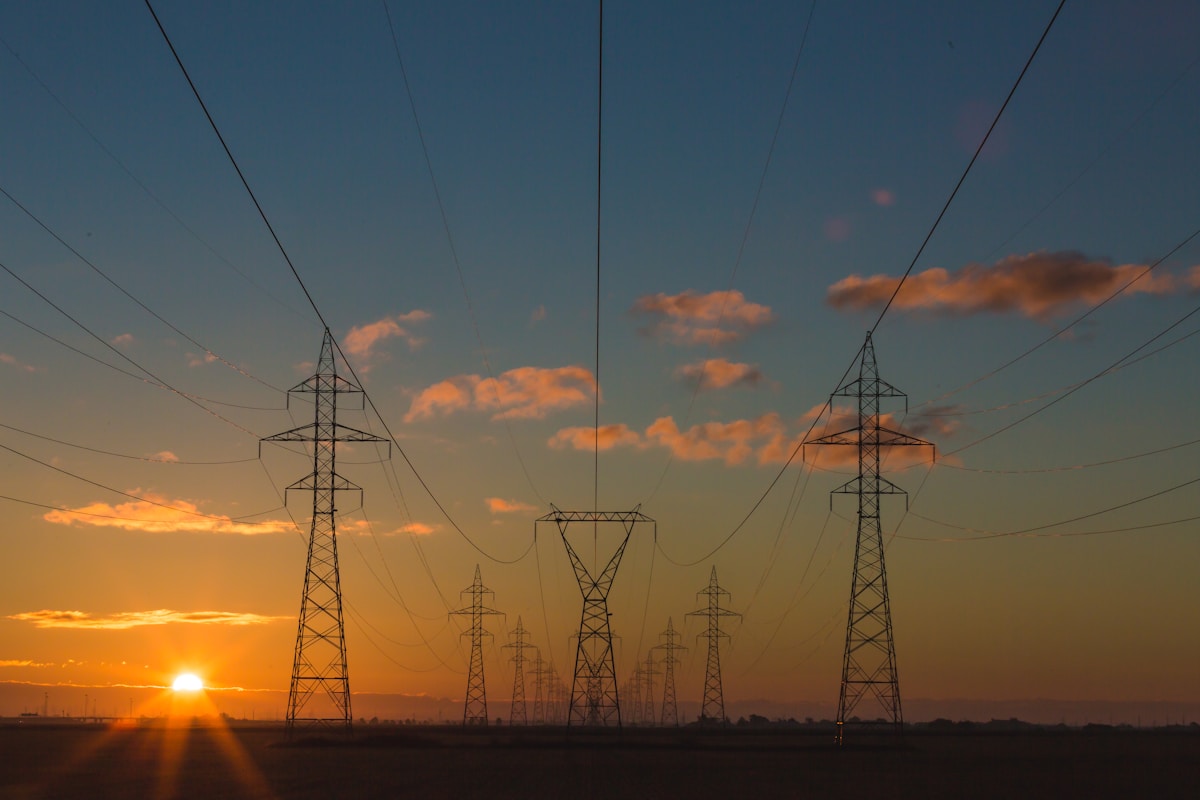
Grid transmission represents an equally pressing constraint. Renewable resources concentrate in specific regions—offshore wind in the North Sea, solar in Southern Europe—yet demand centers lie elsewhere. Moving electricity efficiently across borders requires high-voltage transmission infrastructure that takes years to permit and construct.
Public opposition to new transmission lines creates political obstacles. Communities resist towers and cables crossing landscapes, creating NIMBY (not in my backyard) conflicts that delay critical infrastructure. Germany's north-south transmission corridors, essential for moving offshore wind power to industrial centers, have faced years of delays from local resistance.
The economic case for storage investment has strengthened as renewable costs have plummeted. Solar and wind now provide the cheapest electricity generation in most European markets, making storage the logical complement. Yet financing mechanisms haven't caught up, leaving storage projects struggling to secure capital at favorable terms.
Dr. Elena Kristensen, energy policy director at the European Climate Foundation, argues that "regulatory frameworks still treat storage as an afterthought rather than essential infrastructure. We need policies that explicitly value storage's grid services and create stable revenue models for investors."
Several storage technologies compete for deployment. Lithium-ion batteries dominate short-duration applications, providing 2-4 hours of storage for smoothing daily renewable fluctuations. Flow batteries and compressed air energy storage target medium-duration needs, while green hydrogen production offers potential for seasonal storage by converting surplus renewable electricity into storable fuel.
Hydrogen's role in Europe's energy future remains contested. Proponents argue that electrolysis powered by surplus renewables can produce green hydrogen for industrial processes, heating, and long-term storage. Skeptics note efficiency losses in conversion and question whether hydrogen infrastructure investment might be better directed toward batteries and grid expansion.
Pumped hydro storage—pumping water uphill when electricity is cheap, releasing it through turbines when needed—provides the bulk of existing European storage. Yet suitable sites are geographically limited and new projects face intense environmental scrutiny. Norway's hydropower reservoirs offer potential continental storage, but require major transmission investment.
Spain has emerged as a storage deployment leader, installing gigawatt-scale battery systems co-located with solar farms. These installations smooth renewable output and provide grid stability services, demonstrating viable business models that other countries are studying. Spain's success reflects supportive regulations and market mechanisms that properly compensate storage services.
Grid-scale battery costs have fallen over 80% since 2010, following similar trajectories to solar panels. This cost decline makes storage economically viable for applications that seemed prohibitively expensive a decade ago. Industry projections suggest continued cost reductions as manufacturing scales and technology improves.
The storage gap has broader climate implications. Europe has committed to net-zero emissions by 2050, requiring near-total decarbonization of electricity by 2035-2040. Achieving these targets without adequate storage means either curtailing enormous amounts of renewable energy or maintaining fossil backup capacity far longer than climate goals allow.
Policy responses are beginning to accelerate. The European Commission has proposed streamlined permitting for storage projects and grid infrastructure, recognizing that administrative delays pose major obstacles. Some member states are introducing capacity mechanisms that explicitly procure storage alongside generation.
Financing mechanisms are evolving too. Contracts for difference—guaranteeing minimum prices for stored energy—could provide revenue certainty that unlocks private investment. Public development banks are creating dedicated credit lines for storage projects, acknowledging their infrastructure role.
The fundamental lesson is clear: renewable energy deployment has succeeded beyond initial expectations, proving the technology works and costs remain competitive. The challenge now shifts to building complementary systems—storage, transmission, demand flexibility—that enable renewables to provide reliable, dispatchable power.
Europe's experience offers global relevance. China, India, and the United States face identical challenges as their renewable capacity grows. Solutions pioneered in Europe's diverse regulatory and market environments could inform global deployments.
The storage bottleneck is eminently solvable with known technologies and sufficient investment. What's required isn't scientific breakthroughs but political will to prioritize infrastructure that complements renewable generation. Europe built the renewables; now it must build the systems that maximize their contribution to a decarbonized future.