Europeans aren't waiting for utilities to fix the energy crisis. They're building their own power plants.
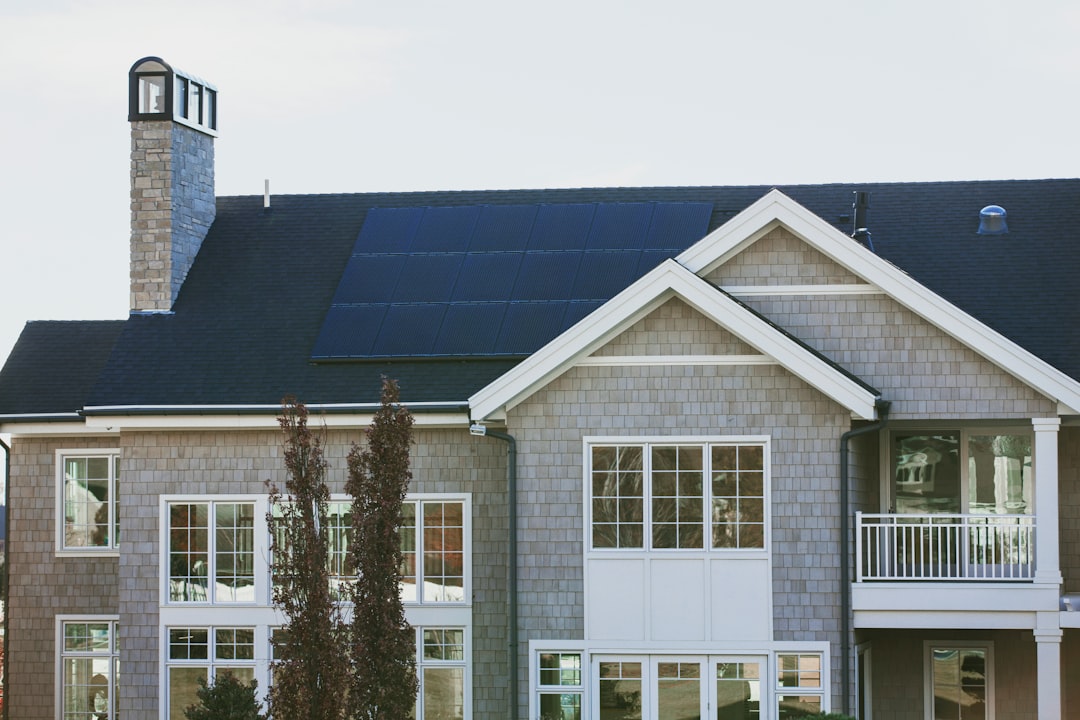
Not metaphorically. Actually. Homeowners across Europe are installing ground-mounted solar arrays in their yards, going far beyond traditional rooftop panels. According to Euronews, this is driven by a combination of falling solar costs and genuine anxiety about energy security.
This isn't a trend piece about sustainability. This is an infrastructure shift happening in real time, driven by people who no longer trust the grid to be reliable.
Why Now?
Two things changed. First, solar hardware got cheap enough that payback periods dropped from 15 years to 5-7 years. Second, energy prices spiked so high after geopolitical instability that people started doing the math on energy independence.
Ground-mounted systems offer something rooftop panels don't: scalability. You can install 10-20 kW of capacity if you have the yard space. That's enough to power most homes and charge an EV. Some people are going bigger, installing battery storage to go fully off-grid.
The technology isn't exotic. These are the same panels you'd put on a roof, just mounted at ground level on simple frames. The inverters are standard. The batteries are increasingly affordable. This is off-the-shelf hardware solving a real problem.
What It Means for the Grid
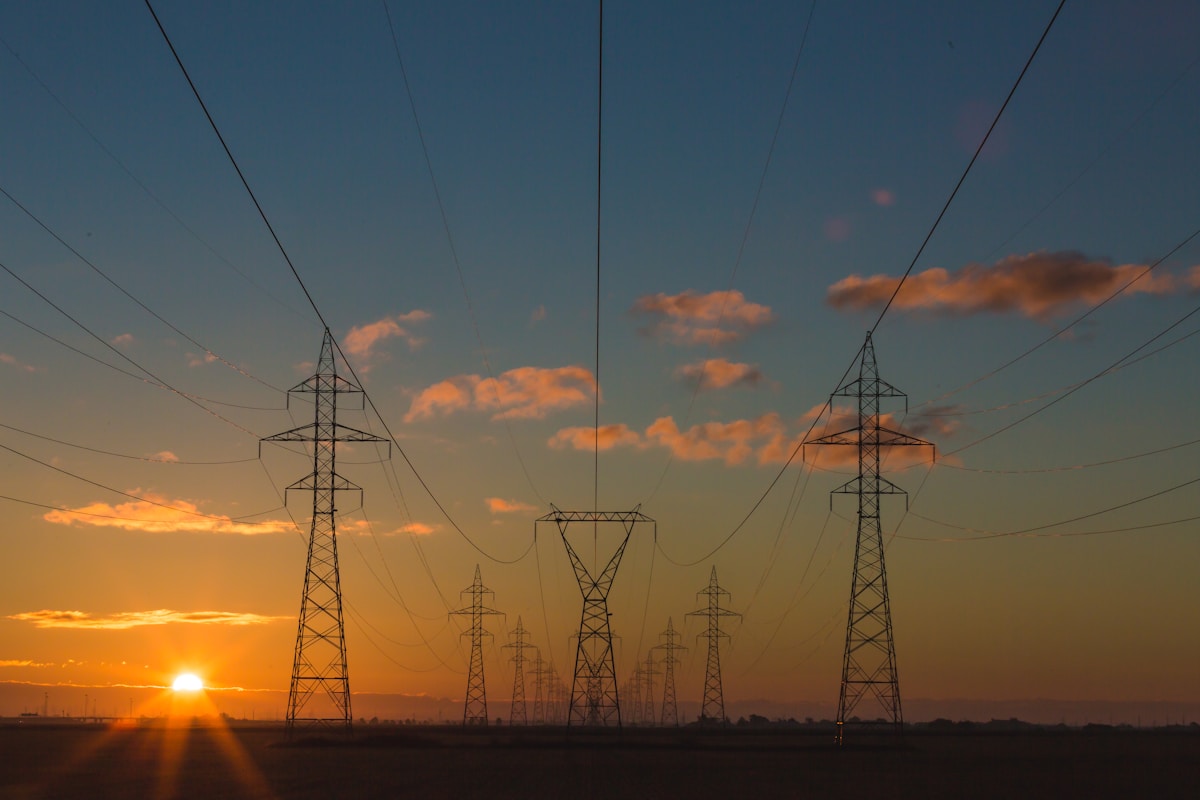
When thousands of homes become micro-power plants, the grid has to adapt. European utilities are already dealing with bidirectional flow, where power moves from homes back to the grid during peak solar hours.
This creates interesting technical challenges. Grid stability depends on predictable supply and demand. When a significant percentage of homes are generating their own power, the demand curve changes. Utilities are scrambling to upgrade infrastructure to handle this.
But here's what's fascinating: people are doing this anyway. They're not asking permission or waiting for incentives. They're just installing solar because it makes economic sense and gives them control.
Tech community members in online discussions note that this is exactly what decentralized energy infrastructure looks like. Not a top-down plan from utilities, but bottom-up adoption driven by economics and anxiety.
Can This Scale?
The limiting factor is land. Urban areas with small yards can't do this. Apartment buildings need different solutions. But for suburban and rural Europe, this is practical right now.
Some estimates suggest millions of European homes have sufficient yard space for ground-mounted arrays. If even 10% of them install systems over the next five years, that's a meaningful percentage of residential energy demand met locally.
This is what real energy transition looks like. Not government mandates or corporate pledges. Just people making rational decisions based on cost and reliability, and the technology being good enough to actually work.
The technology is impressive. The question is how quickly the grid can adapt.