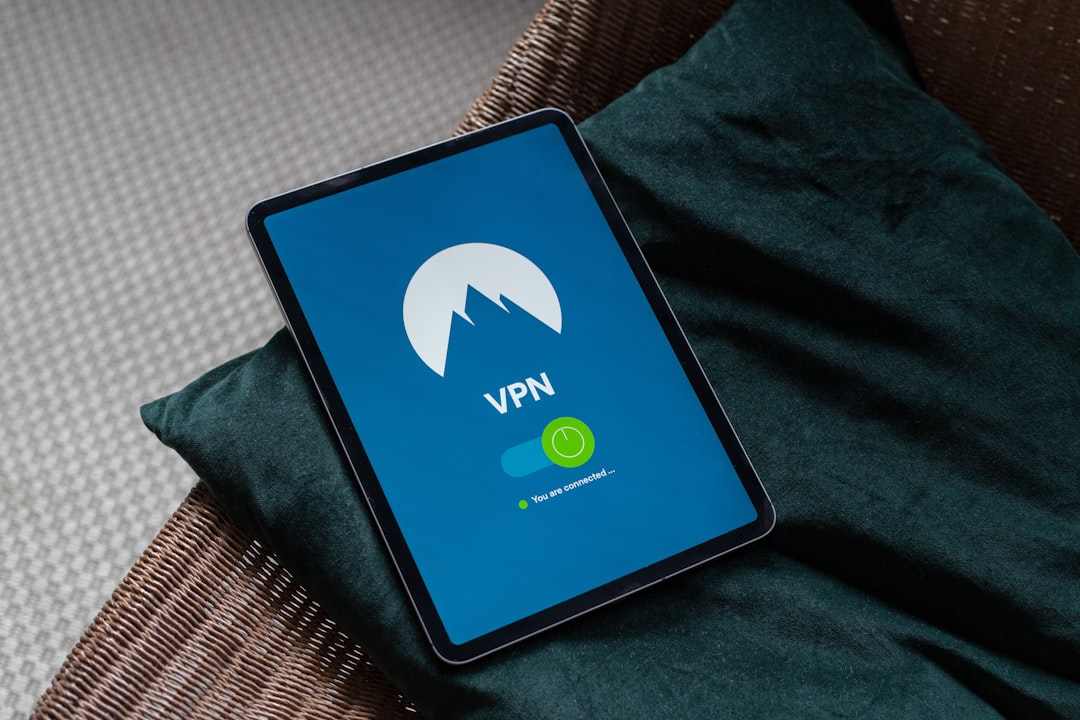
The European Union is calling VPNs "a loophole that needs closing" as part of its push for mandatory age verification across online platforms. Privacy advocates warn this could set a dangerous precedent for internet freedom and create new surveillance infrastructure.This isn't about whether VPNs work - it's about whether governments understand what breaking them would actually mean.According to statements from EU officials, the push to restrict VPN access comes as part of broader efforts to enforce age verification requirements for adult content and social media platforms. The logic goes like this: if platforms are required to verify users' ages, but users can bypass those checks with VPNs, then the regulations don't work.The problem is that VPNs aren't just tools for bypassing geographic restrictions. They're fundamental privacy and security tools used by journalists, activists, businesses, and ordinary citizens to protect their communications from surveillance."Calling VPNs a 'loophole' fundamentally misunderstands what they are," says Eva Galperin, director of cybersecurity at the Electronic Frontier Foundation. "It's like calling encryption a loophole because it prevents eavesdropping. That's the point."The collision between child safety policy and encryption tech is real. Nobody disputes that protecting minors online is important. The question is whether the solution - building infrastructure to identify and track who's accessing what online - creates bigger problems than it solves.Here's what makes this particularly tricky: there's no way to "close the VPN loophole" without either breaking encryption (bad) or requiring VPN providers to log and share user data with authorities (also bad). Both approaches would fundamentally undermine the privacy protections that make VPNs useful in the first place.The EU has a track record of well-intentioned tech regulation that doesn't quite work in practice. GDPR cookie banners, anyone? This feels like another case where policymakers have identified a real problem but proposed a solution that suggests they don't fully understand the technology involved.What would actually closing the "VPN loophole" look like? China and Russia have tried. Both countries require VPN providers to register with authorities, block unauthorized VPN traffic, and hand over user data on request. It's possible. It's just not compatible with democratic values or internet freedom.The irony is that age verification systems themselves are privacy nightmares. Most proposals require users to submit government IDs or biometric data to verify their age - creating massive databases of who's accessing what content. VPNs are one of the few tools people have to push back against that kind of surveillance.There might be better approaches to online safety that don't require breaking encryption or building surveillance infrastructure. Device-level parental controls. Better digital literacy education. Actual enforcement of existing laws against platforms that knowingly target minors.But those solutions require patience and nuance. Calling VPNs a and demanding they be is simpler messaging. It's just not good policy.The has led the world in tech regulation before - sometimes for better, sometimes for worse. This time, they're contemplating a move that would put them in the company of authoritarian regimes that view internet privacy as a threat rather than a right.The technology is impressive. The question is whether anyone needs to break it.
|