
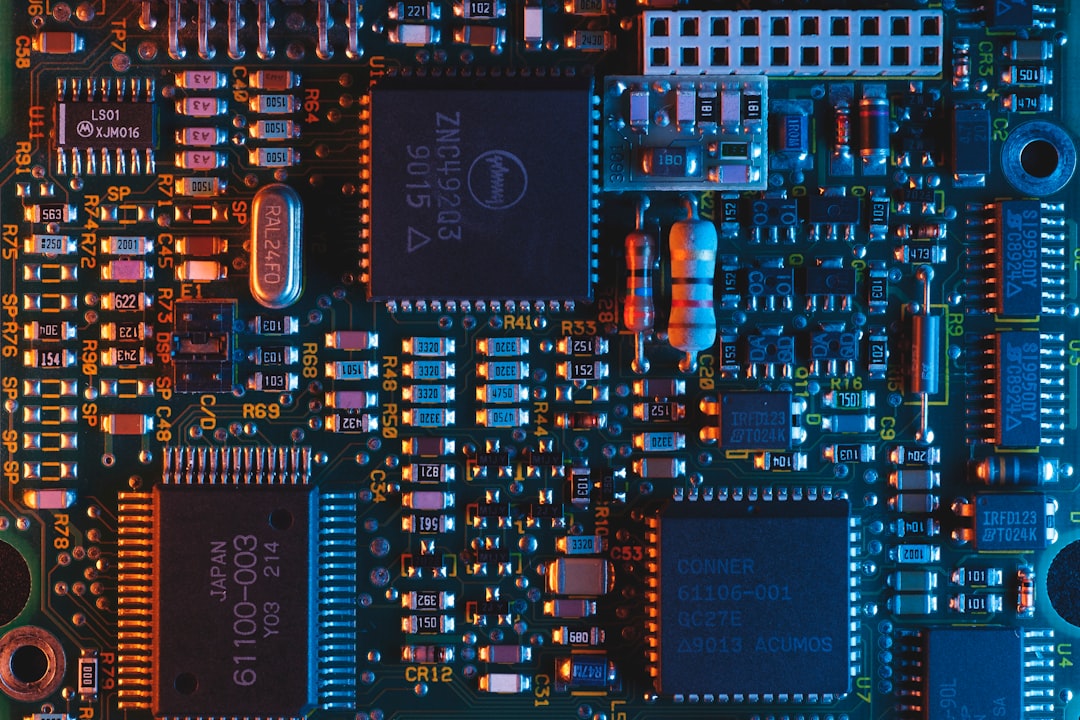
The European Union will need €120 billion to revive local semiconductor production and reduce its dependence on Asia, according to new estimates that expose the massive cost of the bloc's industrial sovereignty ambitions.
The figure represents a dramatic escalation from earlier projections and reveals the true price of competing in the global chip war. Brussels initially thought modest subsidies would lure chipmakers back to Europe. Instead, the continent faces a bill roughly ten times larger than originally estimated - and it still might not be enough.
The European Chips Act, passed with fanfare in 2023, aimed to double Europe's global semiconductor market share to 20% by 2030. That target now looks wildly optimistic without a financial commitment that would dwarf most EU industrial programs.
Here's why reshoring chip production costs so much more than Brussels expected: Taiwan, South Korea, and China have spent decades building integrated supply chains, training specialized workforces, and providing sustained government support. Europe abandoned most of its semiconductor infrastructure in the 1990s and 2000s as production moved to Asia. Rebuilding from scratch means paying premium prices for everything from fabrication equipment to engineering talent.
The EU-speak term is "strategic autonomy" - Brussels jargon for not depending on potential adversaries for critical technology. Translated into plain English: European policymakers watched China threaten Taiwan, saw chip shortages cripple European car production during COVID, and decided they needed their own semiconductor capacity regardless of cost.
But €120 billion is serious money even by EU standards. For comparison, that's more than the bloc's entire annual budget for research and innovation. It's roughly equivalent to what spent on its landmark energy transition fund.