
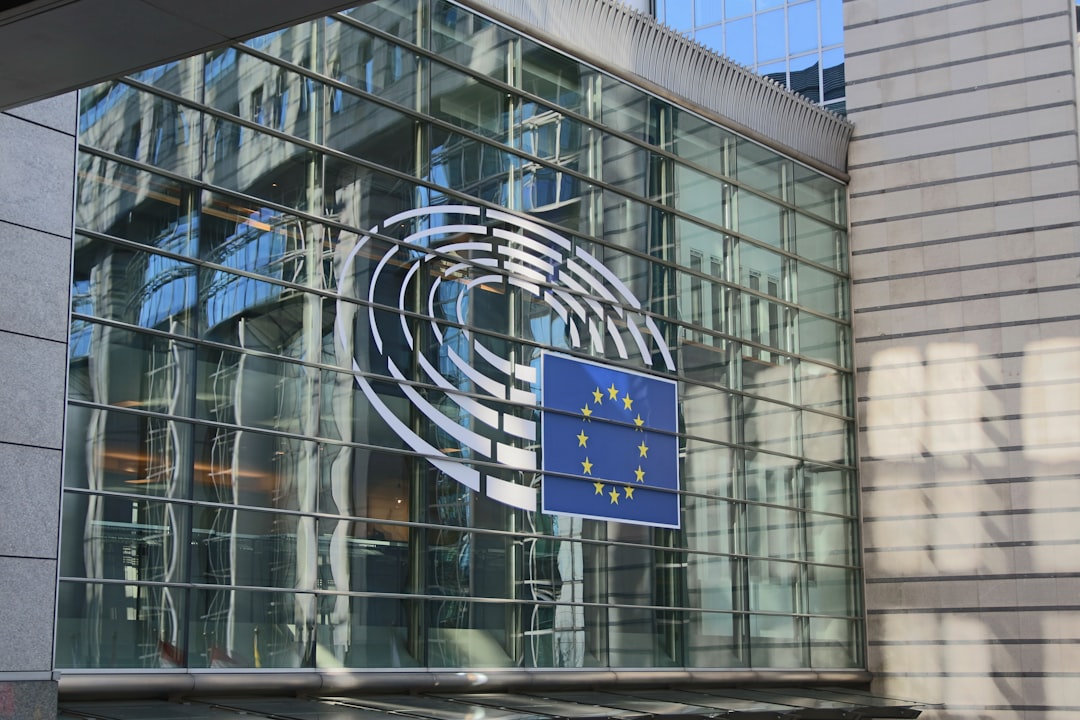
European Commission President Ursula von der Leyen has triggered a severe diplomatic crisis with Ankara after publicly grouping Turkey alongside Russia and China as external threats to European influence, marking the first time an EU commission head has categorized a NATO ally in such stark terms.
Speaking at Die Zeit's 80th-anniversary celebration in Hamburg on April 19, von der Leyen declared: "We must succeed in completing the European continent so that it does not fall under Russian, Turkish, or Chinese influence." The remarks, delivered in the context of accelerating Western Balkans enlargement, framed EU expansion as a geopolitical necessity rather than a values-based exercise.
Ankara's response combined indignation with strategic calculation. Sources close to the Turkish government characterized the EU stance as confirmation that Brussels views Turkey as perpetually external, despite 25 years of candidate status and minimal progress toward accession. The timing proved especially sensitive, as the Nationalist Movement Party (MHP) has recently explored a "Russia-China-Turkey" axis as a counter to Western economic pressure.
To understand today's headlines, we must look at yesterday's decisions. Turkey's relationship with the West has deteriorated steadily since the failed 2016 coup attempt, which President Recep Tayyip Erdoğan blamed partly on Western intelligence failures or tacit support. Ankara subsequently purchased Russian S-400 air defense systems, triggering American sanctions and expulsion from the F-35 program. More recently, has pursued independent foreign policies in , , and the that often contradict NATO positions.