

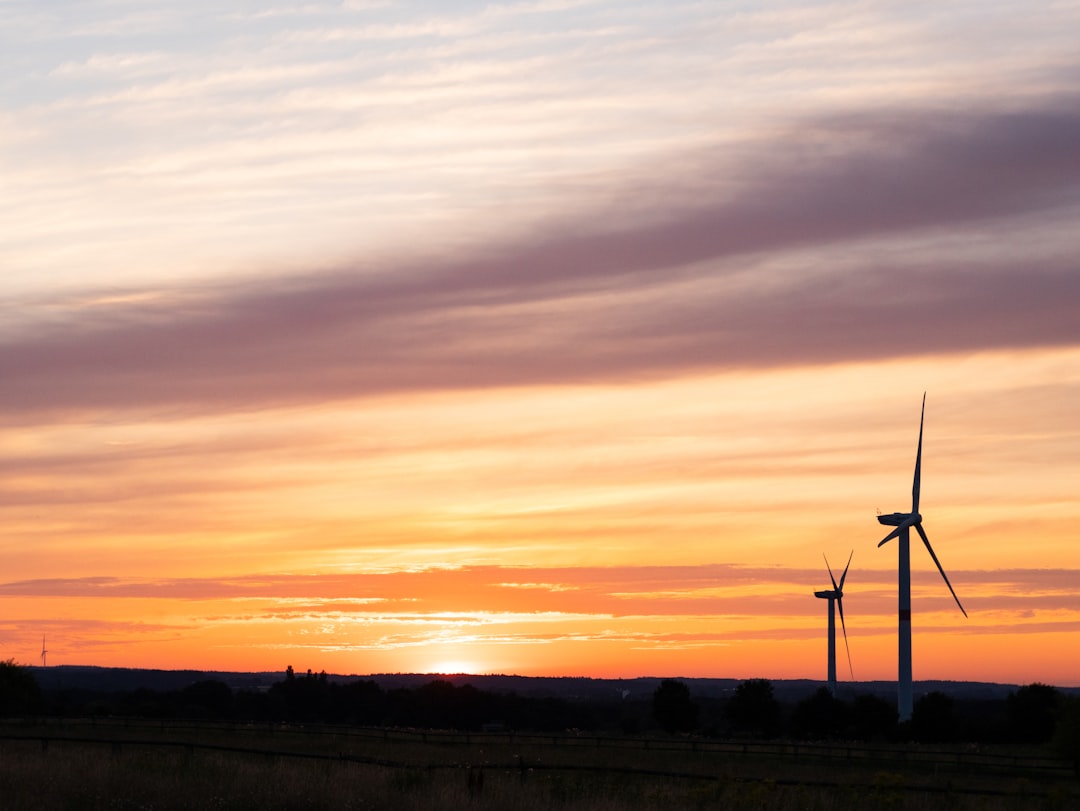
Ethiopia officially inaugurated the Aysha-II Wind Power Project on Saturday, marking another significant step in the country's ambitious renewable energy agenda and its goal to become East Africa's primary energy exporter.
Located in the Somali Region, the wind farm sits on the Aysha plains, one of East Africa's most powerful wind corridors. The facility will generate 467 gigawatt-hours (GWh) annually, providing reliable power to support Ethiopia's growing technology-driven economy.
"This flagship project is a cornerstone of our energy security strategy," Prime Minister Abiy Ahmed said during the inauguration ceremony. "With an annual generation capacity of 467 GWh, Aysha-II delivers the reliable and scalable power infrastructure required for a technology-driven economy."
The project's strategic significance extends beyond domestic energy needs. Its proximity to neighboring countries positions Ethiopia to export surplus power to regional markets, a key component of Abiy's economic vision.
"The strategic geographic advantage of the Aysha plains extends beyond its status as one of East Africa's premier wind corridors," the Prime Minister explained. "Its proximity to neighbouring borders represents a concrete step toward transforming Ethiopia into a central hub for regional energy trade."
The wind farm represents the type of African-led infrastructure development that challenges outdated narratives about the continent's dependence on foreign aid. Ethiopia is financing much of its renewable energy expansion through domestic and regional investment partnerships, not Western development assistance.
The country has positioned itself as a pioneer in renewable energy on the continent, with the Grand Ethiopian Renaissance Dam already generating hydroelectric power and multiple wind and solar projects in various stages of development.
Abiy framed the project within his governing philosophy of "Medemer" (roughly translated as "synergy" or "coming together"), stating the country is "committed to converting Ethiopia's vast natural endowment into a shared resource that physically and economically binds the Horn of Africa together."
The announcement comes as Ethiopia continues to navigate complex regional dynamics, including tensions with neighboring Somalia and ongoing internal challenges in regions like Tigray. Yet the government has maintained its focus on infrastructure development as a pathway to economic growth.
Energy experts note that Ethiopia's renewable energy capacity could transform regional power dynamics. The country sits on some of Africa's richest renewable energy resources, including hydroelectric potential on the Blue Nile and consistent wind patterns in the Rift Valley and eastern plains.
Neighboring countries including Kenya, Djibouti, and Sudan have expressed interest in power purchase agreements, though regional political instability has complicated some negotiations.
54 countries, 2,000 languages, 1.4 billion people. Ethiopia is showing one path forward—building the infrastructure to export solutions, not just resources.



