
Estonia's defense industry is experiencing explosive growth, with projected sales revenue reaching $842 million in 2025—a staggering 347% increase since 2021—as the small Baltic nation leverages technological innovation to strengthen NATO's eastern flank.
The surge reflects Estonia's strategic response to heightened security concerns following Russia's full-scale invasion of Ukraine. With 138 defense companies now operating in the country of just 1.3 million people, Estonian manufacturers are proving that small nations can lead rather than simply react to regional security threats.
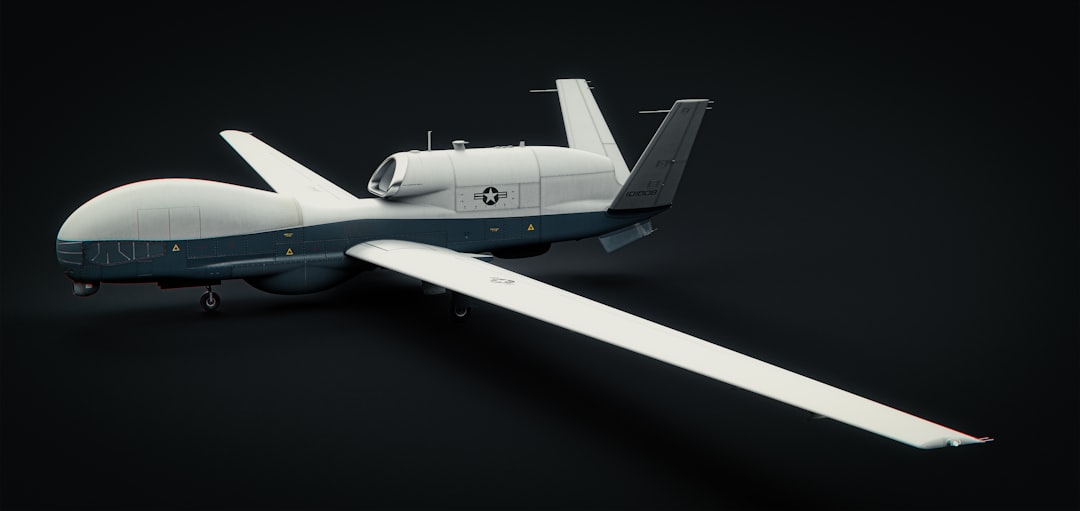
Drone manufacturers anchor the expansion. Threod Systems, an Estonian unmanned aerial vehicle producer, recorded a 1,100% sales increase over five years, growing from 50 employees to nearly 200. The company recently secured a $6.6 million UK contract for drone launchers and has supplied 100-200 drones to Ukraine, operating in 27 countries worldwide.
"The battlefield has fundamentally changed," said a Threod Systems representative. The company is developing fourth-generation unmanned aerial systems with laser targeting capabilities, responding to lessons learned from the Ukraine conflict.
Milrem Robotics, majority-owned by the UAE's EDGE Group, secured orders for more than 150 unmanned ground vehicles—its THeMIS platform—for Ukraine, with 15 units already operational since 2022. The tracked robotic vehicles can carry weapons, sensors, or supply modules, demonstrating Estonian expertise in autonomous ground systems.
The defense boom extends beyond drones. Frankenburg Technologies produces anti-drone missiles, DefSec Intel Solutions develops AI-powered surveillance systems, Marduk Technologies creates optical detection equipment, and Rantelon manufactures electronic warfare systems—all technologies directly relevant to modern NATO defense requirements.
In the Baltics, as on NATO's eastern flank, geography and history create an acute awareness of security realities. dedicates —far exceeding NATO's 3.5% target—with a 2024 budget of approximately $1.5 billion, representing a 107% increase over the past decade.