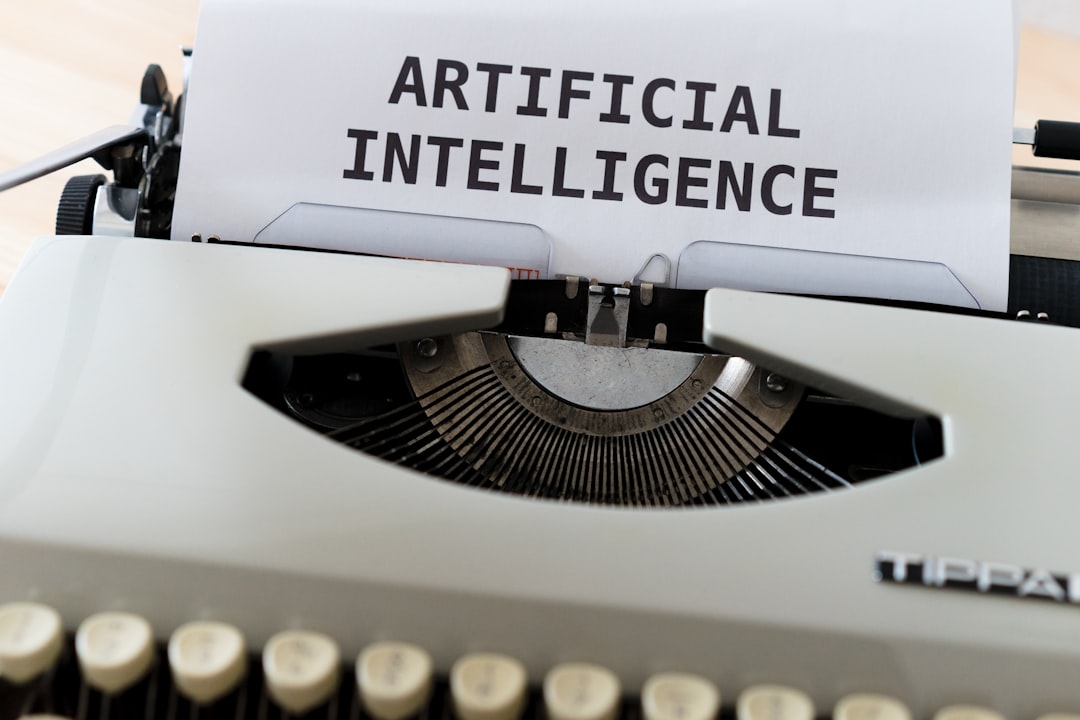
A publication just crossed a line we didn't even know needed drawing. Esquire Singapore published a completely fabricated, AI-generated interview with One Piece actor Mackenyu Maeda—because he couldn't make their scheduled session.
Let me repeat that: instead of rescheduling, postponing, or god forbid not publishing, they had AI make up an entire conversation and presented it as real. The Gamer broke the story after inconsistencies in the "interview" raised red flags.
This isn't just bad journalism—it's the kind of ethical violation that gets people fired and publications shut down. Fabricating quotes is Journalism 101's biggest cardinal sin. We learned this in week one. Week one.
But here's what makes it even worse: Esquire Singapore apparently saw nothing wrong with this. They didn't hide it particularly well, and when caught, their response was essentially "yeah, we did that." No shame. No apparent understanding of why this might be a problem.
Welcome to the future, where publications treat AI like a deadline-saving miracle instead of a tool that requires human oversight and ethical guardrails. Mackenyu couldn't do the interview? That's called being an actor with a schedule. You reschedule. Or you don't run the piece. These are options that have existed since the invention of magazines.
But in 2026, apparently the solution is: let the robot make something up.
This scandal breaks at a particularly bad moment for entertainment journalism. We're already fighting for credibility in an era of press junket fluff, pay-for-play "interviews," and celebrity-controlled media. AI-generated fabrications are exactly what we don't need.
What gets me is the laziness. Mackenyu is a working actor—you could've done literally anything else. Email Q&A. Statement from his publicist. A straightforward profile using existing materials. Instead, Esquire Singapore chose deception.
The publication has since taken down the article, issued a half-hearted apology, and blamed "editorial oversight." Cool. That makes it so much better. "We only accidentally published completely fabricated content" is not the defense they think it is.
Here's the thing about AI in journalism: it has legitimate uses. Research assistance. Draft generation. Data analysis. But the moment you let it create "quotes" from real people without their input, you've stopped doing journalism and started writing fiction.
Mackenyu and his representatives have reportedly been notified, though no legal action has been announced. Hearst, which publishes Esquire internationally, has remained silent on whether the Singaporean edition will face consequences.
This should be a career-ending scandal for everyone involved. Will it be? In 2026? I'm not optimistic. But it should be. Because if this becomes normalized—if publications can just AI-generate interviews when celebrities don't cooperate—we've lost something fundamental.
Trust is the only currency journalism has. Esquire Singapore just counterfeited theirs.