The EPA's announcement allowing year-round E15 fuel sales is being marketed as environmental policy. Don't buy it. This is energy security policy dressed in green clothing, and the numbers tell the real story.
E15—gasoline blended with 15% ethanol—was previously restricted during summer months due to smog concerns. Now, with oil prices at $116 and Gulf supply threatened, the EPA is waiving those restrictions. The official line emphasizes renewable fuel benefits. The actual driver is reducing dependence on petroleum imports during a supply crisis.
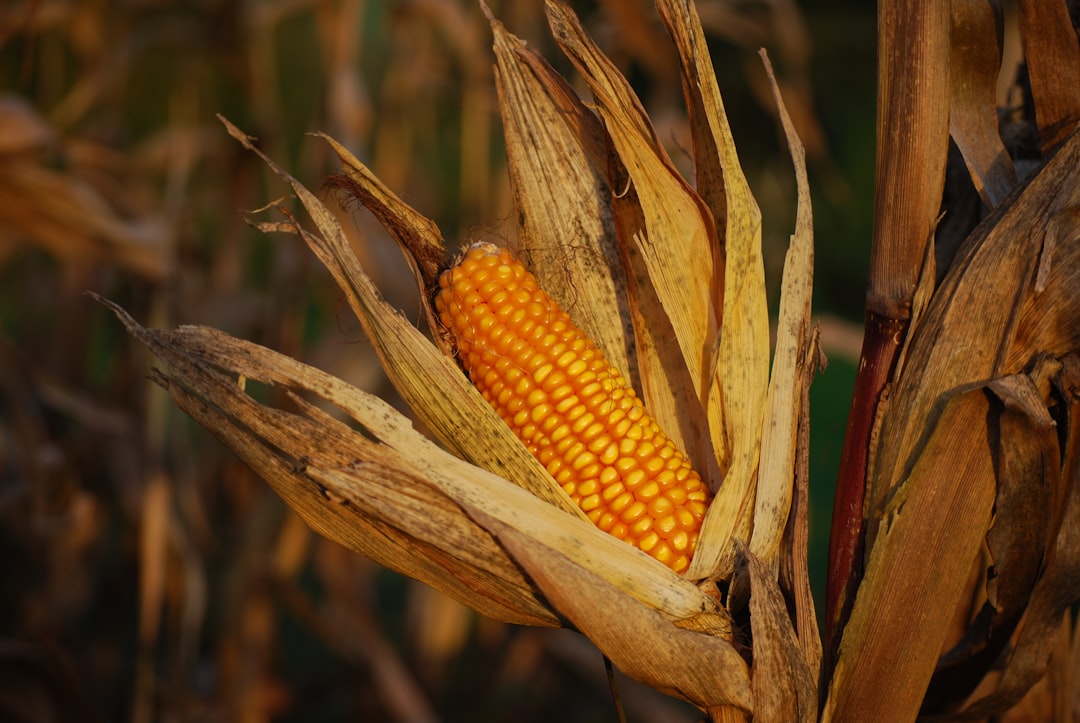
Corn farmers are cheering. Every percentage point increase in ethanol blending translates to roughly 140 million additional bushels of corn demand annually. For Iowa and Nebraska producers, this represents $700-800 million in additional revenue at current corn prices. Follow the money.
Oil refiners, conversely, are facing margin compression. Refining economics depend on selling high-octane gasoline at premium prices. Ethanol is an octane booster—it competes directly with their product mix. Valero and Marathon Petroleum lobbied hard against this change and lost.
For consumers, the impact is mixed. E15 typically sells for 5-10 cents less per gallon than regular E10 gasoline. But it also delivers roughly 3-4% lower fuel economy. Do the math: the savings largely disappear. You're trading petroleum dependence for corn dependence.
The broader strategic question is whether biofuels improve energy security or simply shift vulnerability. U.S. corn production is concentrated in the Midwest and highly weather-dependent. A major drought could simultaneously spike food and fuel prices—a policy risk that makes Middle East supply disruptions look manageable by comparison.
This is supply hedge policy wearing green camouflage. The timing—announced as oil markets panic—makes the real motivation obvious. Energy security matters, but let's not pretend this is about emissions reduction.