A leading Emirati business figure has issued a forceful rejection of American calls for Gulf Cooperation Council states to join military operations, signaling potential shifts in regional security relationships that have anchored Western defense posture in the Middle East for decades.
Khalaf Al Habtoor, chairman of the Al Habtoor Group and one of the UAE's most prominent businessmen, published a lengthy statement on social media responding to comments by U.S. Senator Lindsey Graham, who called on GCC countries to enter the conflict following Iranian attacks on the region.
"We will not enter this war to serve the interests of others, nor will we sacrifice our sons in a conflict that could have been avoided through diplomacy and political solutions," Al Habtoor wrote. "We value the lives of our sons, and we do not treat their souls as 'collateral damage' as some do."
The statement marks a rare public challenge to American security policy from within the Gulf business elite, which has traditionally maintained close economic and defense ties with Washington. Al Habtoor's conglomerate spans hospitality, automotive, real estate, and publishing sectors across the region.
His comments came after Graham suggested Gulf states should join U.S. military operations, noting they are "also under attack" from Iranian drones and missiles. The South Carolina senator framed military cooperation as part of the alliance relationship between Washington and Gulf capitals.
Al Habtoor rejected this framing entirely. "We know full well why we are under attack, and we also know who dragged the entire region into this dangerous escalation without consulting those he calls his 'allies' in the region," he wrote, adding that "hasty American decisions are what embroiled the region in a war whose peoples were not party to its decision-making."
The businessman took particular issue with Graham's characterization of arms sales as American protection, calling it a "massive trade and industry built on these deals" rather than a charitable service. He noted the United States itself is now purchasing weapons from Ukraine to supply other conflicts.
"We do not need your protection," Al Habtoor wrote directly to the senator. "All we want from you is to keep your hands off us."
The statement also highlighted Graham's remarks about Iranian and Venezuelan oil reserves, which the senator said could create a "new Middle East" with American financial benefits if regimes change. "Only then does the picture become clear," Al Habtoor wrote. "And only then do we understand why they want this war."
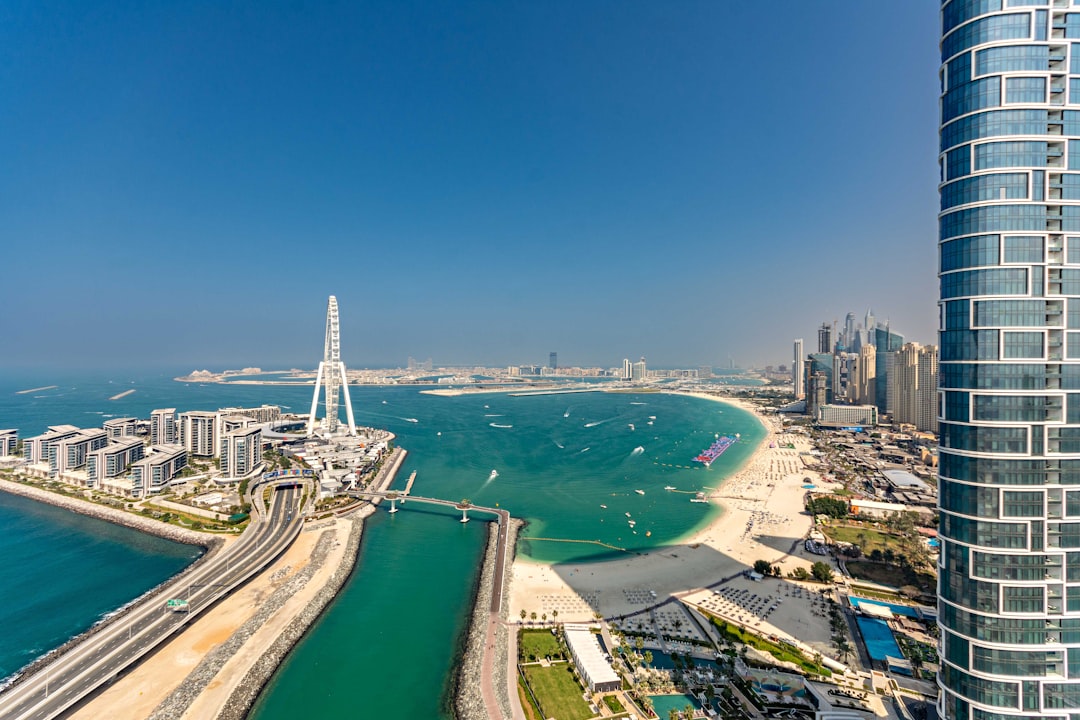
In the Emirates, as across the Gulf, ambitious visions drive rapid transformation—turning desert into global business hubs. That transformation has been built on strategic relationships with Washington, including defense partnerships and military base arrangements. Al Habtoor's public challenge suggests those arrangements may face renewed scrutiny as Gulf states calculate the costs of regional conflict.
The UAE has spent billions of dollars intercepting drones and missiles in recent days, deploying advanced air defense systems purchased largely from the United States. Business operations across Dubai and Abu Dhabi have been disrupted, raising questions about the economic cost of hosting American military facilities that may draw attacks.
"Nothing in this world is more precious than the lives of our sons, and no alliance with any country in the world is worth risking these lives," Al Habtoor concluded. "We want peace and stability. We will not accept being forced down the path of war, nor will we accept being fuel for others' battles."