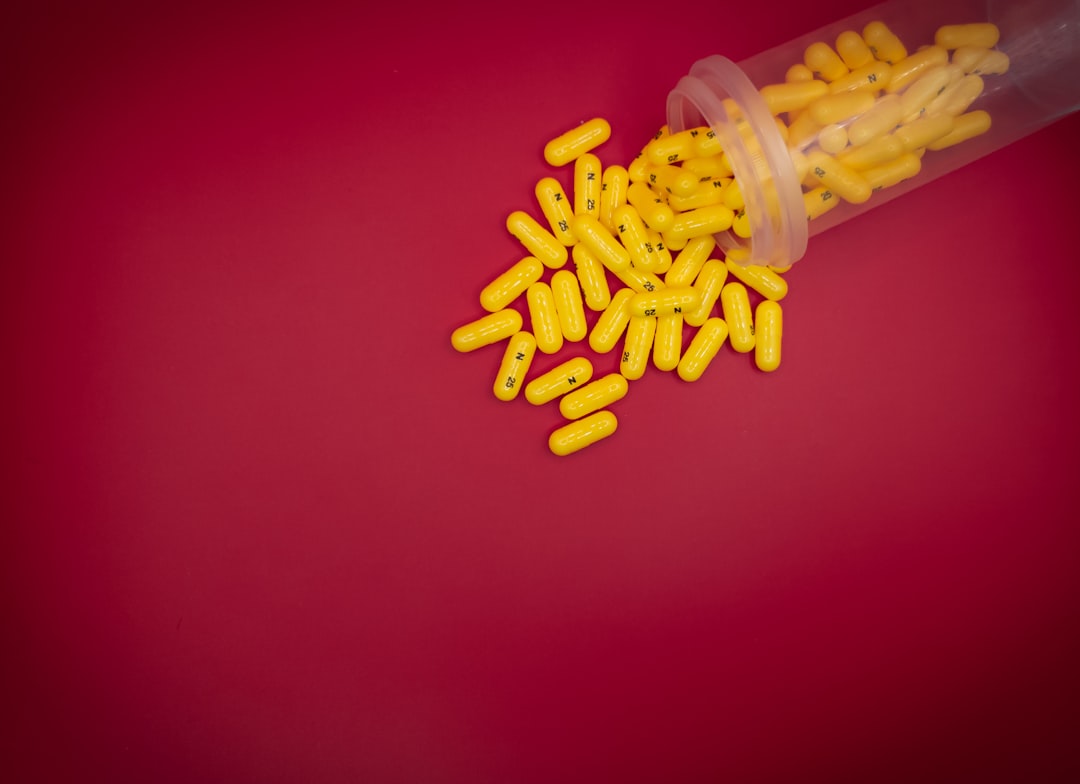
Eli Lilly's weight-loss pill just won FDA approval, and if you've been following the Ozempic craze, you already know what this means: another pharmaceutical giant is cashing in on America's obesity crisis.
The real question is whether this actually makes weight-loss drugs more accessible, or just expands Big Pharma's profit margins.
What's New
Lilly's pill is a significant development because most current obesity treatments like Wegovy and Ozempic (both made by Novo Nordisk) require weekly injections. A pill is easier to take, less intimidating, and potentially cheaper to manufacture.
The drug targets the same GLP-1 pathway as the injectables, which helps regulate appetite and blood sugar. Clinical trials showed similar weight-loss results to existing treatments, with patients losing an average of 15-20% of their body weight over 12-18 months.
The Pricing Problem
Here's where things get murky. Lilly hasn't announced pricing yet, but Wegovy costs around $1,300 per month without insurance. Ozempic is similar. Even if Lilly prices its pill slightly lower to gain market share, we're still talking about a thousand bucks a month.
Insurance coverage is the real battlefield. Most insurers still treat obesity drugs as "lifestyle" medications rather than medical necessities, which means many patients pay out of pocket. Lilly will need to convince insurers (and Medicare) that this pill deserves coverage, or it'll remain out of reach for the people who need it most.
The Novo Nordisk Showdown
This approval sets up a direct collision between Lilly and Novo Nordisk, which has dominated the weight-loss drug market since Wegovy's launch. Novo's CEO has already hinted at developing its own oral version, but Lilly just beat them to the punch.
For Wall Street, this is a multi-billion-dollar fight. Analysts estimate the obesity drug market could hit $100 billion annually by 2030. Both companies are racing to grab as much of that pie as possible.