

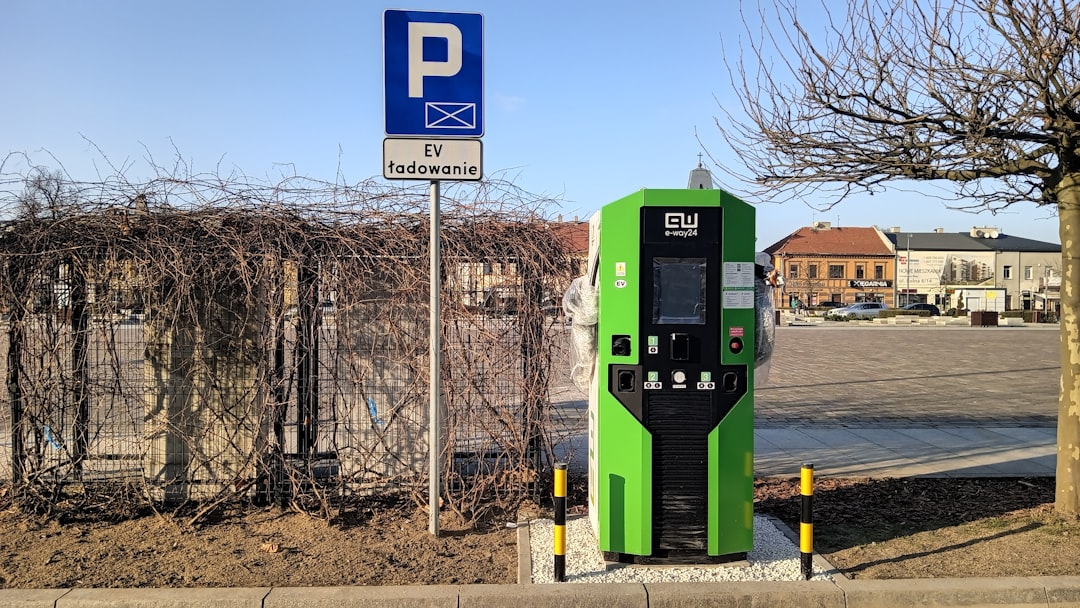
Electric vehicles outsold gasoline-powered cars in Europe for the first time in December 2025, marking a historic inflection point in the continent's automotive transition and demonstrating that the shift to zero-emission transport has moved from policy aspiration to market reality.
The milestone, reported by InsideEVs, shows EVs capturing 308,955 sales across the EU, UK, and EFTA nations in December, compared to 254,449 for traditional gasoline vehicles - a reversal that would have been unthinkable even three years ago.
The Numbers Behind the Shift
The December figures represent more than a seasonal blip. Electric vehicle sales surged over 50% year-on-year, while gasoline car registrations collapsed by nearly 18%. For the full year 2025, EVs reached 2.6 million units (up 29.7% from 2024), while gas cars fell to 3.5 million (down 18.9%).
Hybrids still lead overall with 4.6 million sales, but the trajectory is clear: pure combustion engines are in terminal decline, following the same path diesel took after the 2015 Volkswagen emissions scandal. Diesel sales fell another 24% in 2025, dropping below 1 million units.
The geographic scope matters. This isn't just the EU - it includes Norway, where EVs have dominated for years thanks to aggressive tax incentives, but also the United Kingdom, which left the EU's regulatory framework but maintained similar emissions standards, and Switzerland, which adopted EU vehicle rules despite not being a member state.
Brussels Regulation Meets Market Reality
This didn't happen by accident. The European Commission's CO₂ emissions standards - which fine automakers €95 for every gram above targets, multiplied by every car sold - have forced manufacturers to flood the market with affordable EVs. Companies like Renault, Volkswagen, and Stellantis are losing money on electric models to avoid even larger penalties on their combustion fleets.
The result: cars like the redesigned Renault 5, starting around €33,000, are now competitive with equivalent gasoline models. France and Germany have added purchase subsidies (though Berlin abruptly ended its program in 2023, causing a market shock). Spain and Italy maintain incentives for lower-income buyers.
But regulation alone doesn't explain this. Charging infrastructure has reached critical mass in Western Europe - over 630,000 public charging points across the EU, though distribution remains uneven. Netherlands has one charger per 20 EVs; Poland has one per 200.
The Infrastructure Challenge
And here's where Brussels' grand plan hits political reality: building charging stations requires local permits, grid capacity, and political will. Eastern European member states have lagged dramatically, creating a "charging desert" that makes cross-border EV travel difficult.
The European Commission has mandated charging points every 60 kilometers on major highways by 2025 under the Alternative Fuels Infrastructure Regulation (AFIR - yes, Brussels loves acronyms). Compliance has been spotty. Romania, Bulgaria, and Greece are years behind targets.
Grid capacity presents another bottleneck. If 30% of European cars go electric by 2030 - the current trajectory - electricity demand will surge. Germany's grid is already strained after shutting nuclear plants. France has nuclear capacity but aging infrastructure. Spain leads on renewables but lacks storage.
Winners and Losers
Chinese manufacturers are the quiet victors. BYD, NIO, and MG (owned by China's SAIC) have captured significant European market share with cheaper EVs. European automakers, protected by tariffs on Chinese imports, are struggling to compete on price while maintaining profitability.
The European Commission, led by Ursula von der Leyen, is caught between conflicting goals: accelerate EV adoption (climate policy), protect European manufacturers (industrial policy), and avoid trade wars with China (economic policy). Something has to give.
Jobs are another concern. Electric vehicles require 30% fewer parts and less assembly labor than combustion cars. Germany's powerful auto unions have negotiated transition agreements, but smaller suppliers across Italy, Spain, and Central Europe face existential threats. Brussels has promised a "Just Transition Fund" to retrain workers. Implementation has been slow.
What This Means Beyond Europe
Brussels decides more than you think - and this single market shift just changed the global automotive industry. When Europe's regulations force manufacturers to build affordable EVs, those models get exported worldwide. Africa, Latin America, and Southeast Asia will soon have access to vehicles developed for European compliance.
American automakers are watching nervously. Detroit has invested billions in EVs, but consumer adoption in the United States lags Europe significantly. If European manufacturers perfect affordable electric platforms while American companies remain combustion-focused, the competitive balance could shift dramatically.
For climate advocates, this is proof that regulation works. Emissions from passenger vehicles - Europe's second-largest source of CO₂ after power generation - are finally declining. If the trend continues, transport could become the continent's decarbonization success story.
But success has complications. Electricity generation must decarbonize faster to realize climate benefits. Battery production remains carbon-intensive and reliant on China. Lithium and cobalt supply chains raise human rights concerns. And the ultimate question: can Europe's grid handle 100 million electric cars by 2035?
One thing is certain - the shift is accelerating. And Brussels' regulations, for better or worse, are driving it.



