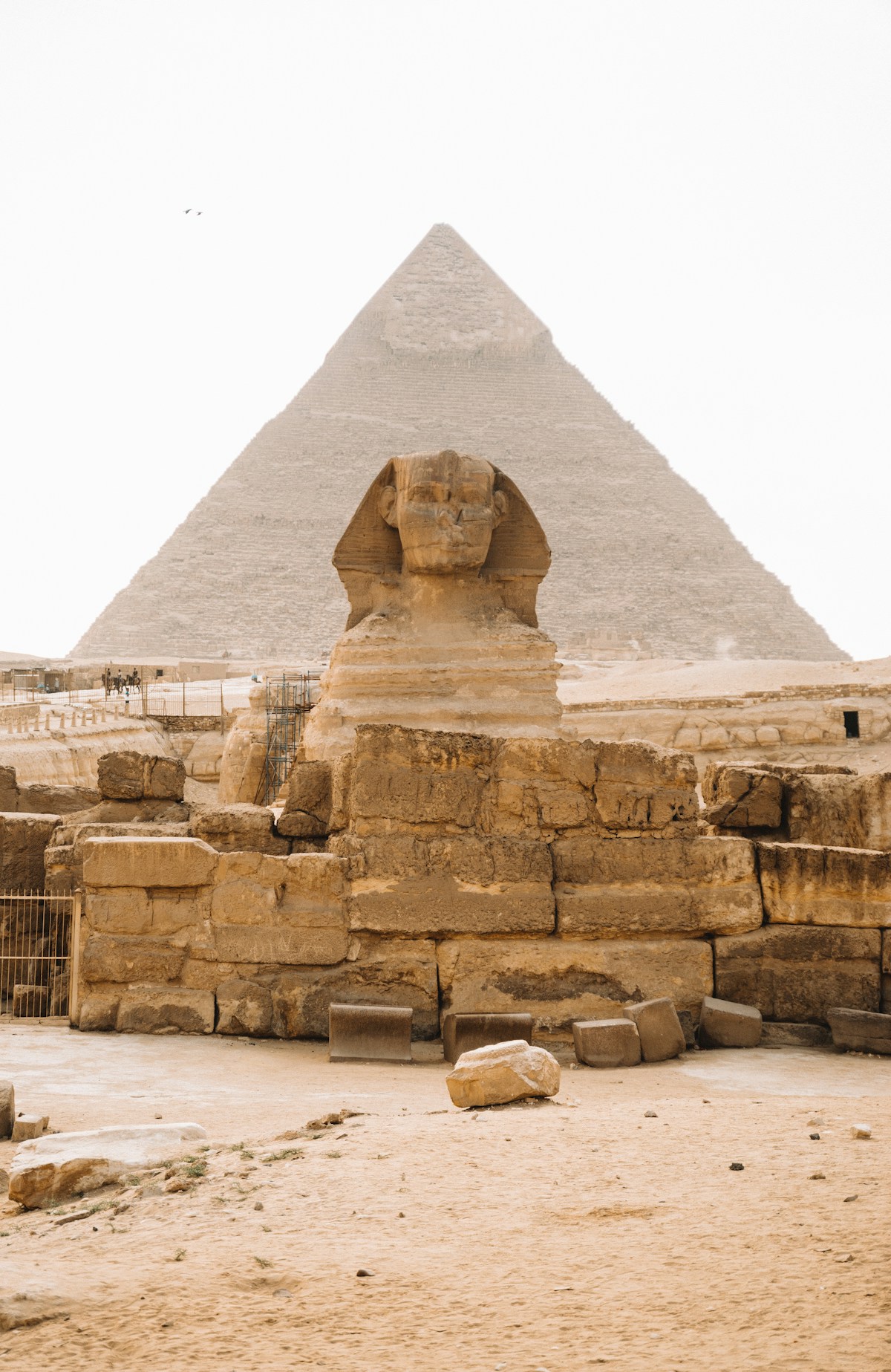
A frequent visitor to Egypt who travels to the Middle East and North Africa region for work has compiled survival tactics for one of the world's most scam-heavy tourist destinations.
The advice, shared on r/travel, is blunt: Visiting Egypt's incredible historical sites requires defensive travel strategies that minimize interaction with locals trying to extract money from tourists.
"I see a lot of people getting scammed / annoyed on here," the traveler wrote before listing specific tactics developed through repeated visits.
The Egypt Scam Landscape
Egypt hosts some of humanity's greatest archaeological treasures—the Pyramids of Giza, the temples of Luxor, ancient tombs in the Valley of the Kings. But persistent tourist harassment and scamming have created a reputation problem that drives many visitors to declare they'll never return.
The gap between Egypt's tourism potential and current reality is enormous. The country could be a sustainable tourism powerhouse. Instead, aggressive scamming creates negative experiences that spread through reviews and word-of-mouth.
Tested Strategies That Work
The experienced traveler's advice focuses on minimizing scam opportunities:
Minimal interaction with locals - "There are unavoidable situations like airport security which are super annoying but otherwise don't talk to locals / answer people who approach you (unless they are military etc.). If people offer you something (camel rides) just ignore and move on."
This sounds harsh, but reflects a reality: In major tourist areas, most unsolicited interaction aims to extract money through overcharging, fake guide services, or outright scams.
Use Uber exclusively - "If they ask for extra or cash, report and get new one." Uber creates price transparency and accountability that traditional taxis lack. Drivers who attempt off-platform payment scams can be reported.
Stick to card-accepting establishments - "Visa Mastercard will kick merchants with high fraud / chargeback rates off the platform." Businesses that accept cards have accountability mechanisms. Cash transactions create dispute resolution problems.
People will scam you but not rob you - Understanding this distinction helps calibrate appropriate caution. Tourist-targeting crimes in Egypt predominantly involve overcharging and deception, not physical theft or violence.
Stay in newer areas - "Stay in new town / airport. Breathe in less pollution this way. St Regis, JW Marriott, Renaissance, Waldorf, Le Meridien. Also less traffic." Newer developments have better infrastructure and fewer opportunistic scammers.
Don't line up politely - "People don't usually line up. If you see an opening, just go. Otherwise you'll be in line for a while for people cut." Cultural norms around queuing differ dramatically from Western expectations.
Food expectations - "For a country with rich culture, food is mid. Best local restaurants are generally Lebanese." Managing culinary expectations prevents disappointment.
Why Egypt Remains Worth Visiting
Despite the challenges, Egypt's archaeological sites are genuinely unparalleled. Standing before the Great Pyramid, exploring Karnak Temple, or witnessing the temples of Abu Simbel provides experiences unavailable elsewhere on Earth.
The question isn't whether Egypt is worth visiting—it's whether you can structure your visit to minimize the frustrations that drive many tourists to swear they'll never return.
The Bigger Picture
The need for such defensive strategies reveals systemic problems in Egypt's tourism industry. Other countries with major archaeological attractions—Greece, Italy, Peru, Cambodia—have tourist hassles but not to the degree that requires recommending minimal local interaction.
Egypt's government has made efforts to address tourism problems, including police crackdowns on harassment in major sites. But cultural change happens slowly, and aggressive tactics remain common enough that practical travelers need defensive strategies.
For now, visiting Egypt requires accepting the trade-off: Experience unmatched ancient wonders, but prepare for constant navigation of scam attempts and tourist-targeting behavior.
As the experienced traveler concluded: "Overall, Egypt has great sites; follow these tips for a great experience." The sites really are that extraordinary—they just require more defensive planning than almost any other major destination.