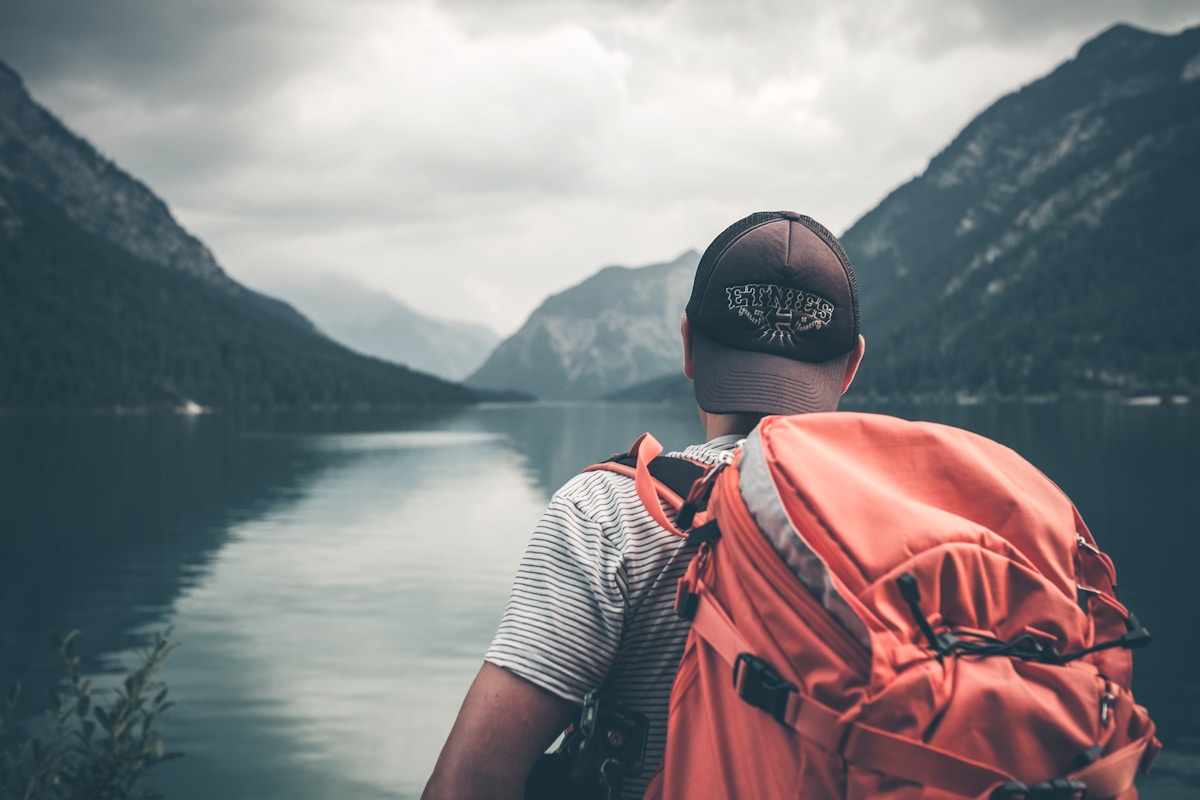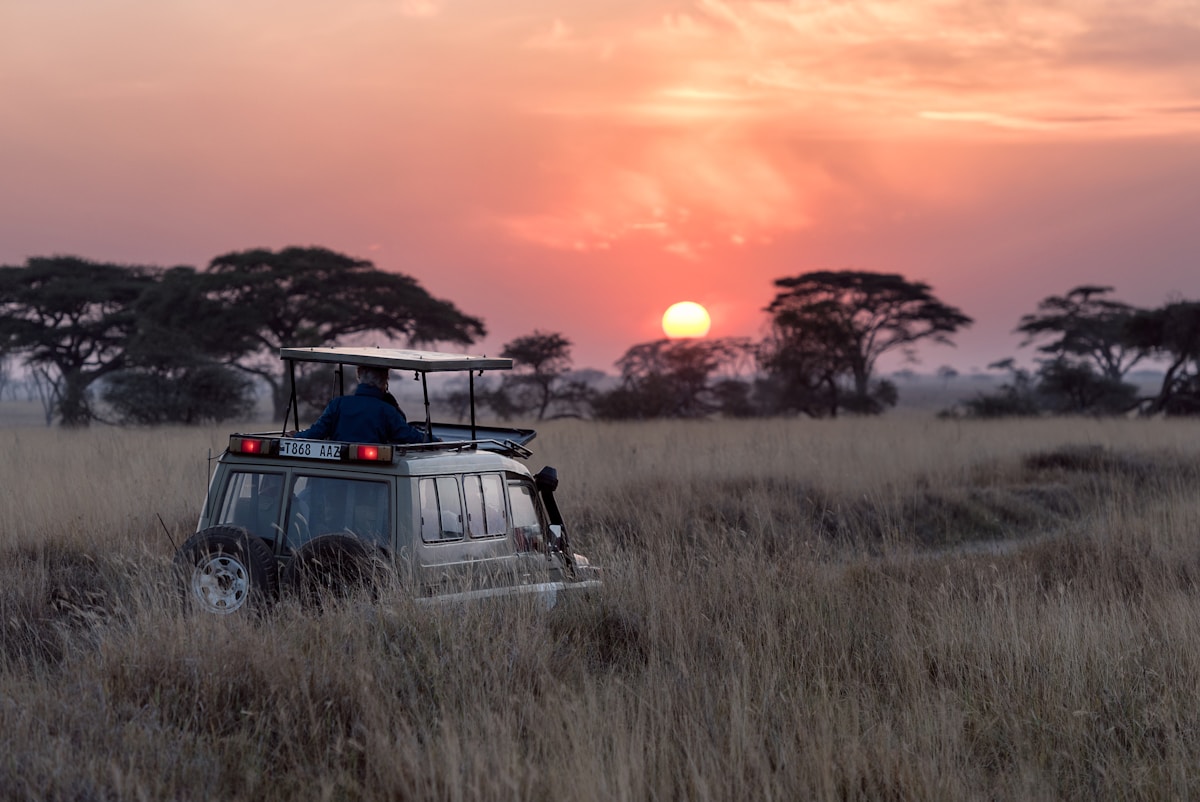
Safari is a bucket-list dream for backpackers circling the globe. But when you start pricing Kenya and Tanzania safaris, the numbers tell a different story: this isn't shoestring travel territory.
A backpacker on r/backpacking asked the question directly: "Is an East Africa safari realistic for backpackers or does it always become expensive?"
The honest answer? It's expensive. The real question is whether you can make it work on a backpacker budget—and whether the compromises required kill the experience.
Why Safari Is Expensive
Unlike hostels in Southeast Asia or street food in Mexico, safari has fixed costs that don't scale down:
Park entry fees. Serengeti National Park charges $70+ USD per day. Maasai Mara is similar. These fees are non-negotiable and set by governments.
Transportation. Wildlife viewing requires 4x4 vehicles, fuel, and drivers who know where animals congregate. You can't DIY this on a scooter.
Accommodation. Staying inside parks (where the best wildlife viewing happens at dawn/dusk) means lodges or campsites with park fees included. Budget options exist, but they're still pricier than mainland hostels.
Guides. Most parks require guides. Even when optional, going without dramatically reduces your chances of seeing animals.
Distance. Parks are remote. Getting there requires time and money.
A 3-day budget safari in Tanzania typically starts around $400-600 USD. That's more than many backpackers spend in an entire week elsewhere in Africa.
The Budget Safari Options
Cheap safaris exist—but "cheap" is relative, and you get what you pay for.
Group camping safaris are the budget option: shared transport, camping instead of lodges, basic meals. Prices can drop to $150-200 USD per day if you join a larger group.
But corners get cut: • Less time in parks (arrive late, leave early to save park fees) • Older, slower vehicles with worse sightlines • Less experienced guides who may miss animals • Budget campsites farther from prime viewing areas • Larger groups (10-15 people) competing for window seats
The question isn't whether budget safaris are possible—it's whether they deliver the experience you're paying for.
When Cheap Becomes Worthless
Several travelers in the thread noted a harsh reality: below a certain price point, the safari experience suffers so much it's not worth doing.
If you're spending 10+ hours in a cramped van to see distant specks that might be lions, all while your guide rushes through the park to minimize fees, are you really experiencing safari? Or are you just checking a box?
One commenter wrote: "I went budget and regretted it. Spent more time driving between parks than actually viewing wildlife. If I'd known, I would have saved longer and done it properly."
Another: "The mid-range safari I did was worth every penny. The budget option my friend took looked miserable—bad food, broken-down vehicle, guide who didn't speak much English."
The Splurge-Worthy Middle Ground
For backpackers, the sweet spot seems to be mid-range group safaris: not luxury lodges with champagne, but reputable operators with decent vehicles, knowledgeable guides, and proper time in parks.
Expect to pay $300-450 USD per day. For a 3-day safari, that's $900-1350 USD total.
Yes, that's expensive. But it's probably the minimum spend for an experience worth having.
Ways to reduce costs:
Travel during shoulder season. Prices drop outside peak wildlife migration months.
Book locally. Operators in Arusha (Tanzania) and Nairobi (Kenya) offer better rates than international agencies. Shop around and negotiate.
Join a group tour. Solo travelers pay more. Joining an existing group cuts per-person costs.
Focus on one park. Instead of rushing through three parks in three days, spend more time in one (like Serengeti or Ngorongoro Crater).
Skip luxury add-ons. Hot air balloon rides and private game drives are amazing—but optional.
Alternatives to Classic Safari
If $900+ is genuinely out of reach, consider alternatives:
Self-drive in South Africa. Kruger National Park allows self-drive vehicles, drastically cutting costs. You won't see as much wildlife without a guide, but it's doable on a backpacker budget.
Walking safaris. Some parks in Zambia and Zimbabwe offer cheaper walking safaris with armed guides. Different experience, lower cost.
Community conservancies. Kenya has community-run conservancies with lower fees than national parks and fewer tourists.
Uganda/Rwanda gorilla trekking. Expensive ($700+ for permits) but a single-day experience rather than multi-day safari.
Volunteering. Some conservation projects offer accommodation/food in exchange for work, with wildlife viewing as a side benefit.
Is Safari Worth It for Backpackers?
Here's the hard truth: safari doesn't fit the backpacker budget model.
Backpacking works when daily costs are low: $30-50 USD per day for accommodation, food, and transport. Safari costs 10x that.
But that doesn't mean you shouldn't do it. It means you need to plan differently:
• Budget safari as a splurge separate from daily backpacking costs • Save specifically for it over months • Accept that 3-4 days of safari might cost more than 3-4 weeks elsewhere in Africa • Prioritize quality over quantity—one great safari beats three mediocre ones
As one traveler put it: "I spent six months backpacking Africa on $20/day. Then I spent $1200 on four days of safari. Worth every penny. Some experiences don't scale to backpacker budgets, and that's okay."
The Bottom Line
Can budget backpackers afford East Africa safari? If they save for it, yes.
Should they choose the cheapest option available? Probably not.
Safari is one of those rare travel experiences where spending more genuinely improves the outcome. Skimping too much risks ruining the experience you traveled halfway around the world to have.
If you can't afford a mid-range safari right now, it's worth waiting and saving rather than settling for a budget disappointment.
The best travel isn't about the destination—it's about what you learn along the way. Sometimes what you learn is that not every dream fits a backpacker budget—and that's a reason to save smarter, not give up entirely.