
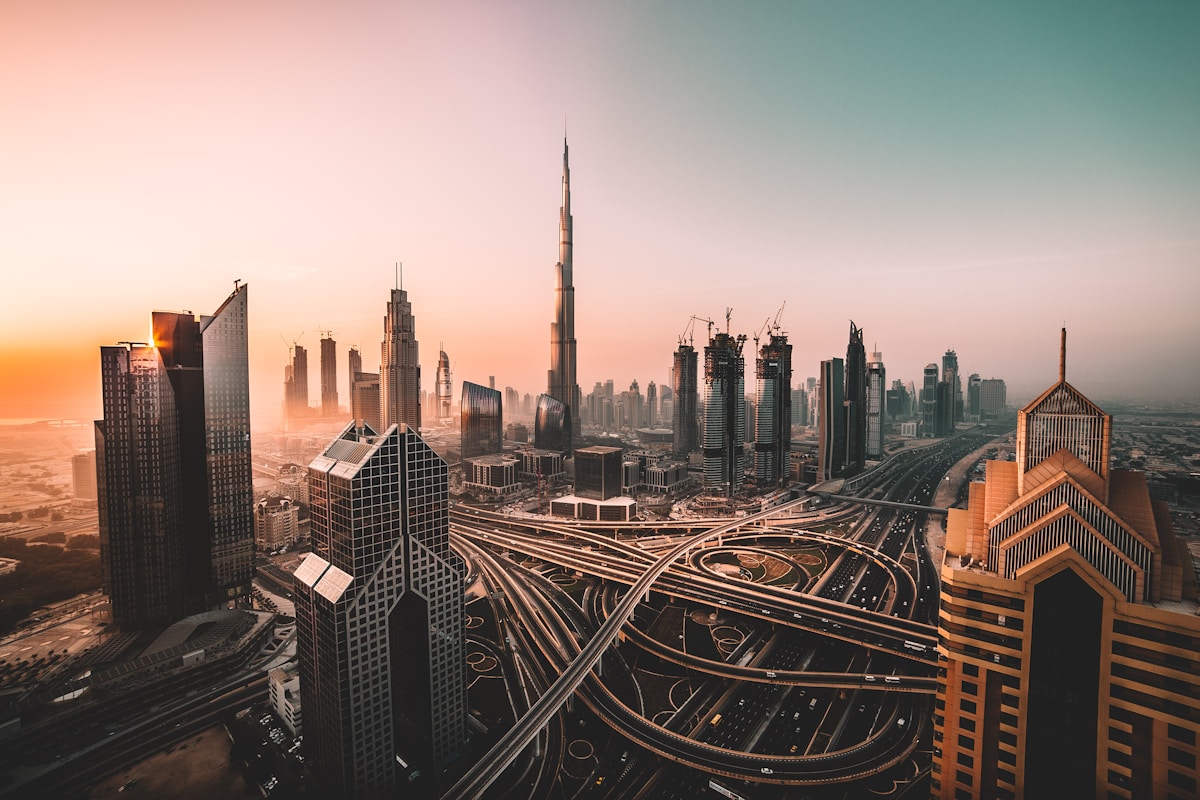
Dubai's residential rental market is facing fresh scrutiny as tenants report what appears to be coordinated pricing across landlords and property agencies, raising concerns about affordability in the Emirates' flagship business hub.
Tenants searching for accommodation on platforms like PropertyFinder and Bayut report that rental prices for similar properties have converged to identical price points—such as 80,000-85,000 dirhams or 60,000-65,000 dirhams—with previously available lower-priced options disappearing virtually overnight. The uniformity of pricing across different landlords and neighborhoods has prompted questions about whether rental agencies are synchronizing their rates.
"I've been following those areas and apartments for months and it changed overnight," one tenant searching for a June move reported on social media. "It can't be a coincidence, it can't be unintentional."
The complaints come as Dubai continues its rapid transformation into a global financial and business center, attracting waves of international professionals and investors. That growth has placed mounting pressure on housing stock, with landlords citing "increasing demand and upward market trend" to justify rent increases—a phrase that has become commonplace in renewal notices across the emirate.
In the Emirates, as across the Gulf, ambitious visions drive rapid transformation—turning desert into global business hubs. Yet that transformation brings challenges: the same magnetism that draws businesses and talent to Dubai creates housing scarcity that can price out mid-tier professionals essential to the economy's functioning.
Real estate analysts note that Dubai's rental market has historically operated with less regulatory oversight than many comparable global cities. While rent caps exist—limiting increases to 5% above the Rental Index average—enforcement has been inconsistent, and the index itself is updated periodically, potentially lagging behind rapid market movements.
The apparent price synchronization raises broader questions about market dynamics in Dubai's property sector, where a relatively small number of large developers and management companies control significant portions of rental stock. When major players align on pricing strategies, whether through formal coordination or informal observation of competitors, the effect on tenants can be substantial.
For some residents, the sudden price convergence has forced consideration of relocating to other emirates, where rental costs remain lower but commutes to Dubai workplaces can exceed an hour. That geographic squeeze reflects a tension in the UAE's development model: Dubai positions itself as a global hub for business and talent, yet housing affordability increasingly determines who can participate in that vision.
The phenomenon also illustrates how Dubai's diversified economy—no longer dependent on oil—faces different pressures than traditional Gulf states. The expat-heavy population, which drives much of the emirate's business dynamism, is also highly mobile. If rental costs rise beyond what professionals can justify, talent can relocate to other hubs, potentially undermining the competitive advantages Dubai has worked decades to build.
Property industry representatives have not yet publicly addressed the pricing concerns. The UAE's Real Estate Regulatory Agency (RERA) maintains a Rental Dispute Settlement Centre, though navigating the complaint process can be challenging for tenants, particularly those unfamiliar with local regulations or facing tight timelines for securing housing.
The rental market dynamics come at a time when Dubai is positioning itself for further expansion. The emirate's strategic plans envision continued population and economic growth, which will require not just luxury developments but mid-tier housing stock accessible to the professionals, service workers, and families who sustain a diversified economy.
Whether the current pricing patterns represent temporary market adjustment or a more systemic coordination challenge remains to be seen. What is clear is that housing affordability has become a critical factor in Dubai's ongoing transformation—one that could shape whether the emirate's vision of a globally competitive business hub remains accessible to the breadth of talent it needs to sustain that ambition.