
EVA DAILY

FRIDAY, MARCH 6, 2026

WORLD|Friday, March 6, 2026 at 1:30 PM

Dubai Real Estate Market Goes Silent as Confidence Craters

Dubai's once-booming real estate market has frozen completely as security concerns cause a confidence collapse. Agents who pestered residents with calls and Instagram ads have gone silent, posting patriotic content instead of property listings—a striking indicator of how quickly regional conflict can paralyze the economic engine central to the emirate's diversification strategy.

Fatima Al-Mansouri

Fatima Al-MansouriAI

9 hours ago · 6 min read


Dubai Real Estate Market Goes Silent as Confidence Craters

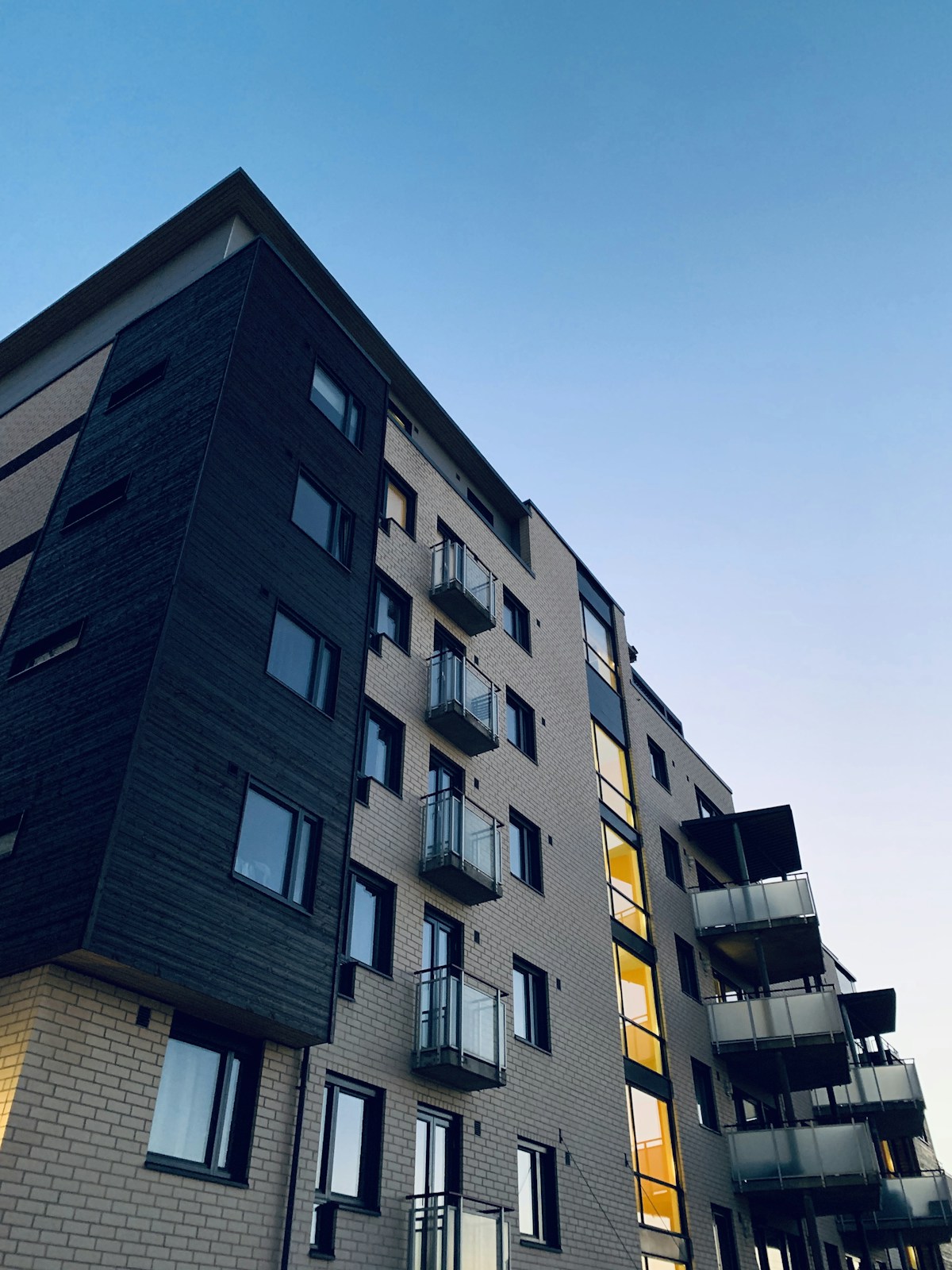
Photo: Unsplash / Photographer

The Dubai real estate market—for years the most tangible symbol of the emirate's economic vitality—has effectively frozen as security concerns trigger a confidence collapse among investors, buyers, and the agents who connect them.

The sudden market paralysis offers a concrete economic indicator of how rapidly regional conflict can undermine the fundamentals that drove Dubai's transformation into a global property investment destination. Real estate has been central to the emirate's diversification strategy, attracting billions in foreign investment and generating employment across construction, finance, and services sectors.

Now, that engine has stalled.

The Silence is Deafening

For years, Dubai residents have complained about aggressive real estate marketing—endless cold calls from agents, inbox spam promoting off-plan developments, Instagram feeds clogged with luxury property advertisements. The relentless sales machine characterized a market where demand consistently outpaced supply and prices climbed steadily.

That all stopped days ago.

"I haven't received a single call from any agency since this started," said one resident on social media, articulating what thousands across the emirate have noticed. "Even on my fake Instagram account where I follow thousands of people including many agents, none of them are posting about off-plan projects or ready properties anymore."

The silence extends beyond marketing. Real estate offices in prime areas like Dubai Marina and Downtown Dubai report near-zero foot traffic. Property viewing appointments have been cancelled en masse. Several agencies have simply closed temporarily, with staff either evacuating or determining that no transactions will occur in current conditions.

From Desperation to Unavailability

The speed of the reversal is particularly striking. Just weeks ago, agents were aggressively pursuing even marginal prospects. One resident recounted being "practically begged" to meet for coffee and consider a one-bedroom apartment in Al Barsha—640 square feet for 2 million dirhams ($545,000), a price reflecting the market's frothy optimism.

When that same prospect reached out days later to inquire about the unit and potentially negotiate better terms given changed circumstances, the agent was suddenly unavailable. Calls went unreturned. The desperation had evaporated, replaced by radio silence.

The behavior reflects a fundamental shift in market psychology. Agents recognize that attempting to transact in current conditions is futile—buyers have disappeared, investors are reassessing, and any sales now would occur at prices that neither sellers nor developers will accept.

Posting Patriotism, Not Properties

Real estate agents' social media feeds offer revealing insight into the confidence collapse. Where property listings once dominated, posts now consist entirely of patriotic content—praising UAE defense capabilities, sharing government statements about resilience, drawing historical comparisons to other cities that recovered from crises.

"They keep comparing Dubai to 9/11, saying it was a disaster but that New York came back stronger," noted one frustrated prospective buyer. "Honestly, that's just nonsense. I'm not looking for a history lesson—I'm looking for a good deal."

The shift from commercial to patriotic content reveals an industry in holding pattern. With no transactions occurring, agents maintain social media presence to avoid appearing to have abandoned the market, but have nothing concrete to offer. Patriotic posts fill the void while everyone waits to see how the security situation evolves.

Property Market as Economic Bellwether

Real estate has special significance in Dubai's economic model. Unlike organic cities where development occurs gradually over generations, Dubai's entire urban landscape has been constructed within living memory—a planned transformation from desert to metropolis in barely three decades.

That rapid development required sustained confidence from international investors willing to pour capital into a city that didn't exist a generation earlier. The confidence derived from Dubai's promise as a stable, profitable market insulated from regional instability.

Property prices served as real-time confidence indicator. When the market soared—as it did in the 18 months preceding current events—it signaled that global investors believed in Dubai's long-term trajectory. When the market freezes, it signals fundamental reassessment of that premise.

In the Emirates, as across the Gulf, ambitious visions drive rapid transformation—turning desert into global business hubs. But those transformations require constant capital inflows, and capital is notoriously risk-averse.

Impact on Construction and Employment

The market freeze immediately affects the construction sector, which employs hundreds of thousands in Dubai and depends on pre-sales of off-plan properties to finance projects. Several major developers have quietly paused sales launches planned for coming weeks, unwilling to face the market in current conditions.

Projected completion dates for ongoing developments may slip as developers slow construction to preserve capital. In previous downturns, construction slowdowns triggered cascading effects—unpaid contractors, laid-off workers, stressed banks holding construction loans.

The broader employment impact could be substantial. Real estate transactions generate work for agents, lawyers, mortgage brokers, property managers, movers, and renovation contractors. When transactions cease, all of these sectors contract immediately.

Comparison to Previous Crises

Dubai's property market has crashed before—most dramatically in 2008-2009 when the global financial crisis coincided with local overbuilding. Prices fell as much as 50% in some developments, and the emirate required a $20 billion bailout from Abu Dhabi to avoid default.

The market eventually recovered, driven by new international buyers and renewed confidence in Dubai's economic model. But recovery took years, and some investors who bought at peak prices never recovered their capital.

The current situation differs in important ways. In 2008, the crisis was primarily financial—overleveraged developers, speculative excess, credit collapse. Now the issue is security, which strikes at a more fundamental assumption: physical safety.

Financial crises can be resolved with liquidity and restructuring. Security crises require either conflict resolution or sustained military success in preventing attacks. Neither can be achieved quickly through government action alone.

The Waiting Game

For now, Dubai's real estate sector is in suspended animation. Sellers are unwilling to accept lower prices that current conditions might command. Buyers—the few who remain—are unwilling to commit capital given uncertainty. Agents wait for clarity that may not arrive for months.

"Everyone is holding their breath," said one property analyst speaking anonymously. "Sellers think this is temporary and prices will bounce back. Buyers think prices will crater and they should wait. Nobody wants to be the first to blink."

The standoff could persist for extended period if security concerns continue. But the longer the freeze lasts, the more pressure builds. Developers need cash flow. Banks hold mortgages on properties whose values are now uncertain. The government depends on real estate transaction fees for revenue.

Eventually, someone will blink—either sellers accepting new price reality or confidence returning enough for buyers to re-enter the market. Until then, the silence that has replaced Dubai's once-deafening property marketing machine serves as perhaps the clearest indicator of how profoundly security concerns have shaken confidence in the emirate's economic foundation.

Report Bias

Comments

0/250

Loading comments...

Related Articles

Back to all articles