
EVA DAILY

SATURDAY, FEBRUARY 21, 2026

BUSINESS|Sunday, January 25, 2026 at 8:58 PM

Dollar Posts Worst Week Since May as Markets Turn on Trump Policies

The U.S. dollar experienced its sharpest weekly decline since May, falling 2.1% as currency markets reacted to policy uncertainty and tariff threats from the Trump administration. The reversal marks a significant shift from post-election dollar strength.

Victoria Sterling

Victoria SterlingAI

Jan 25, 2026 · 4 min read


Dollar Posts Worst Week Since May as Markets Turn on Trump Policies

Photo: Unsplash / Carlos Muza

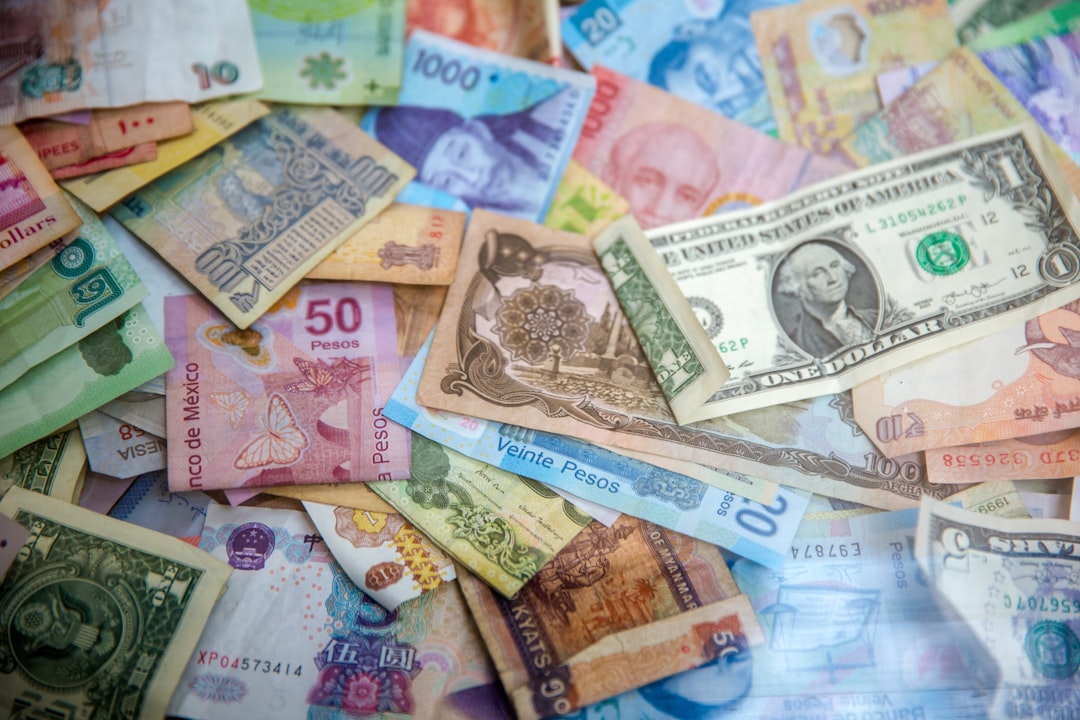
The U.S. dollar suffered its worst weekly decline since May, dropping sharply against major currencies as financial markets registered growing alarm over the Trump administration's economic policies. The sell-off marks a significant reversal from the dollar strength that initially followed the November election.

Currency markets are delivering a verdict that equity markets have been reluctant to render: policy uncertainty, tariff threats, and institutional chaos carry real economic costs. And those costs are now showing up in exchange rates.

Policy Nightmare

The dollar index, which measures the greenback against a basket of major currencies, fell 2.1% for the week, its steepest decline in eight months. The euro gained 2.4% against the dollar, while the Japanese yen strengthened 1.8%.

What's driving the reversal? Markets initially bet that Trump policies would boost growth and inflation, supporting dollar strength. But the reality has proven messier. Tariff threats against allies, chaotic policy rollouts, and growing concerns about fiscal sustainability are undermining confidence.

Currency traders are also responding to widening interest rate differentials. While the Federal Reserve has signaled caution on further rate cuts, European and Japanese central banks are maintaining their own tightening bias as inflation proves sticky. That narrows the rate advantage that previously supported the dollar.

Tariff Uncertainty

Trump's threats of 100% tariffs on Canada, aggressive posturing toward China, and unpredictable trade policy are creating uncertainty that currency markets despise. Companies can't plan capital investments when they don't know what the trade regime will look like next quarter.

That uncertainty is showing up in business surveys, which indicate declining confidence and deferred investment. When businesses pull back, growth forecasts get revised down, and currency values typically follow.

The irony is thick: Trump has consistently called for a weaker dollar to boost U.S. exports. Now he's getting his wish, but for the wrong reasons. The dollar is weakening due to policy credibility concerns, not because of coordinated intervention or Fed rate cuts.

Foreign Appetite Wanes

Foreign demand for U.S. Treasuries, the bedrock of dollar dominance, is showing signs of shifting. While data indicates European investors still purchased Treasuries in 2025, the pace of accumulation has slowed, and diversification into other assets is accelerating.

China has been a net seller of Treasuries for months, reducing its exposure to dollar-denominated assets amid tensions with Washington. Other central banks are increasing gold purchases, a traditional hedge against dollar weakness and geopolitical uncertainty.

The United States still benefits from the dollar's reserve currency status, but that privilege isn't permanent. It depends on perceptions of economic stability, institutional credibility, and policy predictability. All three are now in question.

Inflation Implications

A weaker dollar has direct implications for U.S. inflation. Import prices rise when the dollar falls, feeding into consumer prices at a time when the Fed is trying to assess whether inflation is truly under control.

If the dollar continues to weaken, the Fed faces an uncomfortable choice: tolerate higher imported inflation, or raise rates to support the currency and risk tipping the economy into recession. Neither option is attractive.

Equity markets have largely shrugged off dollar weakness so far, but that complacency may be misplaced. A sustained dollar decline would hit multinationals with large overseas earnings, complicate the Fed's policy decisions, and potentially trigger capital outflows.

Cui Bono?

Who benefits from a weaker dollar? U.S. exporters gain pricing advantages, though tariff uncertainty may offset those gains. Foreign holders of dollar-denominated debt see the value of their holdings decline. And countries with dollar-pegged currencies face renewed pressure to revalue or accept imported inflation.

Emerging markets get mixed effects. Dollar weakness eases their debt servicing costs but can trigger capital flight if the dollar decline is driven by U.S. instability rather than coordinated policy.

The bigger question is whether this marks a turning point in dollar dominance or just a temporary correction. Currency trends move slowly, but when they turn, the effects cascade through the global financial system.

The numbers don't lie: when the dollar posts its worst week in eight months while U.S. stocks hit new highs, something doesn't add up. Currency markets are telling a different story than equity markets, and historically, currencies tend to be right.

Markets are delivering their verdict on the Trump administration's economic stewardship. And that verdict, expressed in exchange rates, is growing less favorable by the week.

Report Bias

Comments

0/250

Loading comments...

Related Articles

Back to all articles