The next time you buy a movie ticket, consider this: the federal government is quietly trying to make sure that experience still exists.
Bloomberg reported this week that the Justice Department has opened a probe into the proposed sale of Warner Bros. Discovery, with particular attention to what the transaction would mean for the theatrical exhibition business. It is a consequential investigation, and understanding why requires a brief detour into how movie distribution actually works.
When a studio makes a film and a theater chain shows it, there is a negotiated split of ticket revenue between them. That relationship is adversarial by nature, but it is also symbiotic. Studios need theaters to create the cultural event that drives downstream revenue - streaming, home video, merchandise, sequels. Theaters need studio product to fill their screens. The moment one side of that equation gains too much leverage over the other, the relationship curdles.
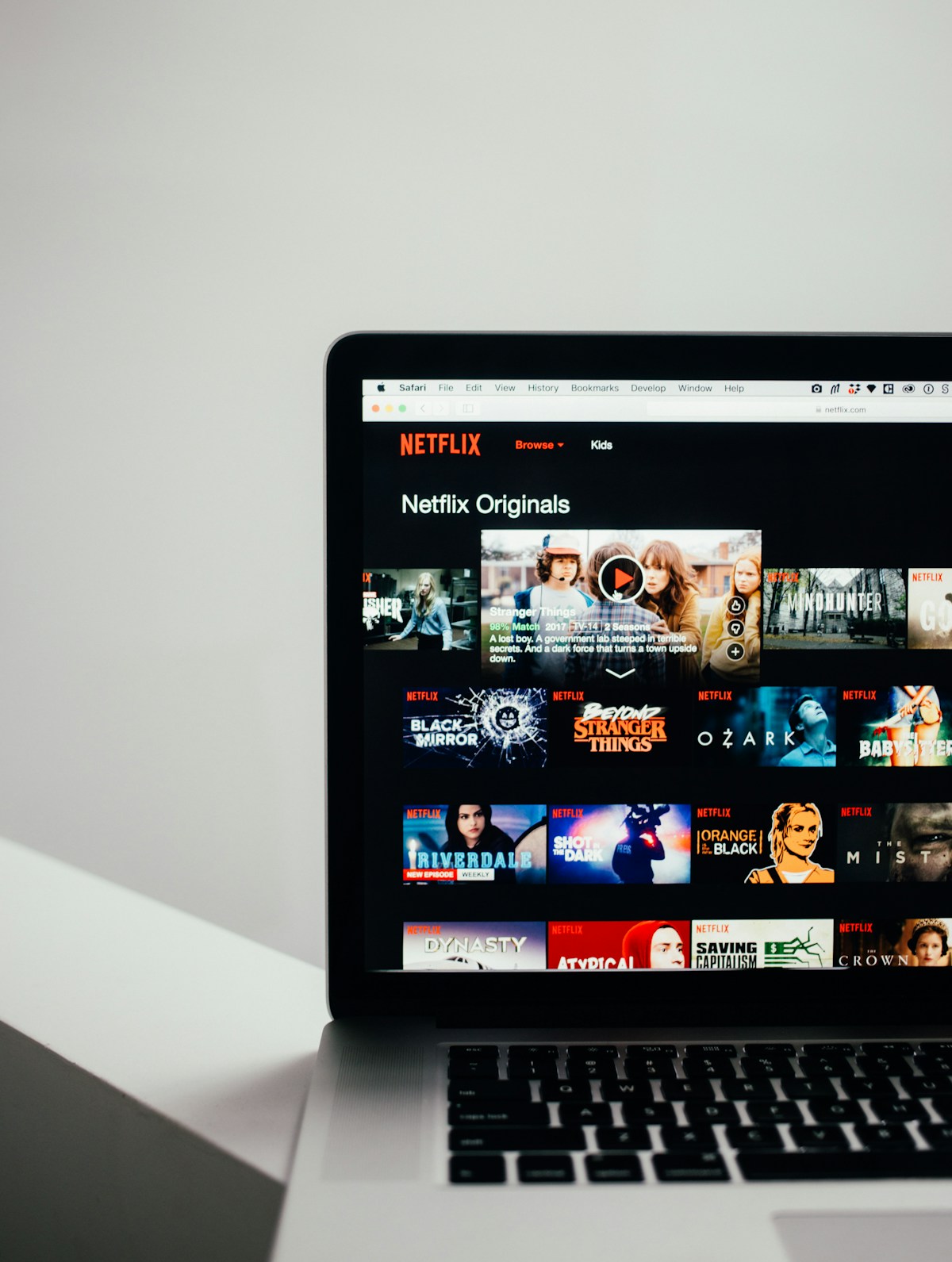
The concern animating the DOJ investigation is vertical integration: what happens when a company that makes movies, distributes movies, and streams movies becomes large enough to dictate terms to the venues that show them? Warner Bros. Discovery is already one of the largest studios in the world. Depending on who acquires it - and on what terms - the resulting entity could have enough market power to significantly disadvantage independent theater chains, force unfavorable revenue splits, or accelerate the theatrical window's collapse by dumping films onto streaming faster than the market can sustain.
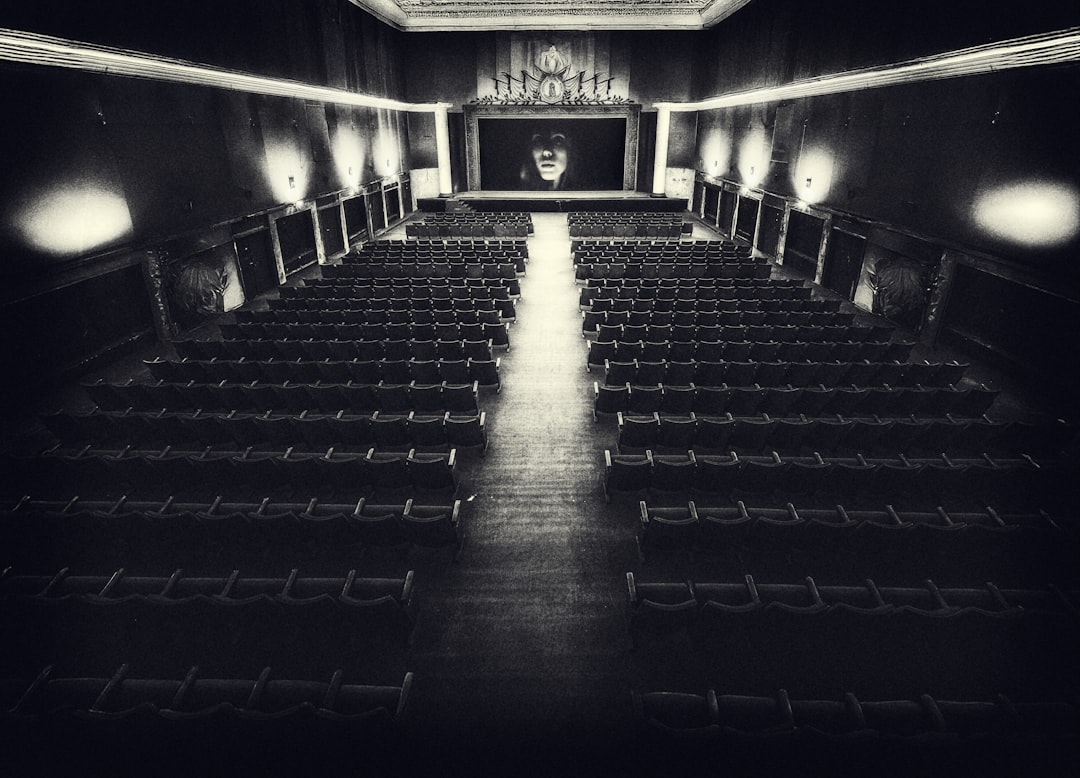
This matters to you, the person who paid $18 for a ticket to a film in an actual building with other humans, because the health of theatrical exhibition depends on a functioning ecosystem of mid-budget films alongside tentpoles. If every studio consolidation makes it slightly less economically rational to show anything except a franchise blockbuster, eventually that's all theaters will show - and eventually, theaters themselves become harder to justify.
Federal investigators are specifically examining whether the sale could harm US theaters' competitive position. That is antitrust language for: we are worried about consolidation crushing the weaker party in a dependent relationship.
For the entertainment industry, the timing is sharp. Theatrical attendance is still recovering from pandemic disruption. The streaming wars have reshuffled the economics of windowing. And studios are under pressure from investors who would happily see theatrical die and streaming pay the bills. The DOJ probe is, in that context, a rare institutional intervention on the side of the movie house.