A contractor working with the Department of Government Efficiency allegedly walked out of Social Security Administration offices with personal data of 500 million Americans on a thumb drive - and reportedly expected a pardon if caught. This represents one of the largest potential data breaches in US government history.
According to reports, the contractor was part of DOGE's efforts to streamline government operations when they allegedly accessed and copied vast troves of sensitive personal information. The breach highlights catastrophic security failures that can occur when government tech infrastructure gets treated like a startup acquisition.
Low-Tech Crime, High-Tech Consequences
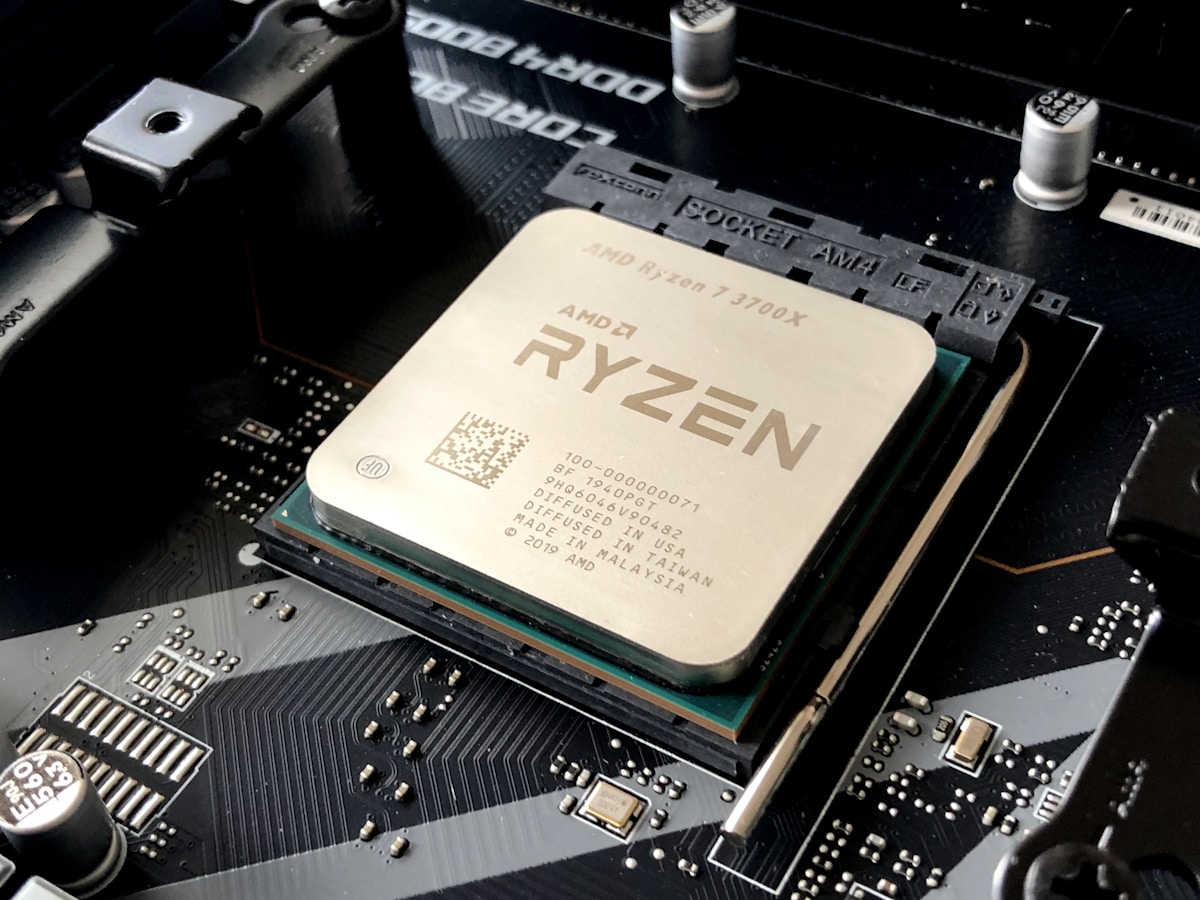
The irony here is painful. We spend billions on sophisticated cybersecurity systems, AI-powered threat detection, and zero-trust architectures. And then someone just... walks out with a thumb drive. The technology is straightforward - USB drives still work! - but the implications are massive.
This isn't about sophisticated nation-state hackers or zero-day exploits. This is about basic physical security controls failing during what appears to be a chaotic government reorganization. When you move fast and break things in Silicon Valley, you might lose some user data. When you move fast and break things in government, you expose the Social Security numbers, addresses, and financial information of half a billion people.
The Pardon Expectation
Perhaps most troubling is the reported expectation of a presidential pardon. If true, this suggests the contractor believed their actions would be protected at the highest levels - a stunning display of either arrogance or confidence in political cover.
This raises serious questions about accountability during rapid government transformation. When private sector contractors are brought in to "disrupt" government operations, who's ensuring they follow federal data protection laws? Who's checking that basic security protocols are maintained?
What This Means for Americans
If the alleged breach is confirmed, hundreds of millions of Americans may need to monitor their credit, watch for identity theft, and deal with the fallout for years. Social Security numbers don't change. Once they're out there, they're out there forever.
The technology is impressive - you can fit 500 million records on a device smaller than your thumb. The question is whether treating government reorganization like a tech startup pivot was worth the risk. Right now, the answer looks like a resounding no.