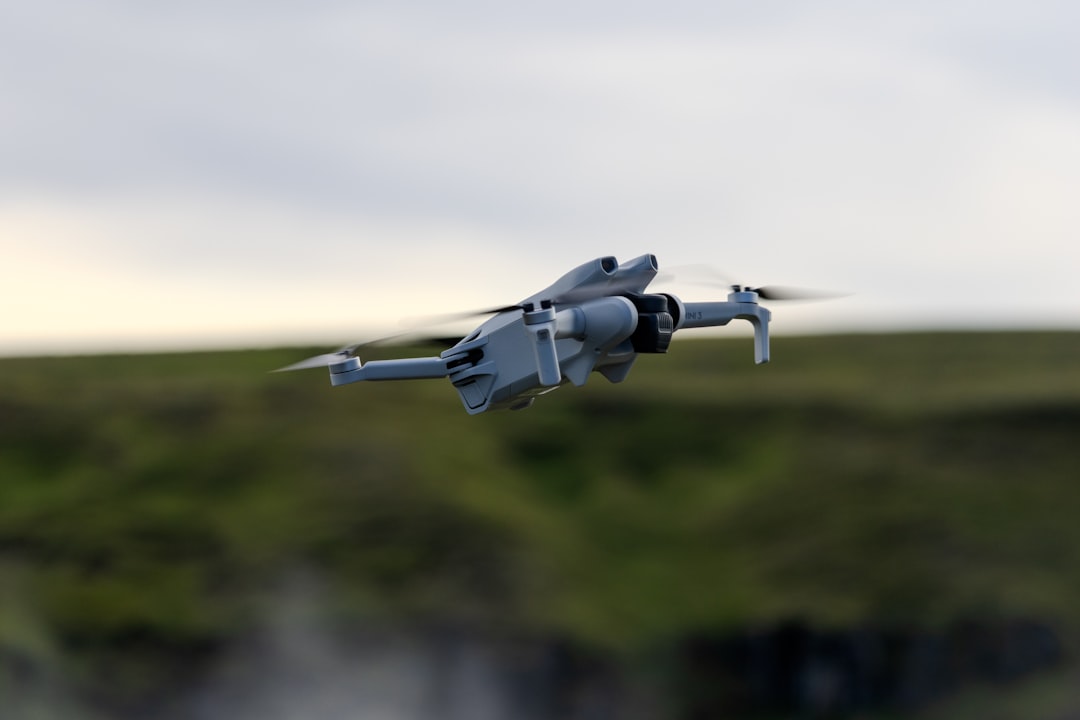
Chinese drone giant DJI is fighting back against the FCC's effective ban on its products in the US market. The company controls 70% of the global consumer drone market but has been caught in escalating tech tensions between Washington and Beijing, with national security cited as justification for restrictions DJI claims lack evidence.
The lawsuit is forcing the US government to show its work. Either the FCC has concrete evidence of data exfiltration and security risks, or this is geopolitical posturing dressed up as national security. We're about to find out which.
DJI's Market Position
DJI makes genuinely excellent drones. Ask any professional photographer, videographer, or surveyor - DJI's products are the industry standard for good reason. They're reliable, feature-rich, and priced competitively. The company's dominance isn't from subsidies or dumping; they simply built better products than their competitors.
But being a Chinese company that manufactures aerial surveillance equipment makes you an easy target in the current geopolitical climate. Drones by definition collect visual data and transmit it wirelessly. That creates obvious security concerns if you can't trust where the data goes.
What the FCC Did
The FCC didn't explicitly ban DJI drones, but the agency added DJI to a list of equipment that poses an "unacceptable risk to national security." That designation effectively prevents DJI products from operating on US communication networks and blocks government purchases.
For a company whose products rely on wireless connectivity for control and data transmission, this is functionally a ban. The FCC's action follows similar restrictions from the Department of Defense and Department of Interior, which previously banned DJI drones from their operations.
DJI's Argument
The company's lawsuit argues the FCC restrictions are "careless" and based on unsubstantiated security claims. DJI points out that:
- No evidence of data exfiltration has been publicly presented - DJI drones can operate in modes that don't transmit data to external servers - The company has offered to implement additional security measures - US competitors lobbied for the restrictions to eliminate a dominant foreign rival

That last point is crucial. DJI's competitors include US drone manufacturers who've struggled to match DJI's capabilities and pricing. National security restrictions conveniently happen to benefit domestic companies by removing their most formidable competitor.
The Evidence Question
Here's what we don't know: does the US government have classified evidence of DJI drones exfiltrating data to Chinese servers? Or are the restrictions based on theoretical risk - the possibility that China could compel DJI to add backdoors in the future?
There's a meaningful difference. If DJI drones are actively compromising security, the ban is justified. If the concern is purely hypothetical - China might potentially someday require DJI to enable surveillance - then we're banning products based on what a foreign government might do, not what companies have done.
DJI's lawsuit forces the FCC to present evidence. The agency will need to justify its restrictions with something more substantial than "they're Chinese and we don't trust them."
The Broader Context
DJI is far from the only Chinese tech company facing US restrictions. Huawei, ZTE, TikTok, and others have been targeted with varying levels of evidence presented. The pattern suggests a broader strategy of limiting Chinese technology companies' access to US markets, regardless of specific security findings.
That might be justifiable geopolitical strategy - reducing dependence on potential adversary nations' technology. But it should be called what it is, not dressed up as product-specific security findings when the evidence is classified or non-existent.
What's At Stake
DJI's lawsuit could set precedent for how the US handles Chinese tech companies going forward. If the FCC is required to present concrete evidence rather than asserting theoretical risks, it becomes harder to ban products for geopolitical reasons alone.
That's not necessarily good or bad - there are legitimate arguments for restricting adversary-nation technology even without specific evidence of current harm. But transparency matters. If we're going to ban entire categories of products, we should be honest about whether it's based on proven security risks or geopolitical strategy.
For now, DJI's excellent drones are effectively banned from the US market. The company's lawsuit will determine whether that ban is based on evidence or assertion. Either way, US customers lose access to the best drones on the market. The question is whether that cost is justified.