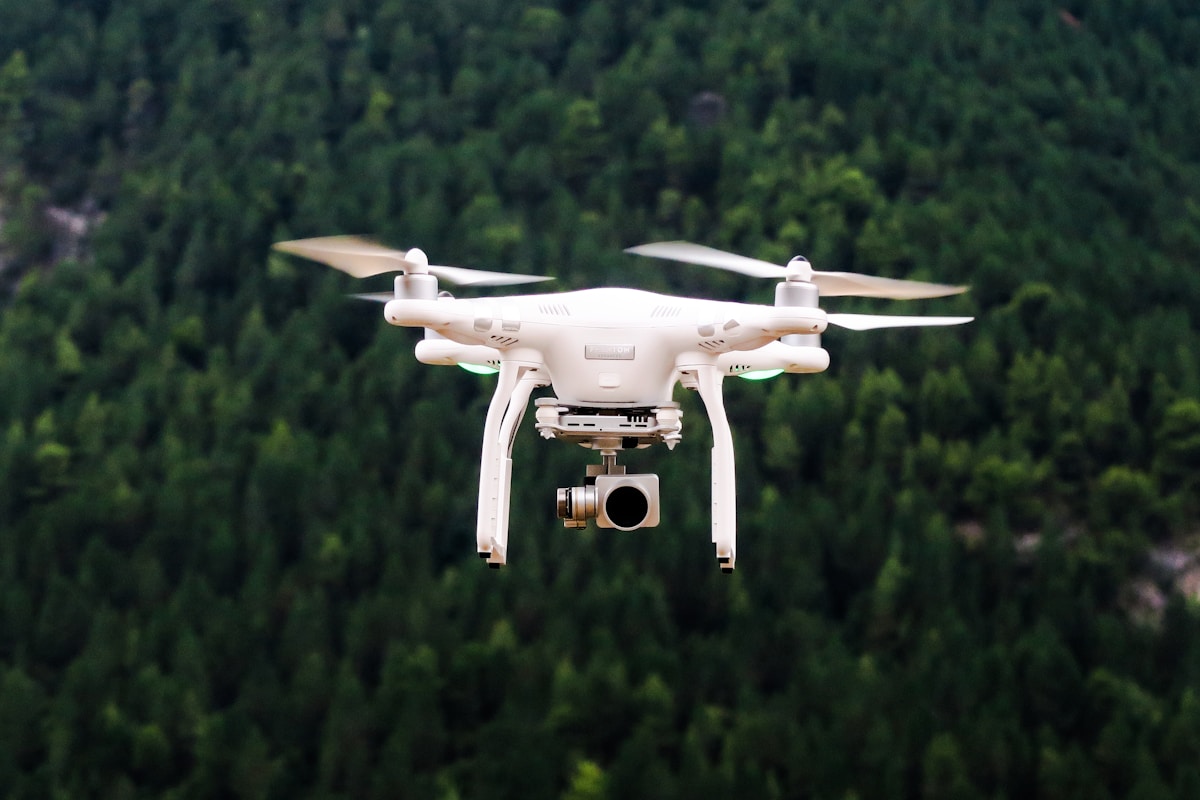
DJI is suing the FCC over its decision to ban new drone imports, but the lawsuit is really about whether the US government can block Chinese tech companies without specific evidence of wrongdoing. The precedent could affect everything from smartphones to electric vehicles.
This is the tech Cold War getting very real.
The FCC's decision to block DJI drone imports was framed in national security terms. The agency cited concerns about data collection, potential surveillance capabilities, and the company's connections to the Chinese government. These are the same concerns raised about TikTok, Huawei, and other Chinese tech companies operating in the US.
DJI's lawsuit challenges the legal basis for the ban. The company argues that the FCC hasn't provided specific evidence that DJI drones pose a concrete security threat. Instead, the ban appears to be based on general concerns about Chinese tech companies and their relationship to the Chinese government.
Here's where it gets legally interesting: Can the US government ban a company's products based on nationality and potential risk, or does it need to demonstrate actual harm?
The national security apparatus argues that by the time you have evidence of harm, it's too late. If DJI drones are being used for surveillance or data collection that threatens US interests, you don't want to wait until the surveillance has already happened to act. Prevention requires precautionary measures based on risk assessment, not just evidence of actual wrongdoing.
DJI and its legal team argue that this is guilt by association. Being a Chinese company doesn't automatically make you a security threat. The company points out that its drones are used by US law enforcement, fire departments, and infrastructure inspectors. If DJI drones were actually a security risk, wouldn't we have seen evidence by now?
Both arguments have merit, which is what makes this complicated.
What I find notable is how little specific technical evidence has been made public. The FCC has cited general concerns. Security researchers have identified potential data collection capabilities. But there hasn't been a public presentation of evidence that DJI drones are actively being used for malicious purposes.
That could mean one of two things: either the evidence is classified and can't be shared publicly, or the ban is based on precautionary principles rather than demonstrated harm.