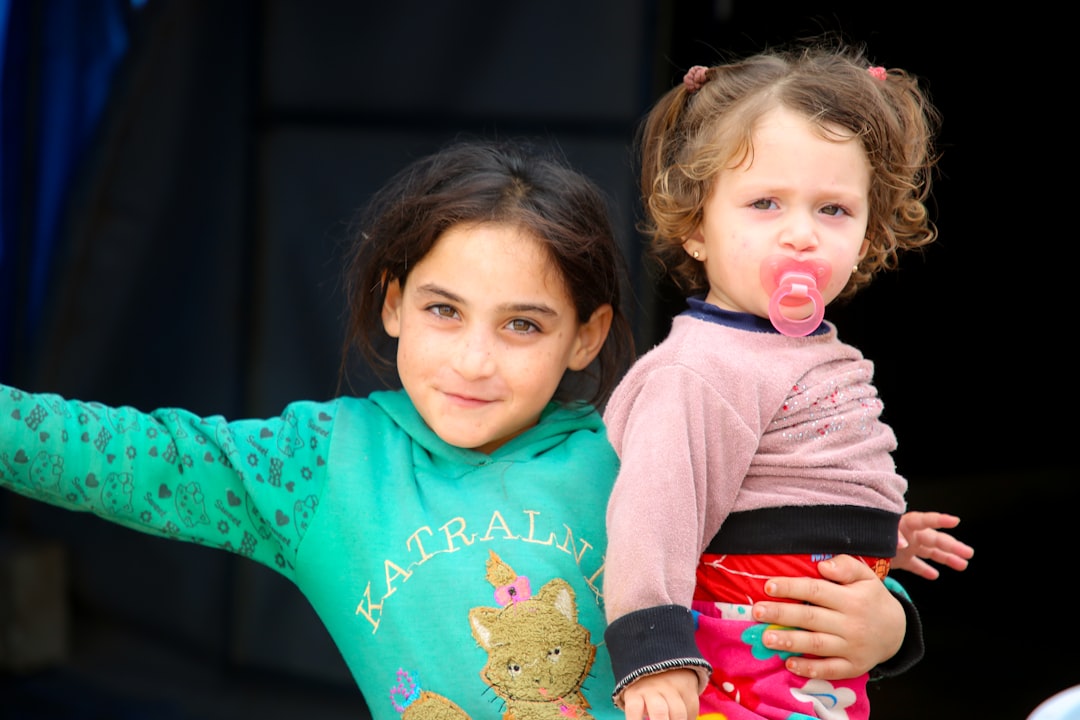
Seven-year-old Samra sits in a makeshift encampment in Beirut, drawing the Lebanese national flag with careful strokes — a small gesture of normalcy amid the upheaval that has defined her young life.
The image, captured by Reuters photographer Zohra Bensemra on April 29, tells a story familiar to hundreds of thousands of Lebanese families: displacement during conflict, temporary shelter during ceasefire, and the uncertainty that comes with both.
As the fragile ceasefire between Lebanon and Israel enters its fifth month, displaced families continue to trickle back to Beirut and other areas, finding refuge in improvised camps, damaged buildings, and with relatives. The November 2024 ceasefire brought a temporary halt to the most intense fighting, but the conflict's resumption in early March has left the displacement crisis unresolved.
Lebanon's government, already struggling with a multi-year economic collapse that has devastated the currency and gutted public services, has limited capacity to address the humanitarian needs. The country's political paralysis — characterized by prolonged vacuums in the presidency and cabinet formation — means coordinated relief efforts remain sporadic and under-resourced.
According to UN estimates from earlier this year, the conflict displaced more than 300,000 people from southern Lebanon, the southern suburbs of Beirut, and the Bekaa Valley. While some have returned to their homes during lulls in fighting, many find their residences destroyed or in areas still deemed unsafe due to unexploded ordnance and ongoing military operations.
The makeshift camps emerging in Beirut echo scenes from previous conflicts in this region — from the 2006 war with Israel to the ongoing presence of Syrian refugee camps that house more than one million people. Lebanon, a country of approximately 5.5 million citizens, now hosts displaced populations from multiple crises simultaneously.
For children like Samra, the concept of home exists in memory and aspiration rather than current reality. Her drawing of the flag — cedar tree centered between red stripes — represents a nation whose identity has long been tested by external conflicts and internal divisions.
The ceasefire's fragility was underscored again this week by a Hezbollah drone strike that killed an Israeli contractor in southern Lebanon, demonstrating that the temporary cessation of hostilities remains exactly that: temporary. Until a lasting political settlement addresses the underlying tensions, families will continue to live in limbo, caught between destroyed homes in the south and improvised shelters in the capital.
In this region, today's headline is yesterday's history repeating.