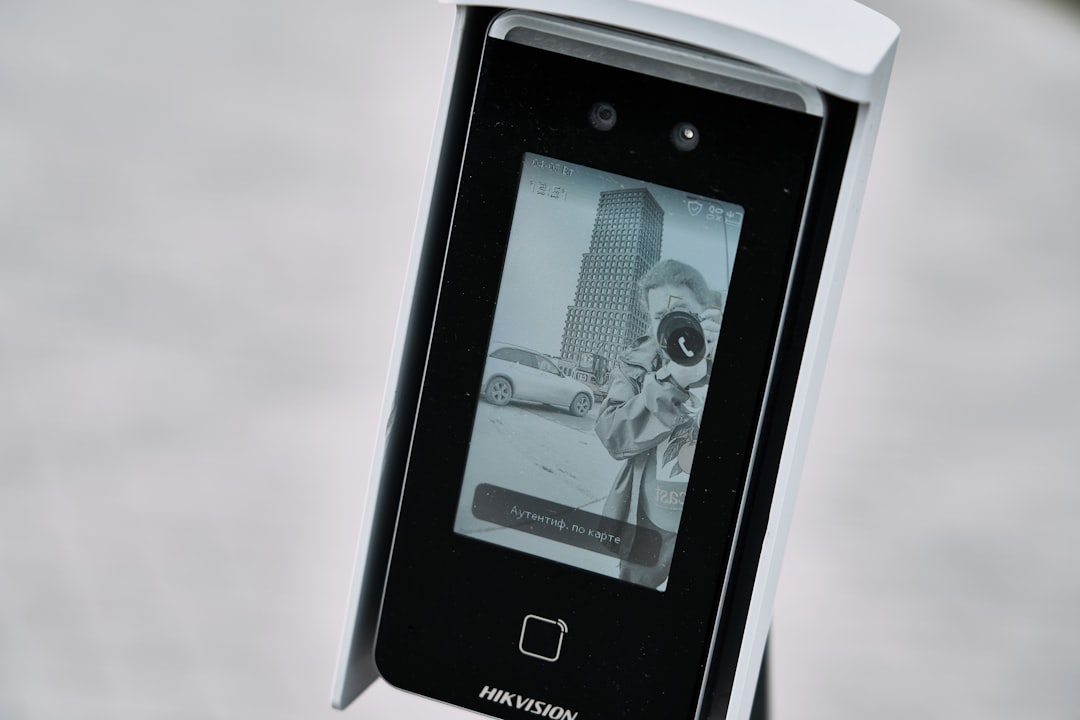
Facial recognition technology is moving from airports to amusement parks, and Disney is at the center of a lawsuit challenging how one of the world's most visited destinations collects and uses biometric data from millions of visitors - including children.
A new lawsuit filed in California alleges that Disney has been using facial recognition technology at its theme parks without proper consent or disclosure. According to NBC News, the suit claims the company violated California's strict biometric privacy laws by collecting, storing, and analyzing facial data from park visitors.
Here's what makes this significant. When you're paying $200 for a theme park ticket, you might not realize you're also paying with your biometric data. Facial recognition at entertainment venues represents a new frontier in surveillance - one where private companies, not governments, are building massive databases of faces tied to identities, locations, and behaviors.
Disney hasn't publicly confirmed or denied using the technology, but the lawsuit points to multiple systems throughout the parks that appear designed for facial capture and analysis. The company's MagicBand system already tracks visitors throughout the park. Adding facial recognition would create an extraordinarily detailed profile of guest behavior.
The legal argument centers on California's Biometric Information Privacy Act, which requires companies to get explicit consent before collecting biometric data and to disclose how that data will be used and stored. The lawsuit alleges Disney did neither.
What's particularly troubling is the inclusion of children. Theme parks are family destinations, which means any facial recognition system is necessarily scanning and cataloging children's faces. That raises additional legal and ethical questions about consent and data protection.
Disney will likely argue that any facial recognition is used for security and customer experience purposes - preventing ticket fraud, identifying lost children, or personalizing interactions with characters. Those might be legitimate uses. But they don't exempt the company from basic disclosure and consent requirements.
This lawsuit could set precedent for how entertainment venues handle biometric data. If Disney loses, it would signal that consumer-facing facial recognition requires explicit opt-in consent, not just buried terms of service. If Disney wins, expect every major entertainment venue to deploy similar systems.