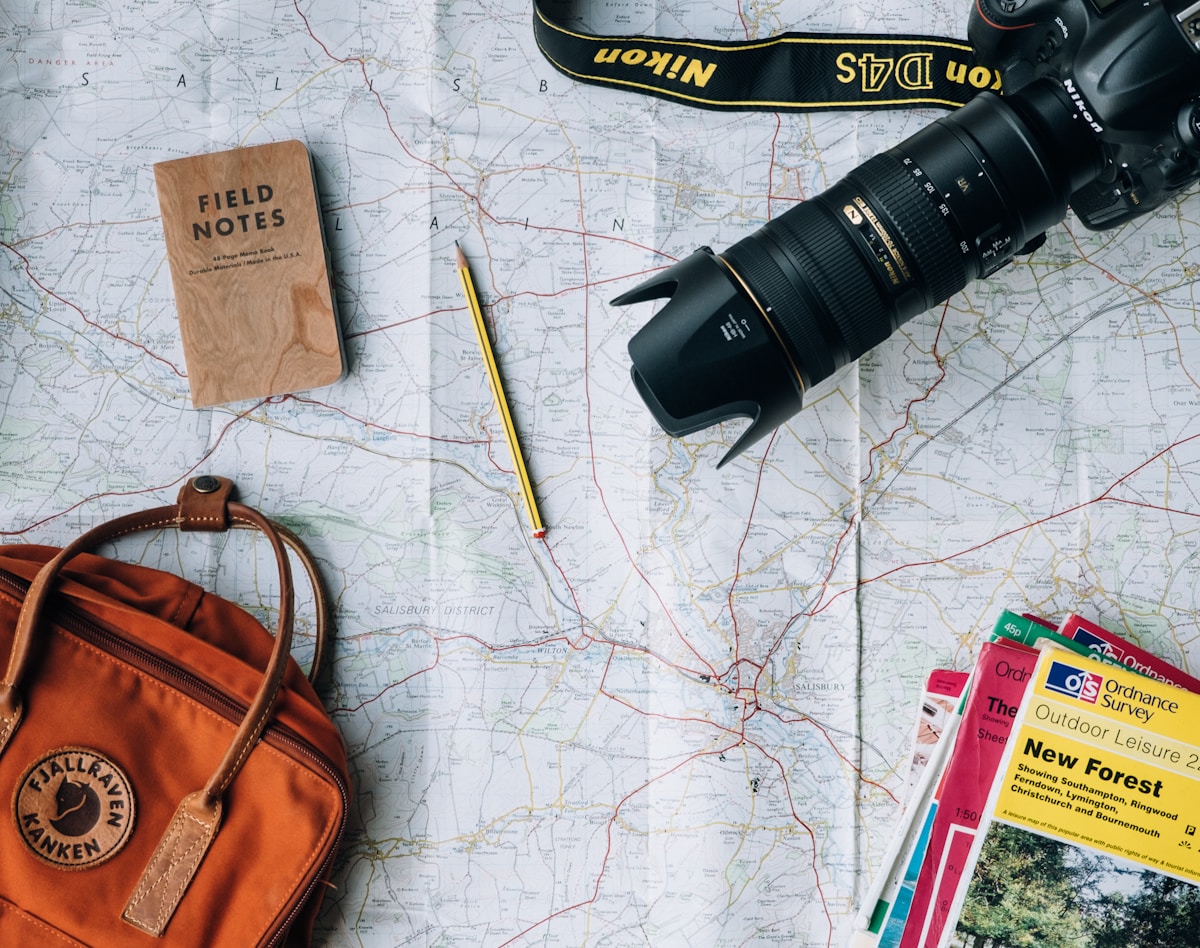
The Instagram version of digital nomad life is all sunsets from Bali coworking spaces, laptop-by-the-beach aesthetic, and the intoxicating promise of freedom.
The reality? Sometimes it's just the same problems in different time zones.
A brutally honest confession on r/digitalnomad is sparking an overdue conversation: What happens when you realize constant travel is just high-end avoidance?
"First few months were genuinely great. New city, new energy, everything felt possible," the post begins. "Then I noticed I was working the same hours, avoiding the same things, feeling the same low grade restlessness I thought I'd left behind."
The post continues: "I wonder how much of the nomad lifestyle is actually about freedom and how much is about staying in motion just enough that you never have to stop and look at anything too closely."
The question at the end is simple and devastating: "Has anyone else sat with this?"
The Myth of Geographic Solutions
There's an old recovery saying: "Wherever you go, there you are." It's a reminder that changing your location doesn't automatically change your internal landscape.
The digital nomad movement often sells the opposite message. Stuck in a rut? Bored with your routine? Feeling unfulfilled? Just travel. The assumption is that movement equals growth, that new places will somehow make you a new person.
For some people, some of the time, that's true. A change of scenery can break patterns, offer fresh perspective, and create space for self-reflection.
But for others, travel becomes another form of running away.
As one commenter on the thread noted: "The hardest part of nomad life isn't finding good wifi. It's realizing you're the common denominator in all your problems."
The Performance of Freedom
Part of the problem is that digital nomadism has become a lifestyle brand as much as a way of life. Social media rewards the aesthetic: the perfectly framed laptop-and-coffee shot, the inspiring caption about living life on your own terms, the humble-brag about working from a beachside cafe.
What doesn't get posted: the loneliness, the exhaustion of constant logistics, the difficulty of building meaningful relationships when you're always leaving, the nagging sense that you're performing freedom rather than actually feeling it.
The original poster touched on this: the lifestyle felt "genuinely great" at first, likely because it was new and Instagram-worthy. But once the novelty wore off, the same patterns emerged. Same work hours. Same avoidance behaviors. Same restlessness.
Motion vs. Progress
There's a crucial difference between motion and progress.
Motion is activity for its own sake: booking flights, researching destinations, moving to a new city every month. It feels productive. It generates content. It impresses people at parties (or would, if you stayed in one place long enough to attend parties).
Progress is actual change: confronting difficult emotions, building sustainable routines, developing deep relationships, doing the internal work that makes external circumstances less important.
Motion is easy to measure. Progress is hard and often invisible.
As another commenter wrote: "I spent two years bouncing around Southeast Asia thinking I was 'finding myself.' Turns out I was just really good at avoiding therapy."
When Travel Becomes Escapism
This doesn't mean digital nomadism is inherently unhealthy or that everyone who travels is running from something. Plenty of people thrive on the lifestyle and genuinely benefit from location independence.
But it's worth asking yourself hard questions:
• Am I traveling toward something or away from something? • Do I have sustainable routines, or am I constantly starting over? • Am I building meaningful connections, or just collecting acquaintances? • Am I addressing my problems, or just outrunning them?
The traveler who wrote the original post is already ahead of the curve by asking these questions. Self-awareness is the first step toward change—whether that change involves slowing down, returning to a home base, or simply approaching travel with more intentionality.
Sitting Still
The most subversive thing a digital nomad can do might be to stop moving.
Not forever. Not as a failure. But as an experiment: What happens if you stay in one place long enough to get bored? To face the difficult emotions you've been outrunning? To build relationships that can't be reduced to Instagram captions?
As one wise commenter noted: "The destination doesn't matter if you're still running. Eventually you have to sit with yourself."
The best travel isn't about the destination—it's about what you learn along the way.
Sometimes the hardest lesson is the simplest: You can't outrun yourself.