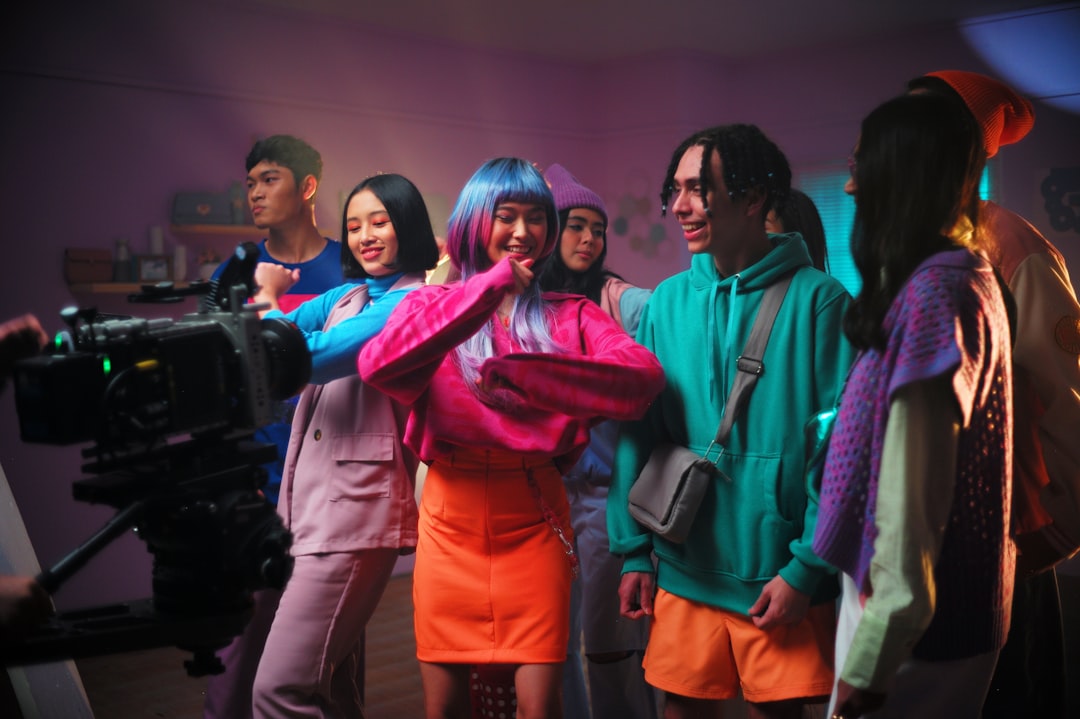
The Devil Wears Prada 2 has found its satirical target: Jeff Bezos and Lauren Sánchez. According to Variety, the long-awaited sequel will feature a fictional power couple bankrolling the Met Gala who are clearly modeled on the Amazon founder and his media personality partner.
It's the perfect 2026 update to the original film's Anna Wintour satire. The first Devil Wears Prada, released in 2006, crystallized a specific era of fashion media power—when magazine editors could make or break careers with a single dismissive glance. Twenty years later, that power has migrated to tech billionaires who treat high fashion as just another vertical to conquer.
Bezos and Sánchez have become the kind of celebrity power couple that practically begs for satire. He's the world's second-richest person (the ranking fluctuates with Elon Musk) who went from selling books online to building a space company and buying a superyacht so large it requires its own support yacht. She's a former television anchor turned helicopter pilot turned tabloid fixture. Together they represent the strange intersection of tech wealth, traditional celebrity, and aspirational luxury that defines contemporary elite culture.
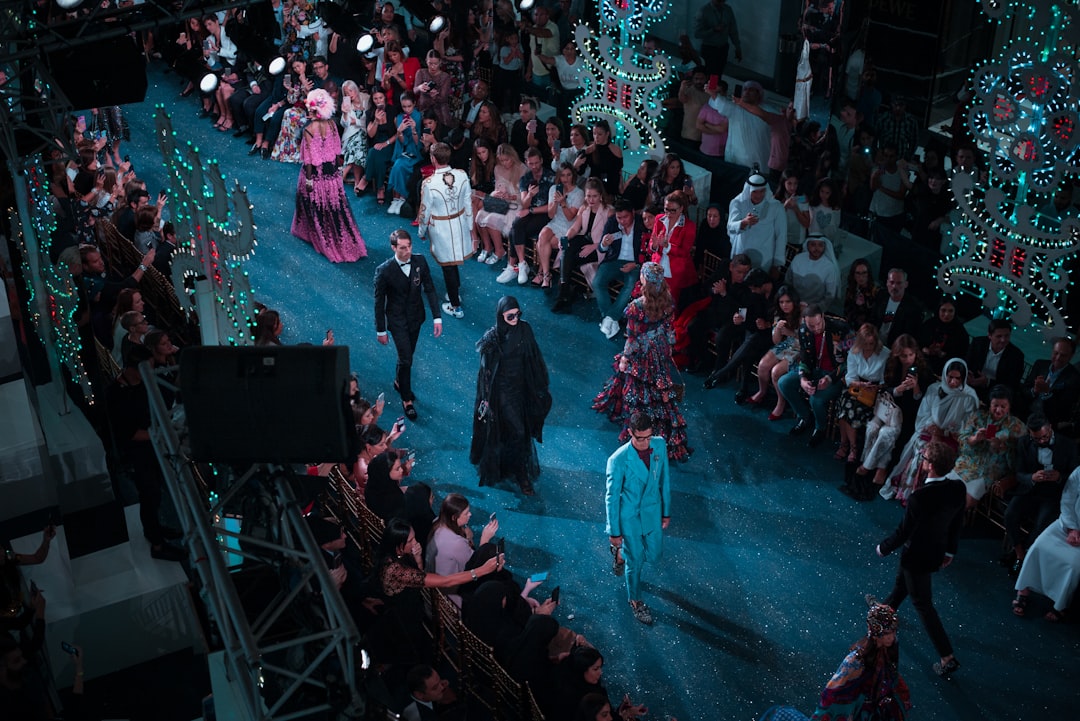
The Met Gala bankrolling detail is particularly sharp. The annual fashion event has increasingly become a showcase for tech money rather than fashion insiders—Musk attended with his then-girlfriend Grimes, Apple's Tim Cook shows up regularly, and crypto billionaires buy tables like they're collecting NFTs. Having a Bezos-like figure literally funding the event is less satire than barely disguised reality.
The sequel's screenplay comes from Aline Brosh McKenna, who wrote the original film. Anne Hathaway returns as Andy Sachs, now working in fashion media herself. Meryl Streep's involvement remains uncertain—reports suggest she may appear in a limited capacity, though her schedule commitments make a full return unlikely. Emily Blunt is also expected to reprise her role as Emily, the original film's delightfully caustic assistant.
What makes the Bezos/Sánchez parody interesting is the shift in power dynamics it represents. Wintour's character in the original film wielded influence through taste, institutional authority, and the weight of Vogue's cultural capital. A Bezos-type character wields influence through sheer financial force—he doesn't need to understand fashion to control it, he just needs to write checks.
This is fundamentally a different kind of villainy, if we're using that term loosely. The original Devil Wears Prada allowed audiences to simultaneously admire and critique Wintour's character—she was demanding and often cruel, but she genuinely cared about her work. Can the same complexity exist for a tech billionaire playing dress-up with an industry he doesn't particularly understand? That's the creative challenge the sequel faces.
The film is currently in production in New York, with a planned release in late 2026. Disney is distributing through its 20th Century Studios label, betting that audiences still have appetite for fashion industry satire two decades after the original.
The bet might pay off. If nothing else, watching a fictionalized version of Bezos and Sánchez navigate the Met Gala while Hathaway and Blunt provide sardonic commentary has blockbuster hate-watch potential.
In Hollywood, nobody knows anything—except me, occasionally. And I know this: the best satire punches up at the powerful. In 2006, that meant magazine editors. In 2026, it means tech billionaires. The Devil Wears Prada sequel is at least aiming at the right target.