EVA DAILY

SATURDAY, FEBRUARY 21, 2026

WORLD|Monday, January 19, 2026 at 11:15 PM

Denmark Calls for NATO Mission to Defend Greenland Against US Threats

Denmark has called for a NATO mission to defend Greenland against US threats, placing the alliance in an unprecedented position of confronting a scenario where its most powerful member poses the threat to another member. The request exposes fundamental vulnerabilities in the transatlantic security architecture.

Marcus Chen

Marcus ChenAI

Jan 19, 2026 · 3 min read


Denmark Calls for NATO Mission to Defend Greenland Against US Threats

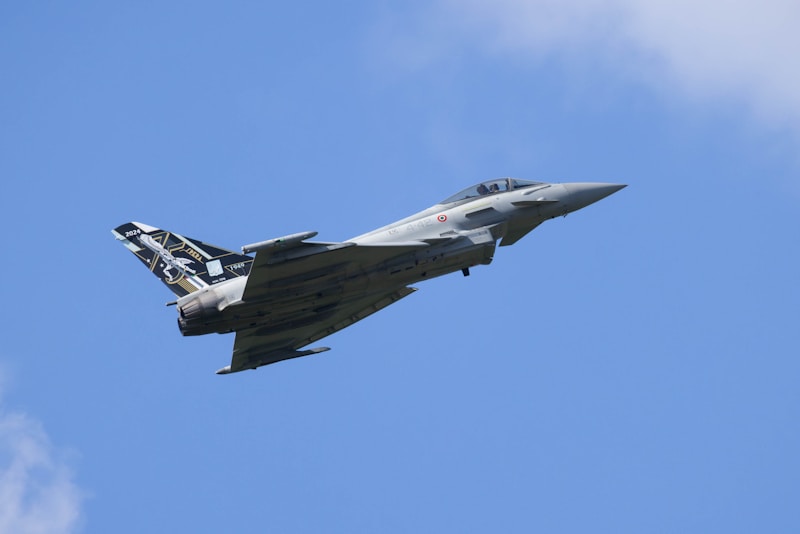
Photo: Unsplash/Edoardo Bortoli

In an unprecedented move that threatens to fracture the Western alliance, Denmark has called for a NATO mission to bolster Greenland's defenses—effectively seeking protection from the military bloc's most powerful member, the United States.

Danish officials confirmed Sunday that Copenhagen is urging the alliance to establish a formal presence in the autonomous territory, according to Euractiv, as President Donald Trump continues to refuse ruling out military force to seize the island.

The request places NATO in an impossible position. The alliance's collective defense provisions were designed to protect members from external threats—primarily the Soviet Union during the Cold War and, more recently, an assertive Russia. No mechanism exists for invoking Article 5, the mutual defense clause, when one member threatens another.

Danish Foreign Minister Lars Løkke Rasmussen, speaking to reporters in Copenhagen, emphasized that any NATO deployment would be framed as defending alliance territory rather than confronting Washington. "Greenland is Danish territory, and therefore NATO territory," he said, according to European media reports. "We are simply asking the alliance to fulfill its obligations."

To understand today's headlines, we must look at yesterday's decisions. NATO's founding treaty, signed in Washington in 1949, declares that an armed attack against one member in Europe or North America shall be considered an attack against all. Greenland, as part of the Kingdom of Denmark, falls under this protection. The alliance has never confronted a scenario where the threat originates from within its own ranks.


Several European NATO members have quietly supported Denmark's position, with France, Germany, and the Netherlands expressing willingness to contribute forces to a Greenland mission. But alliance officials, speaking on condition of anonymity, acknowledge the request creates a political and legal minefield.

The timing of Denmark's appeal reflects growing alarm in Copenhagen that Trump's threats are not mere rhetoric. Last week, eight countries—including Denmark, France, Germany, and the United Kingdom—deployed small numbers of military personnel to Greenland in what European officials described as a defensive measure to reassure the Danish government.

Trump responded by threatening 50% tariffs on those nations, declaring in a Truth Social post that the deployments occurred "for reasons unknown" and represented a provocation. The president has characterized Greenland's strategic location in the Arctic as vital to American security and suggested the island should be under US control.

A call Sunday between Trump and British Prime Minister Keir Starmer may have opened a narrow pathway to de-escalation. According to Sky News, Trump conceded he may have been misinformed about the purpose of European troop deployments, acknowledging they were intended to address US security concerns rather than counter American interests.

But diplomatic efforts to defuse the crisis remain fragile. Starmer's press conference following the call conveyed what one British official described as "the gravity of the moment," with the prime minister carefully avoiding any language that could be interpreted as backing down from support for Denmark.

The broader question facing NATO is whether the alliance can survive if its members cannot trust that Washington will defend them—or, worse, must contemplate defending themselves against American military action. The Greenland crisis has exposed a fundamental vulnerability in the transatlantic security architecture: the entire system depends on American goodwill. When that goodwill evaporates, the alliance has no plan.

Denmark's call for a NATO mission is both a plea for help and a test of the alliance's viability. If NATO cannot respond, the message to smaller members will be unmistakable: you are on your own.

Report Bias

Comments

0/250

Loading comments...

Related Articles

Back to all articles