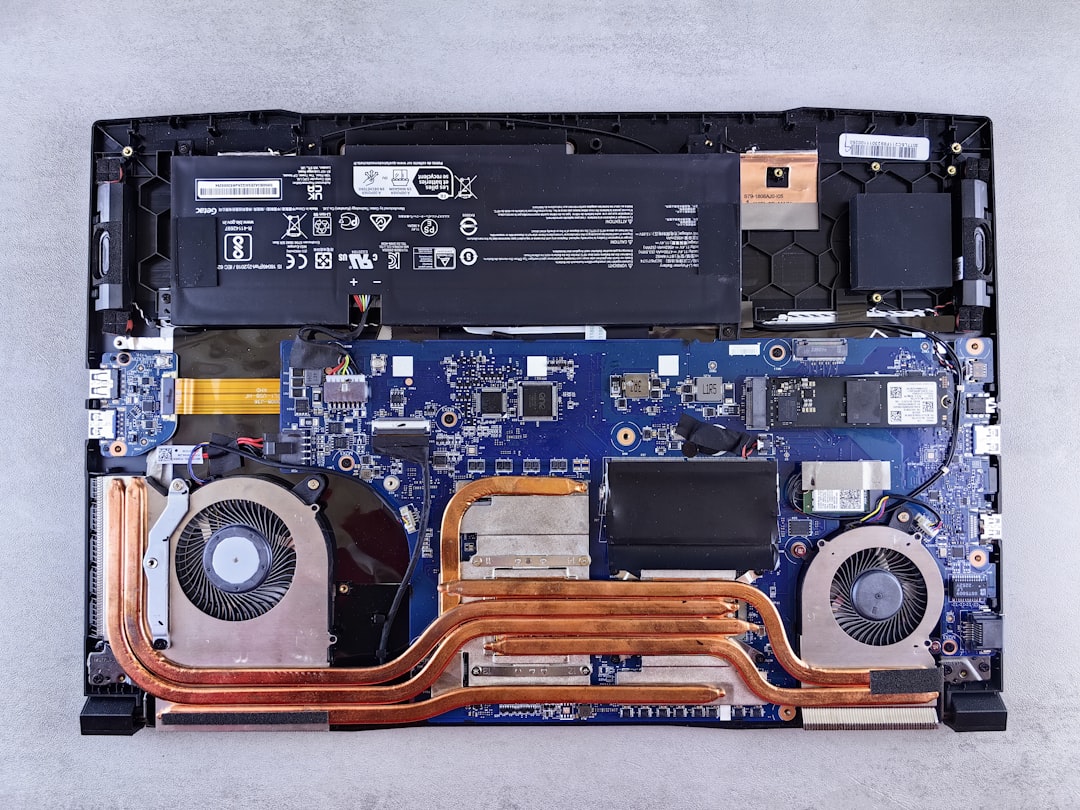
Dell's new XPS 14 achieved 43 hours of battery life in web browsing tests, nearly three times the MacBook Air M5's performance. If validated, it represents a significant advancement in laptop battery technology.
Battery life claims are often marketing fiction, but if this testing holds up, it's the first real challenge to Apple's efficiency advantage in years. The question is whether it's genuine engineering progress or just very specific test conditions.
Laptop manufacturers have a long history of creative battery life testing. The tests typically involve the dimmest possible screen brightness, wireless radios disabled, the laptop doing basically nothing except displaying static content. Real-world usage—multiple browser tabs, video calls, background applications, reasonable screen brightness—usually cuts claimed battery life in half or more.
But 43 hours is such an extraordinary number that it demands attention even accounting for testing shenanigans. That's not just incremental improvement. That's a fundamental shift in power efficiency if it translates to real usage.
The technical details matter here. What processor is the Dell XPS 14 using? What's the battery capacity? What power management features are enabled? And crucially, what exactly was the testing methodology? Web browsing can mean anything from loading a single static page and letting it sit to actively scrolling through media-rich content with JavaScript running constantly.
The comparison to MacBook Air M5 is particularly interesting because Apple's M-series chips have dominated on power efficiency since their introduction. The combination of ARM architecture, tight hardware-software integration, and manufacturing at leading-edge process nodes has given Apple a structural advantage that x86 laptops have struggled to match.
If Dell is genuinely approaching triple the battery life of a MacBook Air, they've either achieved a breakthrough in power management, packed an absolutely massive battery into the chassis, or—most likely—the testing conditions are so specific that they don't represent meaningful real-world advantage.
One hardware reviewer noted that battery life claims should always be verified independently. The same reviewer pointed out that manufacturers optimize specifically for the metrics that get reported, which doesn't always align with what users actually experience. A laptop optimized for static web browsing might perform very differently under video playback, compilation workloads, or sustained background activity.