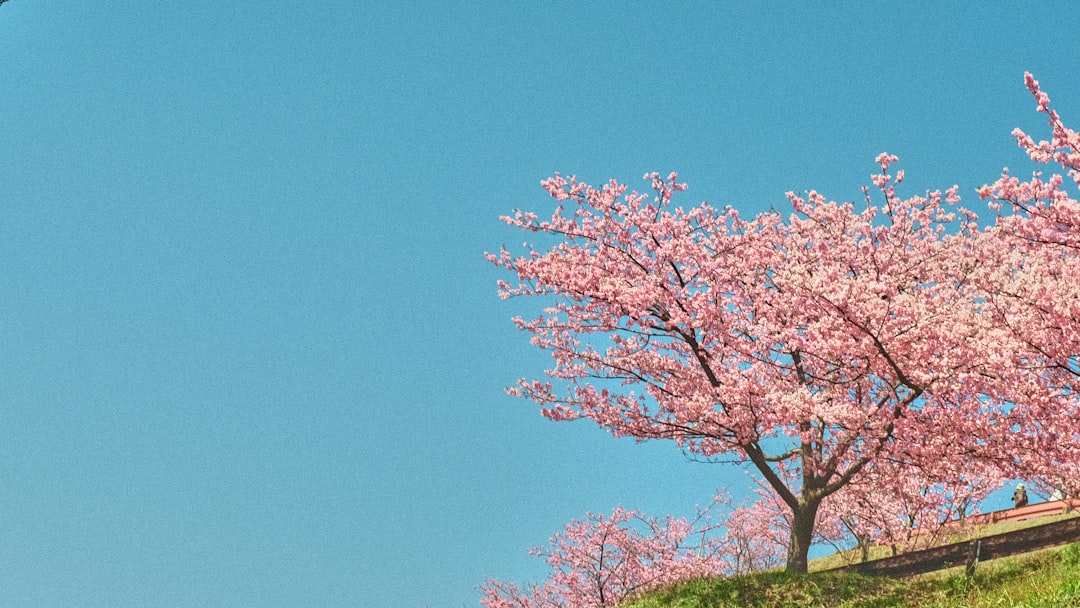
For nearly half a century, cherry blossom trees have served as delicate ambassadors between Japan and China—living symbols of reconciliation gifted across borders to nurture goodwill despite historical grievances. That tradition, known as sakura gaiko (cherry blossom diplomacy), appears to be withering as Beijing has quietly declined Tokyo's latest overtures to revitalize the symbolic exchange.
The rejection, reported by The Asahi Shimbun, marks a significant symbolic deterioration in bilateral relations. Japanese officials proposed last autumn to donate several hundred cherry trees to cities across China to commemorate the 45th anniversary of the two nations' 1978 Treaty of Peace and Friendship. Beijing never formally responded to the offer.
The history of sakura diplomacy traces to 1972, when Japan and China normalized diplomatic relations after decades of enmity stemming from World War II. In 1973, Japan sent its first major cherry tree donation—1,000 saplings—to Beijing's Yuyuantan Park, where they flourished and became a popular springtime attraction for Chinese citizens.
Over subsequent decades, the exchanges expanded. China reciprocated with gifts of pandas—including the famous Ling Ling and Kang Kang, who arrived at Tokyo's Ueno Zoo in 1972. Japanese cherry trees appeared in cities including Wuhan, where a major grove commemorates Chinese students who studied in Japan during the early 20th century.
The symbolism runs deep in both cultures. Cherry blossoms— in Japanese, (樱花) in Mandarin—represent renewal, the ephemeral nature of beauty, and the importance of appreciating fleeting moments. In diplomatic terms, the trees embodied a commitment to cultivating friendship despite the difficult historical legacy between the two nations.