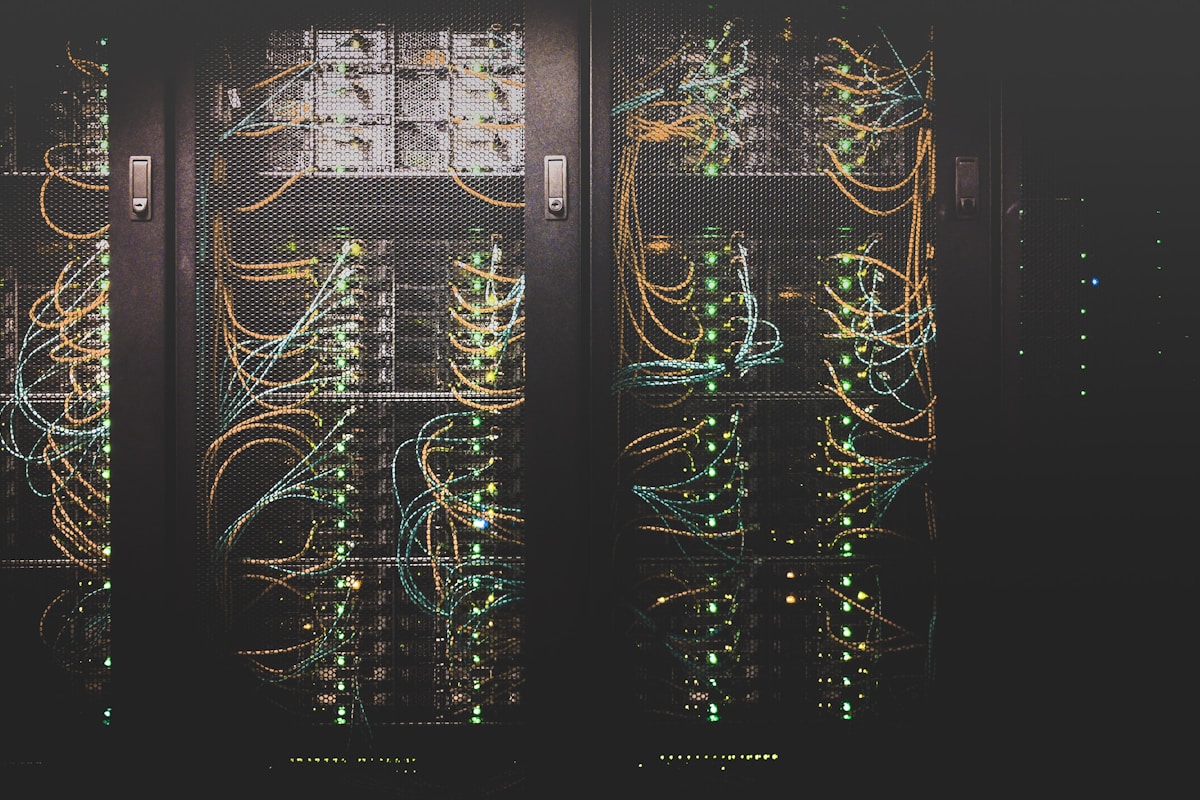
The AI revolution just ran into a wall. Not a software wall or a funding wall—a literal electrical wall. Half of planned US data center projects have been delayed or canceled because we don't have enough power to run them.
Let me say that again: the constraint on AI development right now isn't model architecture or training techniques or compute efficiency. It's whether the electrical grid can deliver enough juice to the building.
The infrastructure reality check
Data centers for AI training and inference are not like normal data centers. They consume obscene amounts of electricity. A single H100 GPU cluster can draw megawatts of power. Scale that to the thousands of chips needed to train frontier models, and you're talking about power consumption equivalent to a small city.
The US electrical grid was not built for this. Power infrastructure takes years to plan, permit, and construct. You can't just plug in a new substation because Sam Altman needs another data center next quarter.
And it's not just a domestic infrastructure problem. The supply chain for critical data center components still depends heavily on China, despite years of efforts to diversify. When you need specialized transformers, cooling systems, and power distribution units, you're buying from Chinese manufacturers whether you like it or not.
What this means for AI development
Every major AI lab has announced plans for massive compute buildouts. OpenAI wants to spend billions on infrastructure. Anthropic is raising money for the same. Google and Microsoft are in an arms race to build more capacity faster.
But if you can't actually power the data centers, none of that matters. You can raise all the capital you want; it doesn't create electrical transmission capacity.
This is going to create some interesting strategic dynamics. Companies that already have data centers with sufficient power allocation have a structural advantage. Regions with excess power generation capacity become much more valuable.
And it's going to shift where AI development happens. If you can't build in the US because of power constraints, you build where you can. That might be the Middle East with its massive energy resources, or countries that prioritize AI infrastructure over other power demands.