
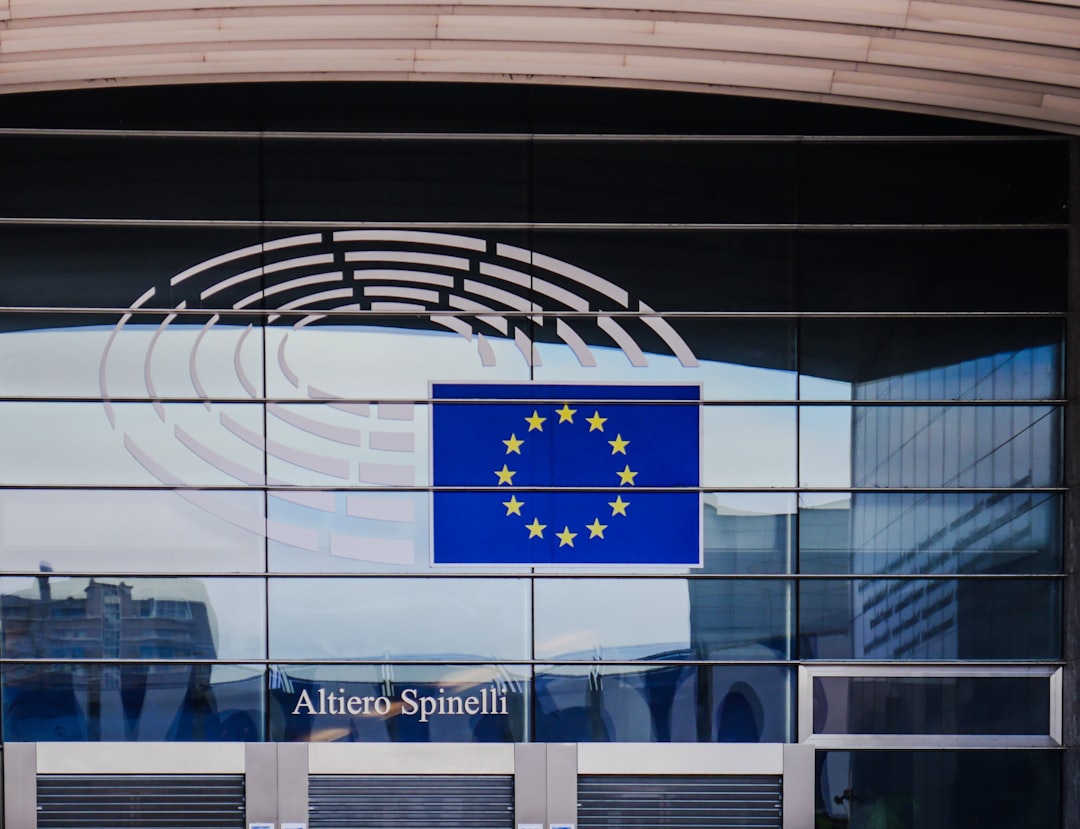
Jan Lipavský, Czech Republic's former foreign minister, has accused Hungary's top diplomat of committing "a really big breach of trust" by allegedly sharing details of confidential European Union Council discussions with Russia.The allegations, reported by TVP World, center on Péter Szijjártó, Hungary's foreign minister, who Lipavský claims has maintained regular contact with Russian Foreign Minister Sergei Lavrov before and after EU summits where sensitive security matters are discussed."Confidential material from EU Council meetings may have reached Russia," Lipavský stated, pointing to a pattern of communications that coincide with high-level European deliberations on Ukraine support and sanctions policy.Szijjártó confirmed the contacts but denied sharing classified information. "Nothing confidential is discussed at ministerial level," the Hungarian foreign minister said, characterizing his communications with Lavrov as routine diplomatic engagement.In Russia, as in much of the former Soviet space, understanding requires reading between the lines. The allegations reflect deeper fractures within the European Union over how to manage relations with Moscow — and more fundamentally, whether all member states share common security interests in the context of the Ukraine conflict.Lipavský pointed to Budapest's consistent pattern of diluting or delaying EU sanctions targeting Russia, obstructing other member states' efforts to maintain unified pressure on the Kremlin. Hungary has repeatedly used its veto power to water down sanctions packages and has blocked EU military aid to Ukraine.The timing of the accusations is significant. They come as larger EU states are exploring institutional formats that would exclude Hungary from sensitive security discussions — a dramatic step that would acknowledge fundamental divergence within the bloc on questions of European security architecture.Lipavský warned that complete exclusion would be legally difficult under current EU treaties, but suggested that a mechanism may become necessary if Hungary continues blocking common decisions, particularly regarding Ukraine support. Such a mechanism would allow willing member states to proceed with deeper integration while leaving others behind.The allegations also highlight the operational challenges of maintaining intelligence security in a consensus-based organization where one member state maintains close ties with the subject of that intelligence. has cultivated uniquely warm relations with among EU members, with Prime Minister maintaining regular dialogue with throughout the Ukraine conflict.Budapest has also blocked EU criticism of Russian energy policy, opposed efforts to reduce dependence on Russian gas, and exempted itself from certain sanctions measures. Hungarian officials frame this as pragmatic national interest, particularly regarding energy security, but other member states increasingly view it as undermining collective European security.The controversy comes at a delicate moment for EU cohesion, as member states debate long-term security commitments to and grapple with the implications of changing US policy toward European defense. The question of whether can remain a trusted partner in sensitive security deliberations now appears to be openly debated among European capitals.From 's perspective, divisions within the EU serve strategic interests by preventing unified Western action and demonstrating the limits of transatlantic coordination. The Kremlin has consistently sought to exploit differences among European states, and 's position provides a valuable entry point for Russian influence within EU decision-making structures.Lipavský's public accusations represent an unusual escalation — typically, such concerns would be raised through confidential diplomatic channels. The decision to go public suggests either that private démarches have failed or that Czech officials believe transparency is necessary to address what they view as a systematic security problem within European institutions.
|