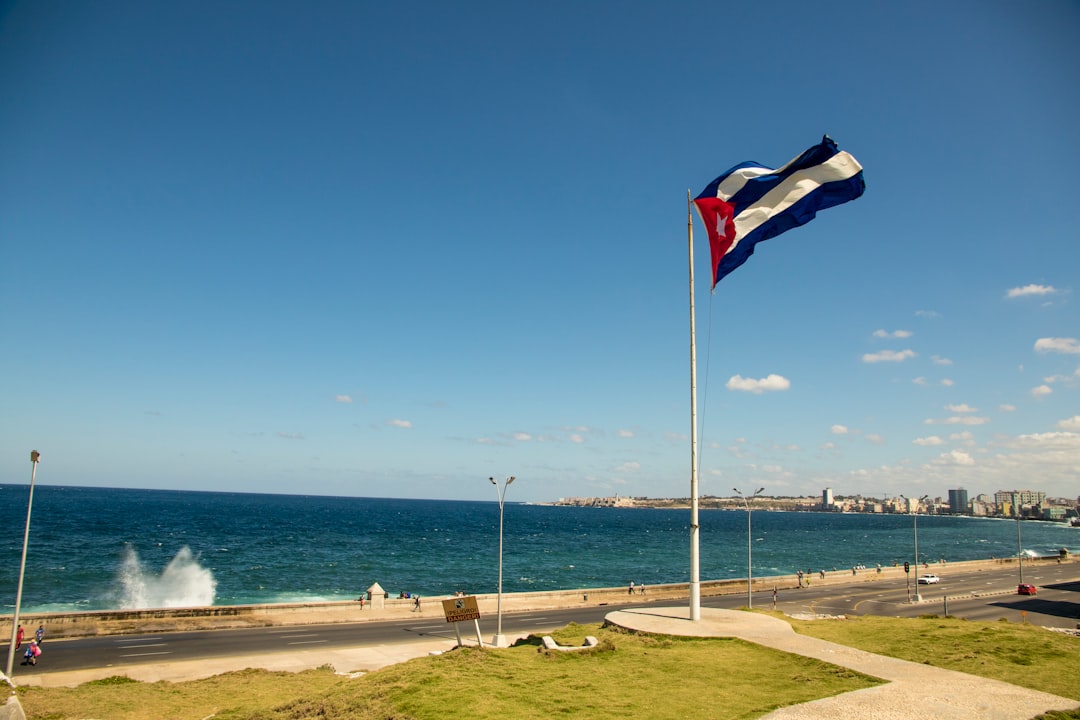
Cuba announced a second nationwide blackout in less than a week on Friday, leaving the island nation of 11 million people without electricity as its aging power infrastructure continues to fail under the strain of economic crisis and decades of deferred maintenance.
The Cuban Electrical Union reported that the national grid suffered a total collapse early Friday morning, the second such failure since the previous weekend. The blackout affects the entire country, including the capital Havana, with restoration efforts expected to take several days.
The repeated grid failures signal not just an energy crisis but a potential humanitarian catastrophe. Without electricity, food refrigeration fails, water pumping stations cease operation, and medical facilities must rely on backup generators that many lack or cannot fuel. Hospitals in Havana have reported critical shortages of diesel to run emergency generators, raising concerns about patient care.
Cuba faces its worst economic crisis in three decades, a perfect storm of factors that have converged to produce the current energy emergency. US sanctions, tightened under the first Trump administration and never fully eased, have restricted the island's access to fuel imports and technical equipment. The collapse of Venezuela's oil industry eliminated what was once Cuba's primary energy lifeline. And the COVID-19 pandemic devastated the tourism industry that provided crucial hard currency.
The electrical infrastructure itself dates primarily from the Soviet era. Many power plants are more than 40 years old, operating well beyond their intended service lives. Maintenance has been deferred for years due to lack of spare parts and technical expertise. When combined with chronic fuel shortages, the result is a grid that can barely meet baseline demand even under ideal conditions.
Friday's collapse came despite government efforts to manage electricity consumption through rolling blackouts in different regions. Those controlled outages were intended to prevent exactly the kind of cascading failure that occurred, but they proved insufficient to stabilize a system stretched beyond its limits.
Cuban officials blamed the crisis on US sanctions and what they termed "economic warfare" against the island. President Miguel Díaz-Canel said in televised remarks that "the imperialist blockade is responsible for the suffering of our people," a reference to American trade restrictions that have been in place, in various forms, since 1962.
American officials reject that characterization. The State Department has pointed out that Cuba can purchase food, medicine, and other humanitarian goods from the United States, and that the primary obstacles to Cuban development are the government's economic policies and refusal to implement market reforms.
To understand today's headlines, we must look at yesterday's decisions. Cuba's energy dependence was a strategic choice made during the Cold War, when Soviet subsidies and Venezuelan oil made self-sufficiency unnecessary. The collapse of both those support systems has exposed the vulnerability of that model, but the Cuban government has been unwilling or unable to make the structural reforms that might attract the foreign investment needed to modernize infrastructure.
The humanitarian consequences are mounting. Water service has been disrupted in major cities, forcing residents to collect water from tanker trucks or natural sources. Food spoilage is widespread, exacerbating shortages that were already severe. Schools and businesses have closed indefinitely.
The crisis also raises the prospect of a migration wave that would directly affect the United States. Previous periods of Cuban economic collapse—most notably the "Special Period" of the 1990s following the Soviet Union's dissolution—triggered mass emigration attempts by sea. US Coast Guard officials have reportedly increased patrols in the Florida Straits in anticipation of similar attempts.
Cuban engineers estimated that partial power restoration could begin within 48 to 72 hours, but warned that the grid remains fragile. Even once electricity is restored, the underlying problems—fuel shortages, aging equipment, insufficient maintenance—will persist.
"We are working around the clock to restore service," said Alfredo López Valdés, director of the Cuban Electrical Union, in a press conference Friday. But he acknowledged that lasting solutions would require resources the government currently lacks.
For ordinary Cubans, Friday's blackout represents the latest hardship in a series that has tested the resilience of a population already enduring severe shortages of food, medicine, and basic goods. How long that resilience can hold under these conditions is a question that concerns not just Havana but Washington as well.