Cuba will allow its citizens living abroad to invest in and own businesses on the island for the first time since the Revolution, Deputy Prime Minister Oscar Pérez-Oliva Fraga announced in an exclusive interview with NBC News.
The policy, which Fraga disclosed before presenting it to the Cuban public Monday, represents a dramatic reversal for a government that has maintained strict control over the economy for more than six decades. "Cuba is open to having a fluid commercial relationship with U.S. companies," Fraga said, "and also with Cubans residing in the United States and their descendants."
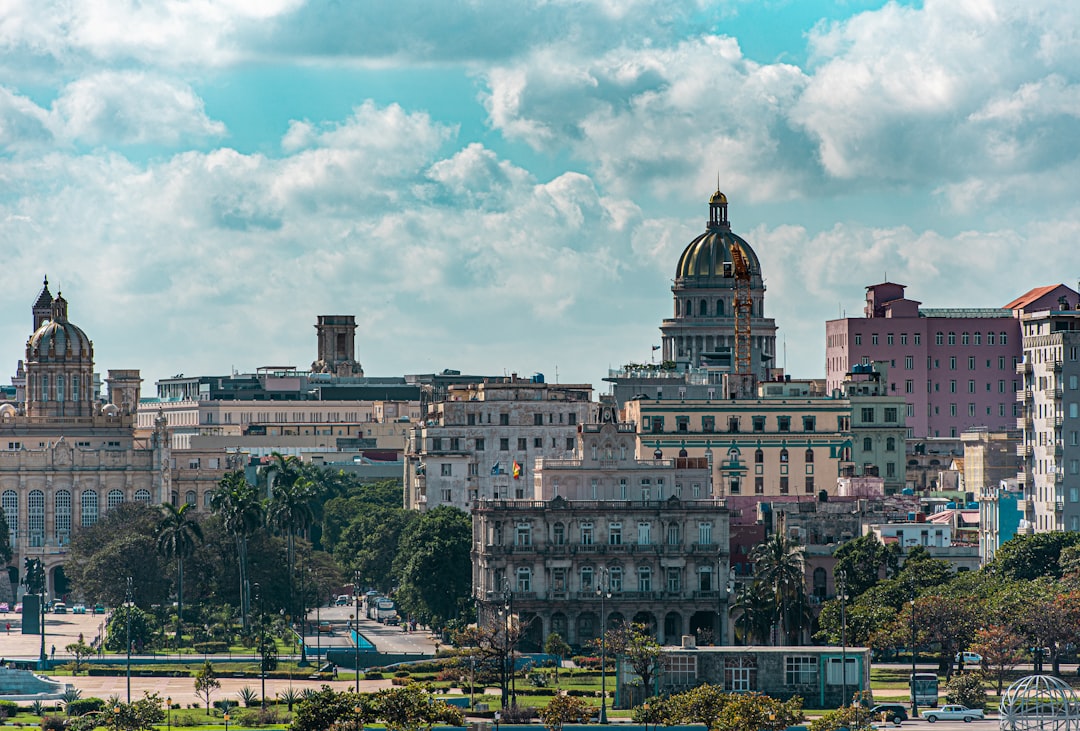
The announcement comes as Havana faces its worst economic crisis since the collapse of the Soviet Union. Not a single petroleum shipment has arrived in three months, plunging the island into blackouts that have disrupted hospital surgeries and sparked rare violent protests—most notably in the city of Morón, where demonstrations turned destructive.
The new policy isn't limited to small corner shops. Fraga emphasized that the government welcomes "not only small investments, but also large investments, particularly in infrastructure"—a reference to the island's crumbling power grid, shuttered hotels, and dormant mining operations.
For the estimated 2 million Cubans living in the United States—many concentrated in Miami—the policy opens unprecedented economic channels to family members still on the island. But it also reflects Havana's desperation: after decades of resisting market reforms, the Communist government is turning to the very diaspora it once labeled traitors.
blamed the U.S. blockade for depriving of But he also confirmed—for the first time—that is negotiating with the administration on these reforms, a tacit admission that revolutionary ideology alone cannot revive tourism, stabilize energy production, or prevent further unrest.