Cuba's nights are filling with the sound of banging pots—the cacerolazo, Latin America's oldest protest tradition—as blackouts stretch past twenty hours in some provinces and Donald Trump promises Havana's communist government will fall "very soon."
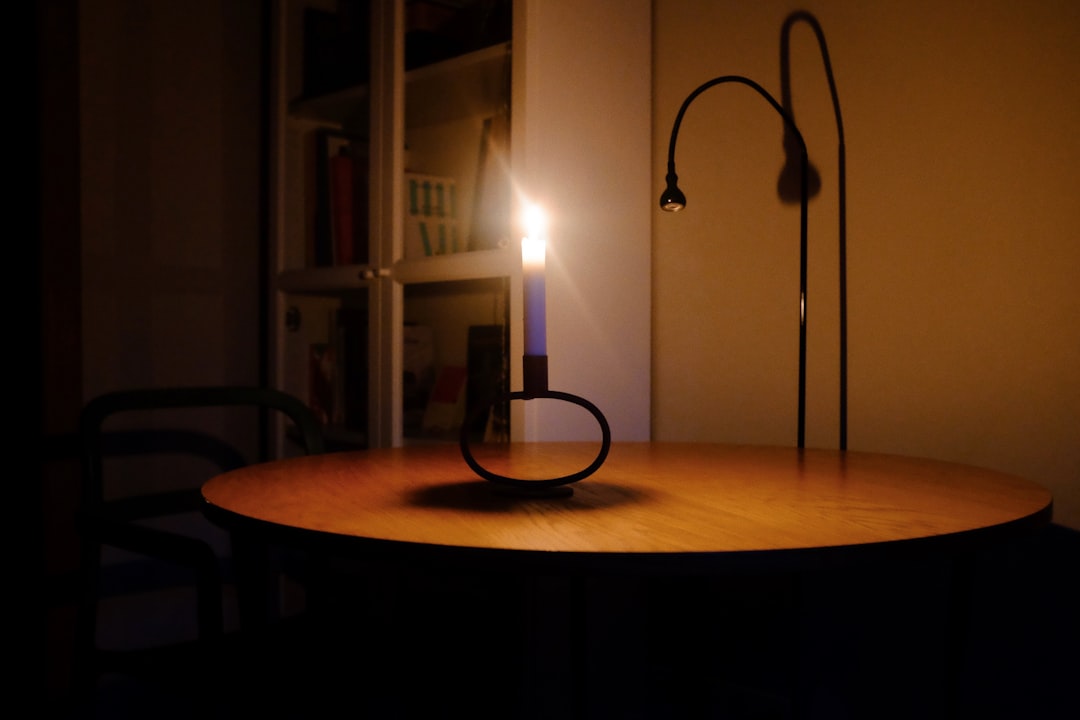
The protests erupted across western Cuba last week after the Antonio Guiteras power plant failed, plunging two-thirds of the nation into darkness. In Centro Habana, Arroyo Naranjo, La Habana Vieja, San Miguel del Padrón, Marianao, and as far as Jagüey Grande in Matanzas province, Cubans stood on balconies and street corners demanding "¡Pongan la luz!" (Put on the lights!) and chanting broader anti-government slogans.
The electrical grid now operates at 67% deficit—a crisis so severe that fuel scarcity prevents even partial restoration. According to 14ymedio, these mark the first simultaneous multi-municipality cacerolazos of 2026, a sign that popular patience with the Revolution's economic collapse has reached a breaking point.
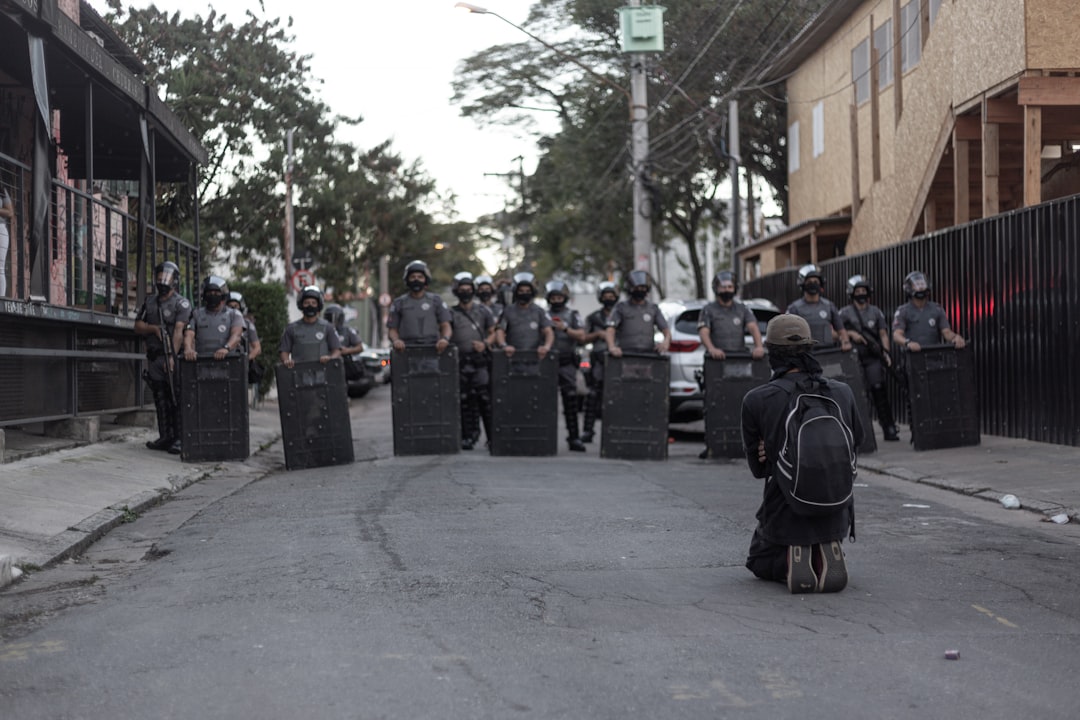
Cuban authorities issued no public statement. Police appeared at protest sites but did not violently suppress the demonstrations—a restraint born less from tolerance than calculation. The regime knows what happened in Venezuela, where protests metastasized into political crisis.
But Washington sees an opening. Speaking at his Americas Counter Cartel Coalition summit in Florida, Trump told reporters that after dealing with Iran, Secretary of State Marco Rubio would "take one hour off, and then he'll finish up a deal on Cuba. That'll be an easy one."
It won't be. Rubio's timeline is fantasy. Cuba is not Venezuela—there is no Delcy Rodríguez here to cut deals, no military command ready to defect, no parallel government waiting in Miami. The Revolution's institutions remain intact, and while support has cratered, enough Cubans still defend the system to make regime collapse a civil war, not a transition.
The economic crisis is real—blackouts, food shortages, mass emigration. But Cuba's government has survived sixty-seven years of U.S. pressure, including far harsher sanctions than these. What the cacerolazos reveal is not imminent collapse but a population demanding accountability from a system that promised them dignity and now cannot keep the lights on.
Twenty countries, 650 million people. Cuba is 11 million of us, and we deserve better than being used as a talking point in Washington's geopolitical chess game. The protesters banging pots in Havana aren't asking for American intervention—they're asking for electricity, food, and a government that works. Somos nuestra propia historia, and Cuba's future will be written by Cubans, not by promises made in Mar-a-Lago.