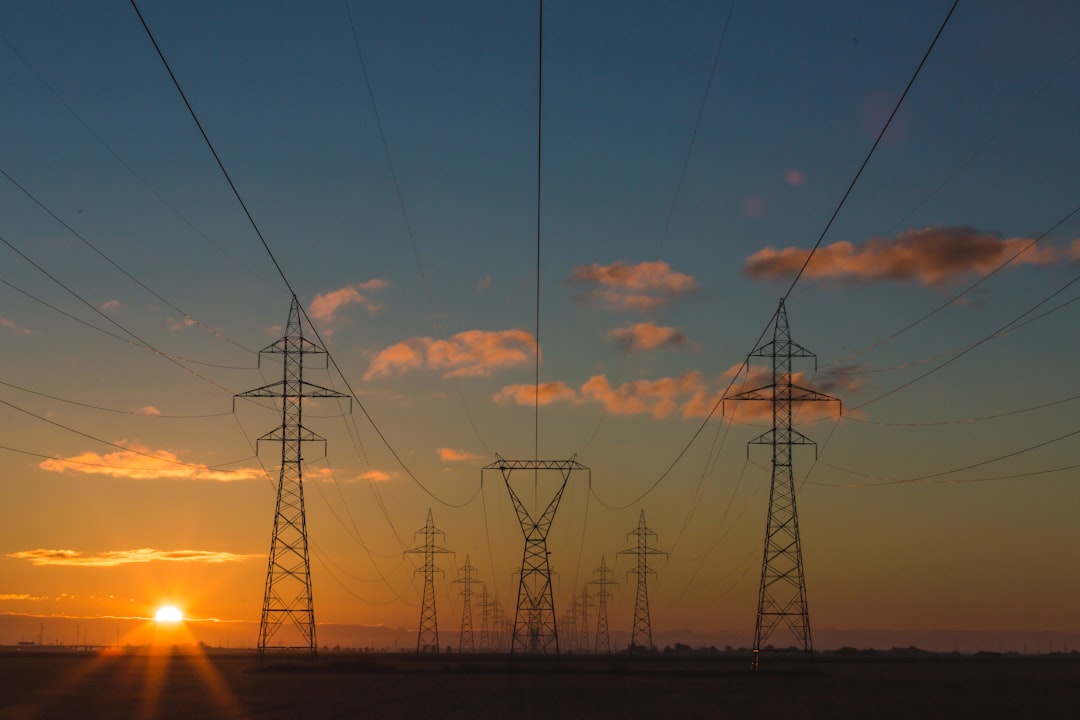
Cuba's already fragile electrical infrastructure suffered a partial grid collapse Saturday evening, plunging major portions of Havana and eastern provinces into darkness just hours after the Energy Minister publicly acknowledged the island nation has run out of fuel oil and diesel.
The stark admission by Minister Vicente de la O Levy on state television Saturday morning—that Cuba currently possesses "insufficient fuel reserves to maintain reliable power generation"—was followed by cascading failures across the national grid beginning at approximately 6:40 p.m. local time, according to CBC News.
The timing underscores the severity of Cuba's energy crisis, which has been building since Venezuela—long the island's primary oil supplier—reduced shipments by more than 60% over the past two years due to its own economic implosion and intensifying US sanctions targeting petroleum exports to Havana.
To understand today's headlines, we must look at yesterday's decisions. Cuba's energy dependence on Caracas dates to the early 2000s, when President Hugo Chávez provided subsidized oil in exchange for Cuban medical personnel. That lifeline has steadily eroded since Chávez's death in 2013, leaving Havana scrambling for alternative suppliers in Russia and Iran—nations themselves constrained by sanctions.
The blackouts come as Cuba faces its worst economic crisis since the "Special Period" following the Soviet Union's collapse in the 1990s. Inflation has exceeded 70% annually, food shortages have triggered rare public protests, and an estimated 400,000 Cubans—roughly 4% of the population—have emigrated since 2022, primarily to and .