While Brussels publishes white papers on 'strategic autonomy,' Croatia is doing something more concrete: bringing back the draft.
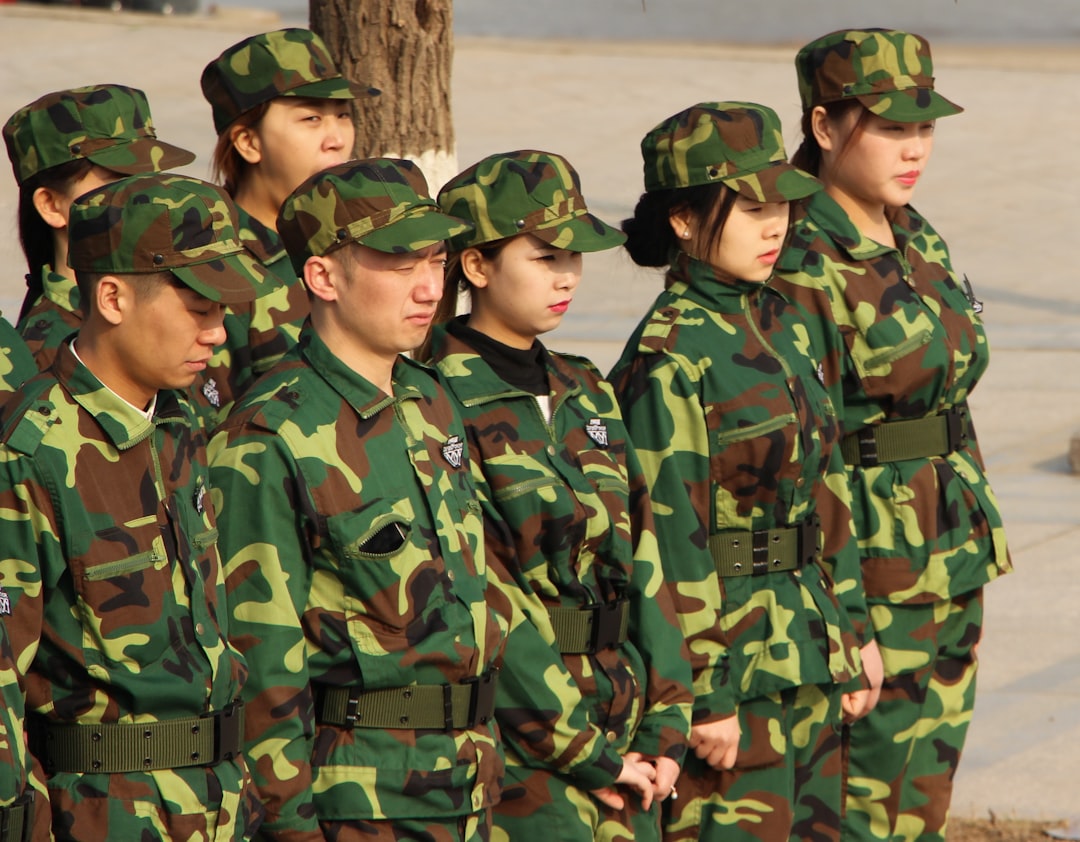
The Croatian government announced it will reinstate mandatory military service, the BBC reported, joining a growing list of European countries quietly rebuilding conscription armies outside EU institutional frameworks. This isn't about EU defense policy or Commission coordination. This is bottom-up rearmament by countries that have decided they can't wait for Brussels consensus when they share borders with Russia's sphere of influence or sit near Balkan powder kegs.
Croatia abolished conscription in 2008, part of a post-Cold War wave when European countries professionalized their militaries and slashed defense budgets. The 'peace dividend' was real, and for nearly two decades, it worked. Except now the security assumptions that justified it—Russia contained, Balkans stable, America reliably engaged in Europe—look increasingly quaint.
The Croatian move follows similar decisions by Sweden (conscription reinstated 2017), Lithuania (2015), Latvia (gradually reintroducing since 2024), and expanded mandatory service in Norway and Finland. Even Germany, which suspended conscription in 2011, is debating whether to bring it back. The pattern is clear: countries near Russia or historical conflict zones are rebuilding military capacity, and they're doing it through national decisions, not EU coordination.
This is the most significant European military shift since the Cold War ended, and it's happening almost entirely outside the EU Common Security and Defense Policy framework. Brussels talks about strategic autonomy—the ability to act independently of American military power—but when European countries actually build military capacity, they do it through national parliaments and NATO commitments, not through EU institutions.
Why? Because defense policy remains almost entirely national in the EU. The bloc has a foreign policy chief (currently ), various military missions, and endless strategic documents. But actual decisions about who serves, what equipment to buy, and when to deploy forces remain with member state capitals. The EU can barely agree on foreign policy statements, let alone create a supranational army.