
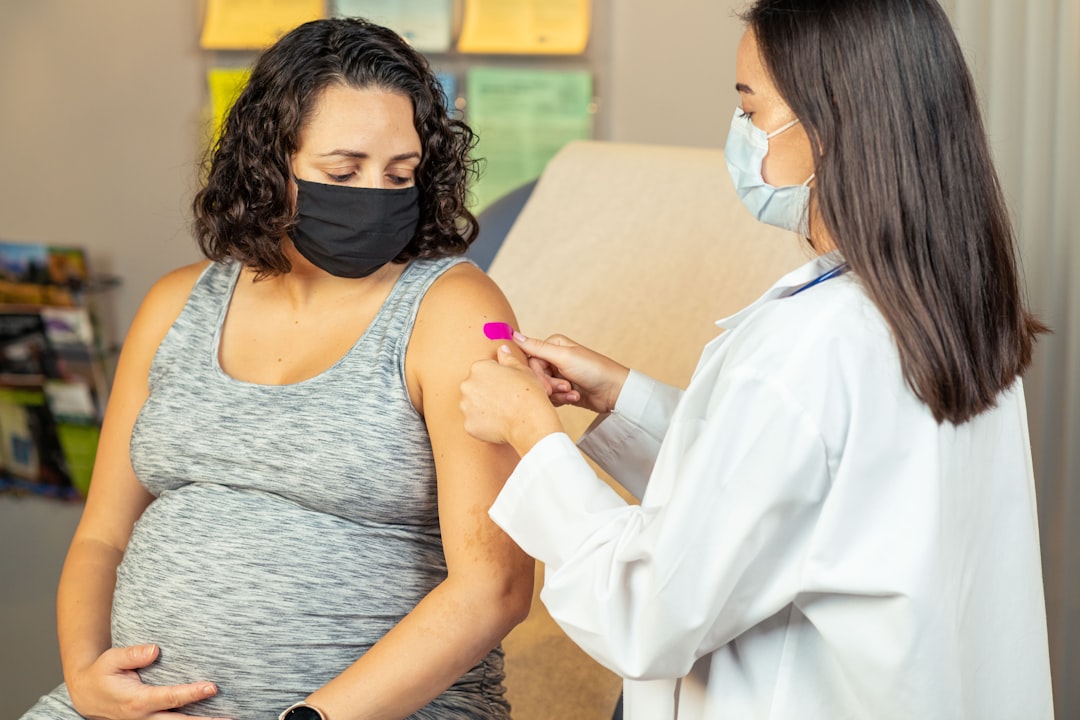
Getting vaccinated against COVID-19 during pregnancy reduces the risk of infant hospitalization by 50% in the first two months of life, according to a major new study published in Pediatrics. The research also directly refutes claims that maternal vaccination causes "immune dysregulation" in babies.
The study, which analyzed data from 146,000 infants born between 2021 and 2023, found that babies whose mothers received at least one dose of mRNA vaccine during pregnancy had significantly lower rates of COVID-related hospitalization compared to infants of unvaccinated mothers. The protective effect was most pronounced in the critical first eight weeks of life, when newborns are most vulnerable.
"This is exactly what we hoped to see—maternal antibodies crossing the placenta and protecting infants during their most fragile period," the research team noted in their findings. The mechanism is straightforward: when pregnant individuals are vaccinated, they produce antibodies that pass through the placenta, providing passive immunity to the newborn until the infant can receive their own vaccinations.
Perhaps equally important is what the study didn't find. One persistent piece of vaccine misinformation has been the claim that COVID vaccination during pregnancy causes immune system problems in babies, making them more susceptible to other infections. The researchers specifically tested this hypothesis by tracking rates of hospitalization for all infections—not just COVID—in the first six months of life.
The result? No increased risk whatsoever. Infants exposed to the vaccine before birth showed no elevated rates of respiratory syncytial virus, influenza, or other common infant infections. If anything, the data suggested these babies were healthier overall, though those differences weren't statistically significant.
The study's large sample size and real-world setting make it particularly valuable. This wasn't a controlled trial in ideal conditions—it was an analysis of actual birth outcomes across diverse populations. The findings held up across different demographics, different vaccine timing during pregnancy, and different variants of COVID-19 circulating in the community.
There are limitations, of course. The study couldn't account for every possible confounding variable—vaccinated pregnant people might have been more likely to take other precautions, for instance. And the follow-up period only extended to six months, so longer-term outcomes remain an area for future research.