A two-week Costa Rica itinerary showcased the country's exceptional biodiversity and adventure opportunities across four regions - until a venomous spider bite in one of Earth's most biologically intense environments provided a harsh reality check about wilderness travel risks.
The journey began in La Fortuna, delivering on its reputation for nature and adventure. Three nights brought rafting, hanging bridges, a swim in the beautiful La Fortuna waterfall, and views of the active volcano. Uvita followed with three nights where "the rainforest meets the beach" - a relaxing stretch with macaws and monkeys everywhere, featuring the traveler's first surf lesson.
Drake Bay on the Osa Peninsula ramped up the wilderness factor. Reaching the remote location required crossing multiple rivers, with almost no tourists in sight. The area lacks ATMs and gas stations. Scuba diving at Isla del Caño delivered sightings of manta rays, sharks, whales, and turtles. Hidden beaches accessible only by foot reinforced the sense of genuine remoteness.
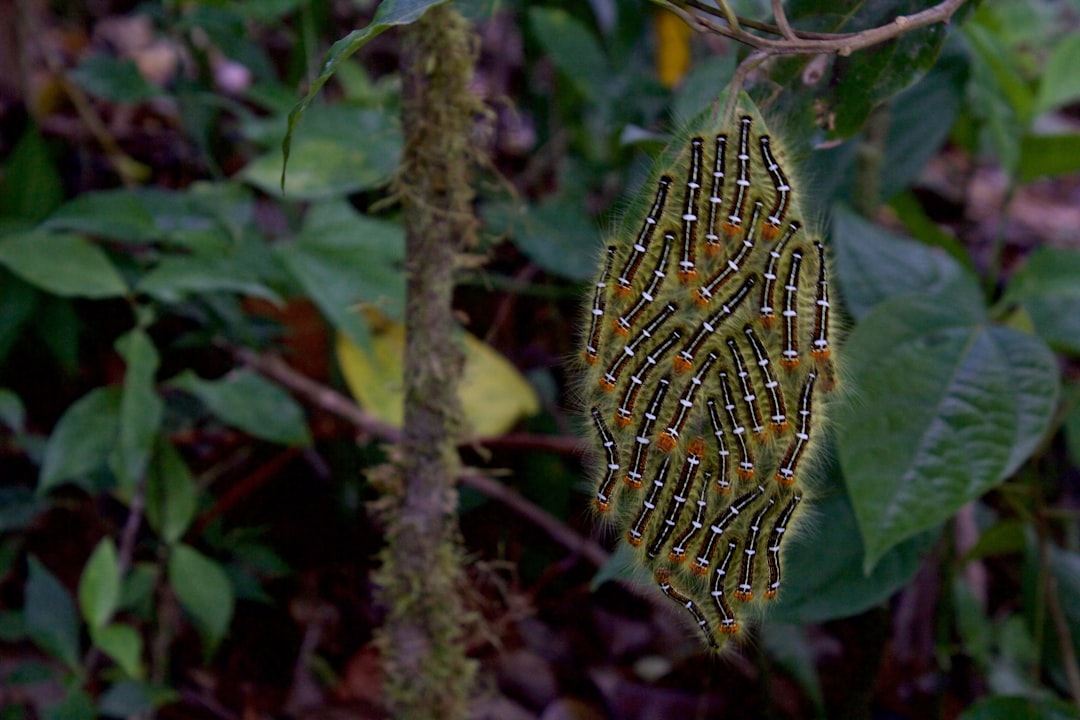
Then came Corcovado National Park, described as "the most biologically intense place on earth." Accessible only by boat from Drake Bay, the massive wilderness park offers guided treks through pure jungle with no phone signal. The experience felt "like a David Attenborough documentary mixed with an episode of Lost," with a highlight being a baby tapir sighting. Visitors sleep in basic mixed bunk beds at ranger stations.
But biological intensity cuts both ways. A venomous spider bite forced an emergency evacuation back to Drake Bay for medical help, cutting the Corcovado experience to one day instead of the planned overnight stay.
The incident underscores a critical point about eco-adventure destinations: Costa Rica markets itself as an accessible nature paradise, but remote areas like the Osa Peninsula carry real medical risks. The nearest hospital can be hours away, and wilderness guides aren't emergency medical technicians.
The traveler's final stop, the surf town of Dominical, became an enforced relaxation period due to the spider bite preventing further activities. They spent two nights recovering by the beach and pool.
Costa Rica delivered on wildlife, locals, and natural beauty - but travelers heading to remote areas should prepare for genuine wilderness conditions, including medical evacuation insurance and realistic assessment of risks beyond the Instagram aesthetic.