Japan has long had a reputation for being prohibitively expensive, deterring many digital nomads from extended stays. But a couple who just completed six weeks working remotely in Japan has broken down their complete expenses - and the numbers might surprise budget-conscious nomads.
The couple spent $10,000 total for six weeks, including flights, trains, and accommodation. But here's the crucial detail: they estimate individuals can do it for $2,000-$3,000 per month once you're there, especially if you make smart location choices.
"Because we were there in March and rented a place for the month of March in Otsu (just outside of Kyoto), our accommodation was $3K split between 3 people," they shared on r/digitalnomad. "Not too bad in our opinion, but we had a comfy spot with great wifi (300mbps+) and convenient location."
The Location Strategy
Their key budget hack was staying in Otsu instead of Kyoto proper. This small city just across the border from Kyoto offers significantly cheaper accommodation while maintaining easy train access to one of Japan's most popular tourist destinations.
"We could take trains and busses to most of the trails that we hiked with no problems and rely on them to pick us up in random areas more in the country," they explained. Japan's public transit system proved to be a major asset for nomads - spectacularly efficient, consistent, and extensive enough to support both work and adventure.
The reliability of public transport also enabled their use of Japan's luggage shipping services, which they called "such a useful tool." This allows travelers to send bags ahead to their next accommodation, eliminating the need to haul everything on trains and making multi-city stays far more manageable.
Working and Living
The wifi quality was crucial for their remote work setup. Their Otsu accommodation provided 300mbps+ speeds, more than sufficient for video calls and other work requirements. They noted that wifi quality was excellent even in more remote locations they rented.
Gym access proved more challenging. "Gyms were kind of tough to get a membership for us. We ended up just hiking and walking a bunch and taking a break from the gym, which was nice. If you do day passes its easier." For nomads who prioritize fitness facilities, this is worth planning for in advance.
The Food Equation
Food emerged as both affordable and healthy, particularly important for one member of the group dealing with health concerns. "It is so easy to eat clean and you can do it at the convenience stores," they reported. "Its literally like a cheat code if you want to get on a diet."
Convenience stores in Japan - far superior to their Western counterparts - offer fresh, healthy meals at reasonable prices. This makes maintaining good nutrition while working remotely easier and cheaper than in many digital nomad hotspots.
They also enjoyed the restaurant scene, noting "all the jazz music playing at restaurants and we saw some local live shows in dive bars." While they ate out frequently, budget travelers can keep costs down by balancing restaurant meals with convenience store options.
Beyond Work: Making It Count
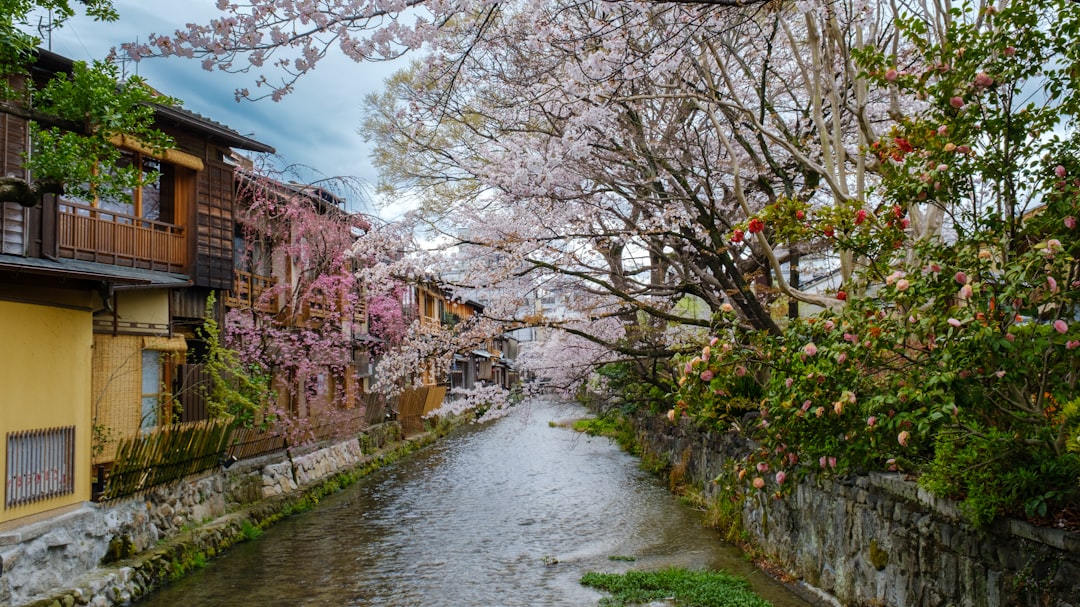
The couple maximized their stay by integrating work with adventure. Highlights included hiking extensively in the mountains around Kyoto, catching cherry blossom season along rivers and canals, biking the Shimanami Kaido route, and completing a section of the Kumano Kodo trail with hot spring rewards.
"We started with a week in Nagano where my wife and I were able to do some snowboarding for a day, amazing and we will go back to experience some of that Japow! Cheap compared to the US," they noted. For nomads who enjoy outdoor activities, Japan offers surprisingly affordable options compared to North American destinations.
The Real Cost Breakdown
Their $10,000 total included flights (both international and domestic), extensive train travel throughout the country, accommodation for six weeks, and frequent dining out. Half of that cost was flights and accommodation.
For a solo nomad staying in one location, choosing somewhere like Otsu, Da Nang-style apartments, or using Japan-specific Facebook groups instead of Airbnb can bring costs down significantly. Eating primarily from convenience stores and local restaurants rather than tourist spots, limiting domestic flights, and using regional train passes strategically can all reduce expenses.
The Value Proposition
The couple emphasized that while Japan isn't as cheap as Southeast Asia, the value is exceptional. Spectacular public infrastructure, incredibly safe environment, excellent food quality, beautiful natural areas, rich culture, and reliable wifi make it worth the premium.
"We were headed to Da Nang after (we are here now)," they concluded. "So we can now have a cheaper couple of months, get back to the gym and balance out the Japan excursions." This strategy - alternating higher-cost destinations with budget-friendly ones - allows nomads to experience places like Japan without breaking their overall budget.
For digital nomads who've been putting off Japan due to cost concerns, the message is clear: it's more accessible than you think, especially if you're willing to look just outside the main tourist centers and embrace the local approach to daily life.