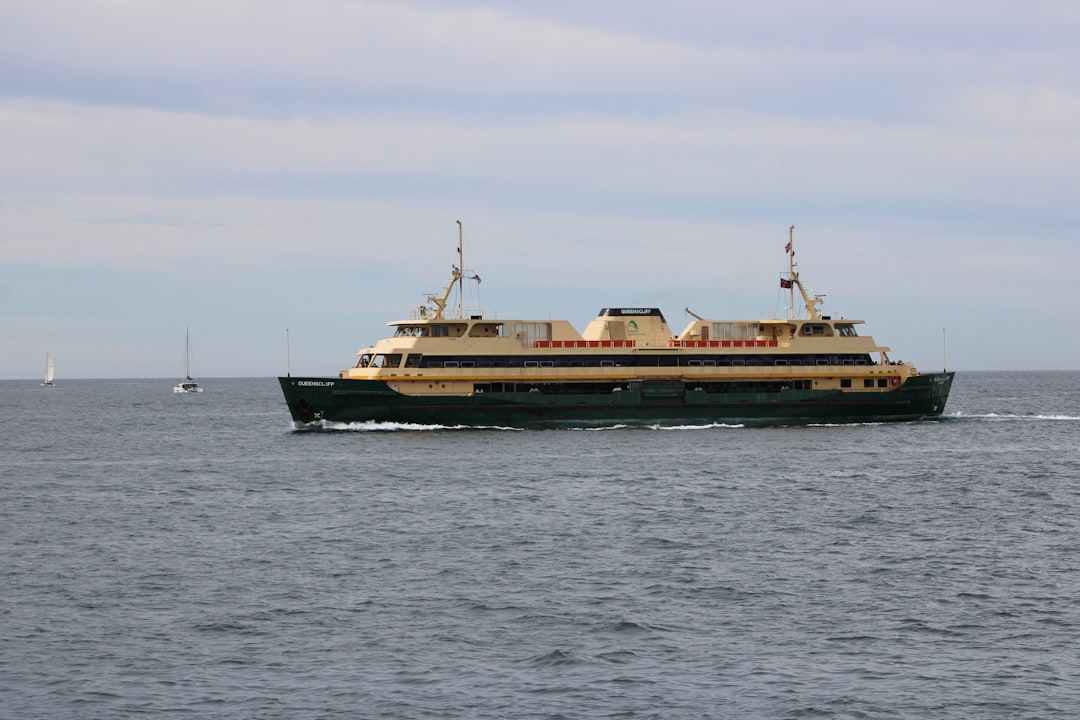
New Zealand's Cook Strait ferry replacement project is now $167 million over budget - and key port deals still haven't been signed - as the nation's critical transport link between the North and South Islands faces a mounting crisis.
The project's budget blowout comes at the worst possible time. The existing Interislander fleet has been reduced to just one operational ferry after technical faults took vessels out of service.
Mate, this is infrastructure crisis meets political failure. The Cook Strait ferries are critical national infrastructure - imagine if the Channel Tunnel was down to one lane.
The budget overrun raises serious questions about project management and planning. How does a ferry replacement project - something New Zealand has done before - end up $167 million over budget before key port agreements are even finalised?
The Cook Strait crossing is vital to New Zealand's economy and connectivity. The ferries carry passengers, vehicles, and freight between Wellington and Picton, linking the country's two main islands. There's no bridge, no tunnel - just ferries.
When those ferries don't work, the entire country feels it. Supply chains break down. People can't travel. The economy takes a hit.
And right now, the ferry system is hanging by a thread. One operational ferry can't handle normal demand. The backup vessels are out of service with technical problems. And the replacement project that's supposed to solve this is massively over budget with unsigned contracts.
This is systematic failure in New Zealand infrastructure planning. The government knew the existing ferries were aging. It knew replacements would be needed. It had years to plan and budget properly.