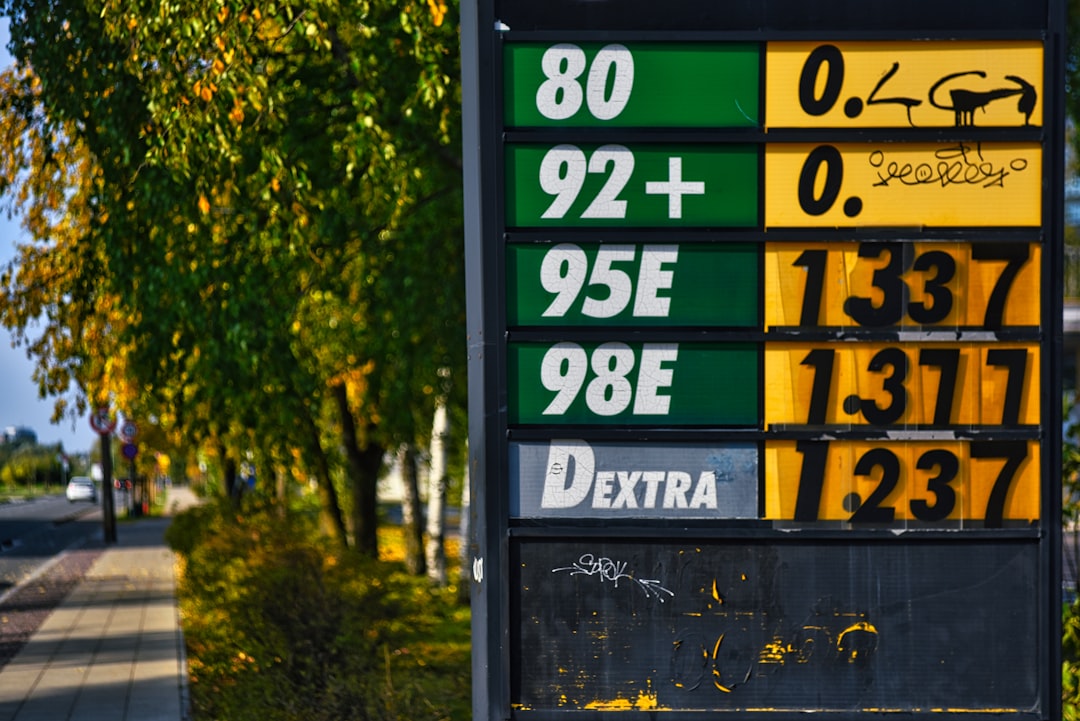
American consumers have officially given up on the economy. The University of Michigan's Consumer Sentiment Index plunged to a fresh record low in May, driven by surging gasoline prices that are hammering household budgets and crushing what little optimism remained.
The numbers don't lie. Consumer sentiment fell to its lowest level ever recorded, extending a decline that began earlier this year as gas prices climbed past $5 per gallon in many major markets. The psychological impact of pain at the pump cannot be overstated—every trip to the gas station is a reminder that household purchasing power is evaporating.
This matters more than most headlines suggest. Consumer spending accounts for roughly 70% of US economic activity. When confidence collapses, spending follows. The retail sector will feel it first—discretionary purchases like electronics, furniture, and dining out typically take the initial hit. Then it spreads.
The Fed now faces an impossible choice. High gas prices are driving inflation expectations higher, which would normally call for tighter monetary policy. But consumer sentiment this weak signals an economy already tipping toward recession. Raise rates to fight inflation and risk crushing demand. Hold steady and watch inflation expectations become unanchored.
Wall Street hasn't fully priced in this disconnect yet. The S&P 500 continues trading near all-time highs, buoyed by earnings beats and AI enthusiasm. But if consumer sentiment translates to actual spending declines in the next quarter, earnings estimates will need serious revision.
Several sectors face immediate pressure. Retailers, restaurants, and consumer discretionary companies should brace for softer guidance. Meanwhile, energy companies are making money hand over fist—the wealth transfer from consumers to producers is running at historic levels.
The question now is whether this sentiment collapse becomes self-fulfilling. Consumers who expect a recession tend to spend like one is coming, which helps create the recession they feared. The numbers suggest we're already in that loop.
For corporate America, the message is clear: plan for slower growth and tighter margins. Consumers aren't just pessimistic—they're tapped out. And when consumers pull back, earnings seasons get ugly fast.