Conservation organizations worldwide face an unprecedented funding crisis following massive cuts to United States foreign aid, forcing a desperate search for alternative resources to protect biodiversity hotspots and endangered species that have long depended on American support.
The United States Agency for International Development (USAID) has historically provided billions of dollars annually for global conservation efforts, supporting everything from anti-poaching patrols in Africa to rainforest protection in the Amazon. The sudden withdrawal of these funds threatens to undo decades of progress in protecting the world's most vulnerable ecosystems and species.
In nature, as across ecosystems, every species plays a role—and humanity's choices determine whether the web of life flourishes or frays. USAID's conservation programs represented more than money—they embodied international cooperation to preserve shared natural heritage. Their loss creates gaps that no single entity can easily fill.
Conservation leaders acknowledge the challenge's magnitude while expressing determination to adapt. "We cannot replace USAID, but we can do big things," one conservation director noted, emphasizing that the crisis has galvanized the sector to explore innovative funding models and forge new partnerships.
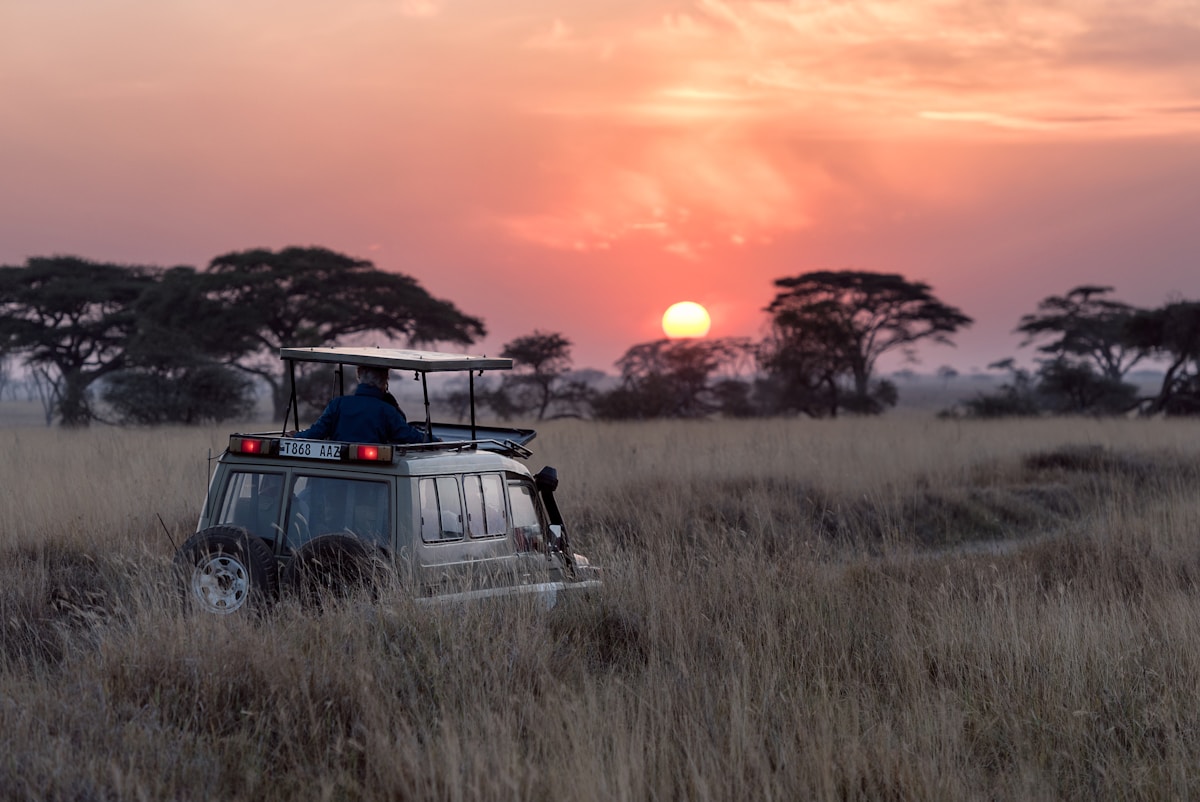
Immediate impacts are already visible. Anti-poaching units in Kenya and Tanzania face potential downsizing. Reforestation projects in Indonesia and Madagascar must seek emergency funding to continue. Community-based conservation programs that provided alternative livelihoods to people living near protected areas scramble to maintain operations.
The funding cuts strike at a critical moment for global biodiversity. Scientists warn that species extinction rates have accelerated to levels 1,000 times higher than natural background rates. Climate change compounds conservation challenges by forcing species to migrate, disrupting ecosystems, and intensifying human-wildlife conflicts. Reducing conservation investment now, when threats are mounting, risks catastrophic losses.

Conservation organizations are exploring multiple strategies to fill the funding void. European governments have signaled willingness to increase conservation aid, though political and budgetary constraints limit their capacity to fully replace American funding. Private philanthropy offers another avenue, with several major foundations pledging to increase biodiversity grants. Carbon markets and payment-for-ecosystem-services programs could channel private sector money toward conservation.
Yet each alternative brings limitations. European aid arrives with different priorities and bureaucratic requirements. Philanthropic funding, while valuable, cannot match government-scale resources. Market-based mechanisms remain unproven at the scale needed to protect global biodiversity.
Local and indigenous communities bear the heaviest burden from funding cuts. Many conservation programs supported community-managed protected areas, providing training, equipment, and economic alternatives to resource extraction. These grassroots efforts often prove more effective than top-down approaches because local people have the strongest incentives to protect resources they depend upon. Losing support for community conservation could force people back toward unsustainable practices.
Endangered species face heightened risks. Mountain gorillas, whose populations had finally begun recovering after decades of protection efforts, could see gains reversed if anti-poaching patrols lose funding. Sea turtle conservation programs across Central America and Southeast Asia that reduced poaching and protected nesting beaches now face uncertain futures. Snow leopards, jaguars, elephants—species that require vast landscapes and intensive protection—all depend on sustained funding that USAID cuts jeopardize.
Conservation scientists emphasize that protecting biodiversity delivers benefits far beyond species survival. Healthy ecosystems provide clean water, regulate climate, prevent flooding, and support agriculture. Protecting forests in the Amazon and Congo Basin stabilizes global carbon cycles. Conserving wetlands protects coastal communities from storms. Investing in conservation is investing in humanity's future.
The crisis has prompted soul-searching within the conservation community about funding diversification and resilience. Over-reliance on any single source—even one as generous as USAID—creates vulnerability. Organizations are now prioritizing diverse funding portfolios, domestic resource mobilization in host countries, and sustainable financing mechanisms that can survive political changes.
Whether conservation can successfully navigate this funding crisis will determine the fate of countless species and ecosystems. The challenge ahead is immense—but so is the conservation community's commitment to protecting the natural world that sustains all life on Earth.