Computex 2026 in Taipei isn't just another tech conference. It's the week where the entire computing industry might pivot in a new direction. Three massive announcements converged: Nvidia entering the PC CPU market, Intel fighting back with its 18A process across handhelds, desktops, and servers, and the "AI PC" concept finally getting real hardware behind it.
Let's break down what actually happened and why it matters.
Nvidia dropped the biggest bomb. The RTX Spark Superchip is a complete computing platform: 20-core Arm CPU (built with MediaTek), Blackwell GPU with 6,144 CUDA cores, up to 128GB unified memory. Starting at $1,499 from every major PC manufacturer. This isn't a GPU add-on - it's Nvidia saying "we're in the CPU business now, and we're coming for everyone."
Jensen Huang called it "as big as the reinvention of the phone into the smartphone." History suggests betting against Huang is unwise. Nvidia has the CUDA moat, the market cap, and now the full platform. If they execute, Intel, AMD, Qualcomm, and even Apple have a real competitor.
Intel isn't going quietly. They officially launched Arc G3 and Arc G3 Extreme for gaming handhelds - the first chips designed exclusively for that form factor, built on the new 18A process. But the real headline is the roadmap: 52-core Nova Lake desktop processors and 288-core Clearwater Forest Xeon for servers, all on 18A.
If 18A works, Intel is back in the game. If it doesn't, they're done as a leading-edge manufacturer. The entire comeback story rides on this process node.
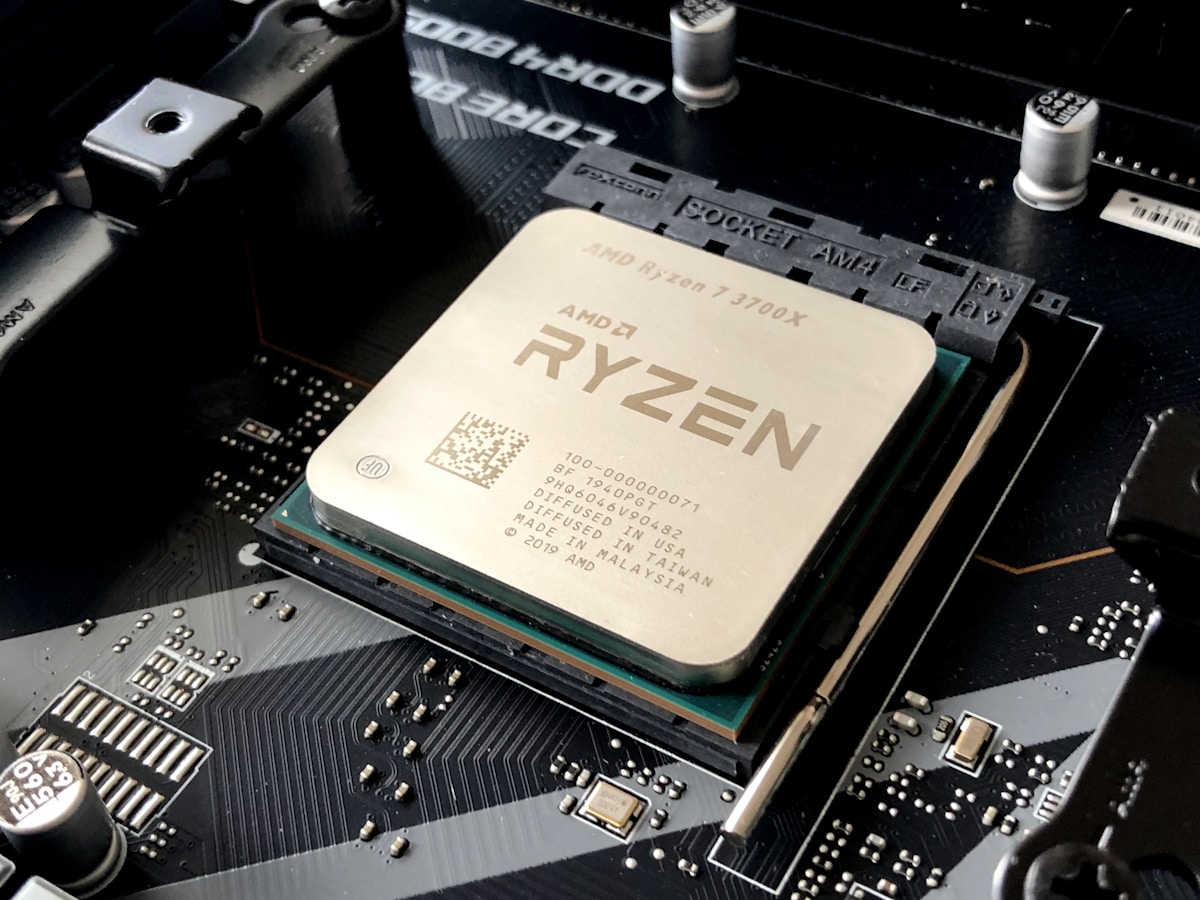
AMD was relatively quiet at Computex, which probably means they're preparing their own response. The Ryzen Z2 dominates handheld gaming. Their EPYC server chips are eating Intel's lunch. But Nvidia entering the CPU market changes the competitive landscape entirely.
And then there's Microsoft. The Surface Laptop Ultra - 15-inch MiniLED, 128GB RAM, Blackwell GPU, under 18mm thick - is the flagship RTX Spark device. Microsoft is betting the Surface line on Nvidia's platform. That's a strong signal this isn't vaporware.
One industry analyst captured the stakes: "The PC market hasn't seen this level of competition since AMD64 vs Intel IA-64. Now you have x86 (Intel, AMD), ARM (Qualcomm, Apple, Nvidia+MediaTek), and RISC-V lurking. Plus dedicated handheld chips. The consumer wins."
They're right. We're entering an era of genuine architectural diversity in computing. For decades, the PC market was x86 or nothing. Apple broke free with M-series. Now Nvidia is taking a shot. Qualcomm is still in the fight. RISC-V is maturing. The monoculture is ending.
The "AI PC" narrative is finally getting real hardware. For years, every PC vendor has claimed their laptop is "AI-ready" because it has a neural processing unit that accelerates Windows Hello facial recognition. That was marketing nonsense. But a laptop with one petaflop of AI compute and 128GB unified memory? That can actually run frontier AI models locally. That's the real deal.
The question is software. As one developer noted: "Nvidia bringing full CUDA to ARM is huge, but will all the middleware and tools follow? Apple showed with M-series that the transition can work, but it took years."
That's the entire ball game. Hardware is impressive. But ecosystems are sticky. Developers build for the platforms they know. Users stick with the platforms that run their apps. Transitioning an entire industry from x86 to Arm - or to any new architecture - requires years of sustained effort.
Apple could do it because they control the entire stack and have a cult-like user base willing to deal with compatibility issues. Microsoft and Nvidia don't have that luxury. Windows users expect everything to just work. If your apps don't run, or run slowly under emulation, users will return the laptop.
But the potential is there. CUDA on Arm means machine learning engineers can finally run their full workflows on a laptop. 128GB of unified memory means video editors can work with 8K footage without a desktop workstation. One petaflop of AI compute means genuinely useful agentic AI running locally, not in the cloud.
The economics matter too. Running AI in data centers costs real money at scale. Running it on user devices costs electricity. If the industry can shift AI compute from centralized clouds to distributed edge devices, the cost structure of AI changes fundamentally.
Computex 2026 is the week where that transition became plausible. Not certain. Not guaranteed. But plausible.
The technology is impressive. The competitive dynamics are fascinating. The question is execution. Can Nvidia build a PC ecosystem? Can Intel deliver on 18A? Can Microsoft make Windows on Arm actually work this time?
We'll know within a year. Devices ship in Q4 2026. Developers either embrace the platforms or they don't. Users either buy the laptops or they don't.
But if this works - if the pieces come together - we'll look back at Computex 2026 as the week the computing industry pivoted. From x86 dominance to architectural diversity. From cloud-centric AI to edge-based AI. From incremental improvements to genuinely new computing paradigms.
Or we'll look back and laugh at the hubris. Time will tell. Either way, it's going to be fascinating to watch.