
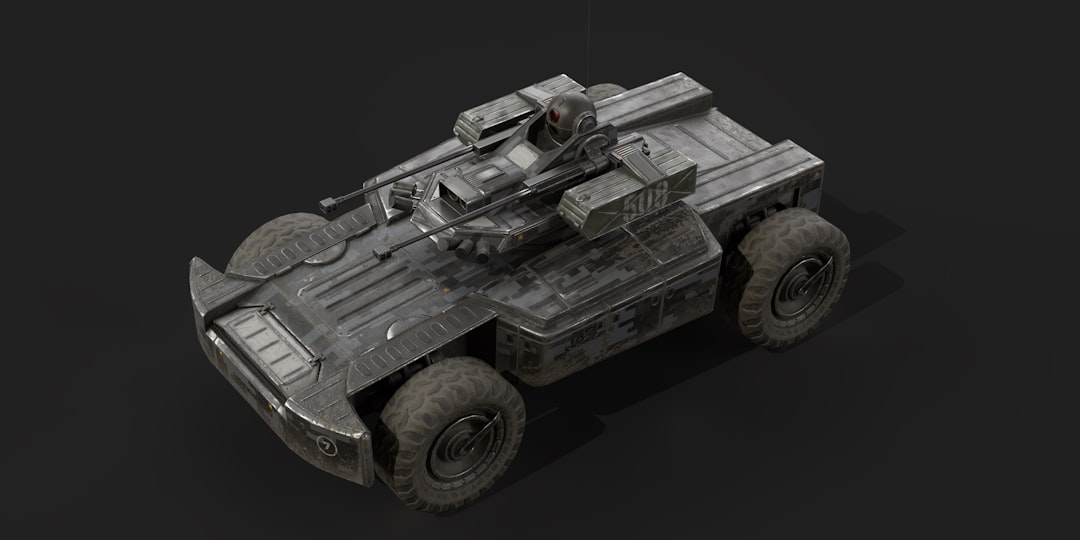
Ukrainian ground robots are evacuating wounded soldiers from frontline positions, combining supply delivery with casualty evacuation in operations that reduce medic exposure to enemy fire, according to documentation from the 100th Separate Mechanized Brigade.
The Sirko-S1 robot, operated by the brigade's robotic systems unit, encountered Ukrainian soldiers near Kostiantynivka in Donetsk region while returning from a resupply mission. Using built-in speakers, the unmanned vehicle greeted troops with "Glory to Ukraine, warriors! Do you need help?" before assisting in evacuating a wounded soldier.
The incident demonstrates how Ukrainian forces have integrated robotic systems into frontline logistics and medical evacuation—roles traditionally performed by soldiers exposed to artillery, small arms, and drone threats. Unmanned ground vehicles can navigate terrain under fire while human medics coordinate from protected positions.
"This is innovation driven by necessity," explained military technology analysts following Ukrainian robotics development. "Every casualty evacuation under fire risks additional casualties among medics and security personnel. Robots don't eliminate that risk, but they fundamentally change the calculus."
The Sirko-S1 platform operates in dual-purpose roles, delivering ammunition, food, and medical supplies to forward positions before returning with wounded soldiers or equipment. This operational flexibility maximizes utilization of robotic assets that can conduct multiple mission types per sortie.
In Ukraine, as across nations defending their sovereignty, resilience is not just survival—it's determination to build a better future. The integration of life-saving robotic systems reflects Ukrainian military innovation focused on preserving soldier lives while maintaining operational effectiveness in high-intensity combat.
Ukrainian forces have deployed various unmanned ground vehicle types throughout the war, ranging from small supply carriers to larger platforms capable of transporting wounded personnel. The systems operate via remote control or semi-autonomous navigation, with operators maintaining oversight from concealed positions.
The robots address critical challenges in frontline medical evacuation, where the period immediately following injury—the ""—determines survival and recovery outcomes. Traditional evacuation requires medics to reach wounded soldiers under fire, stabilize casualties, and withdraw while exposed to the same threats that caused initial injuries.