Colombia's coffee region remains one of South America's best-value destinations—but hidden fees are chipping away at those savings faster than travelers realize.
A detailed trip report from Pereira and the Coffee Axis posted to r/solotravel praised the region's affordability, accessibility, and stunning landscapes. But buried in the practical advice was a warning about two costs eating into budgets: steep ATM fees and predatory Dynamic Currency Conversion (DCC).
ATM cash advance fees in Colombia now hit 26,000 COP—roughly $7.50 USD per withdrawal. That's eye-watering by Latin American standards. For comparison, many Southeast Asian countries charge $2-$4, and some European nations have capped or eliminated ATM fees entirely.
At $7.50 per withdrawal, a traveler pulling out $100 at a time pays a 7.5% fee before their own bank's foreign transaction fees kick in. For budget travelers tracking daily expenses to the dollar, that's brutal math.
Worse still: DCC is "everywhere in Colombia now," according to the trip report. Dynamic Currency Conversion is the practice where merchants and ATMs offer to charge your card in your home currency rather than Colombian pesos—with exchange rates 5-7% worse than official rates.
The scam works because it sounds helpful. "Would you like to pay in USD?" seems convenient. But that convenience costs travelers hundreds of dollars on a multi-week trip. Always select "pay in local currency" when given the option. Your bank's exchange rate, even with foreign transaction fees, beats DCC every time.
Beyond the fees, the report painted Pereira and the Coffee Axis as excellent value. Uber rides cost $2-$4 for most in-city trips, even in moderate traffic. The most expensive ride—to a coffee farm outside the city—was $11 each way.
Accommodation and food remain affordable across budget ranges. Pereira's Pinares neighborhood offers comfortable mid-range hotels without budget hostel drawbacks or luxury price tags.
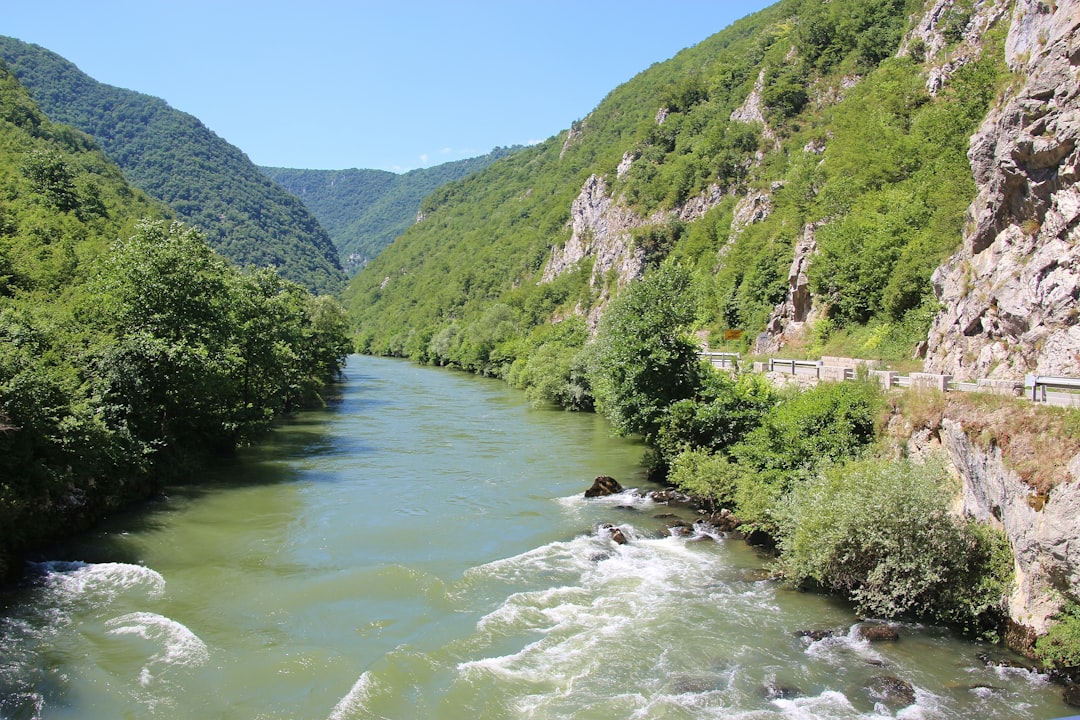
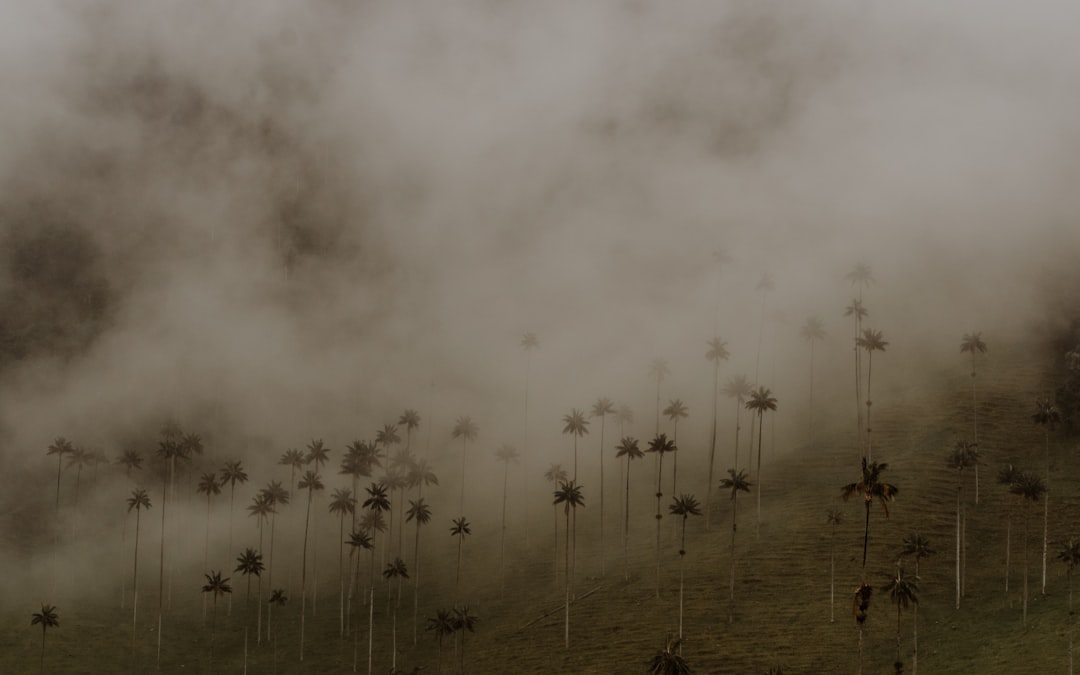
The region's highlight is Valle de Cocora, described as "one of the most impressive places I've ever been to"—high praise in a report otherwise focused on practical logistics. The valley's towering wax palms and cloud forest hiking justify the trip alone, even with the long walk and intense sun exposure.
Safety in Pereira falls between paranoid Bogotá and relaxed coastal towns. Basic precautions suffice. Road trips to Quindío department attractions like Salento, Filandia, and Parque del Café proved safe and straightforward.
The report's communication warning deserves attention: avoid Tigo Colombia "at all costs." A purchased tourist eSIM with "unlimited data" never activated properly despite visits to three Tigo stores. The backup—Vodafone Travel eSIM—worked but runs on roaming, potentially draining phone batteries faster.
For travelers of color and LGBTQ+ visitors, the report noted no race-related issues despite a Panamanian accent occasionally being mistaken for Venezuelan (which can trigger xenophobic reactions in some South American countries). Pereira is more conservative than Bogotá regarding public displays of affection, but remains far more tolerant than many destinations.
The bottom line: Colombia's Coffee Axis delivers incredible value—if you can avoid the ATM and DCC traps. Bring enough cash for the first few days, withdraw large amounts to minimize fee frequency, and always decline Dynamic Currency Conversion. Follow those rules, and the region remains one of South America's best budget travel destinations.