For 125 million smallholder farmers across the tropics, coffee is not a morning ritual — it is a livelihood, a culture, and in many cases the sole source of household income. A new analysis published in February 2026 finds that the climate conditions which make high-quality coffee cultivation possible are disappearing across much of the world's coffee belt, threatening an agricultural system that has sustained rural economies for generations.
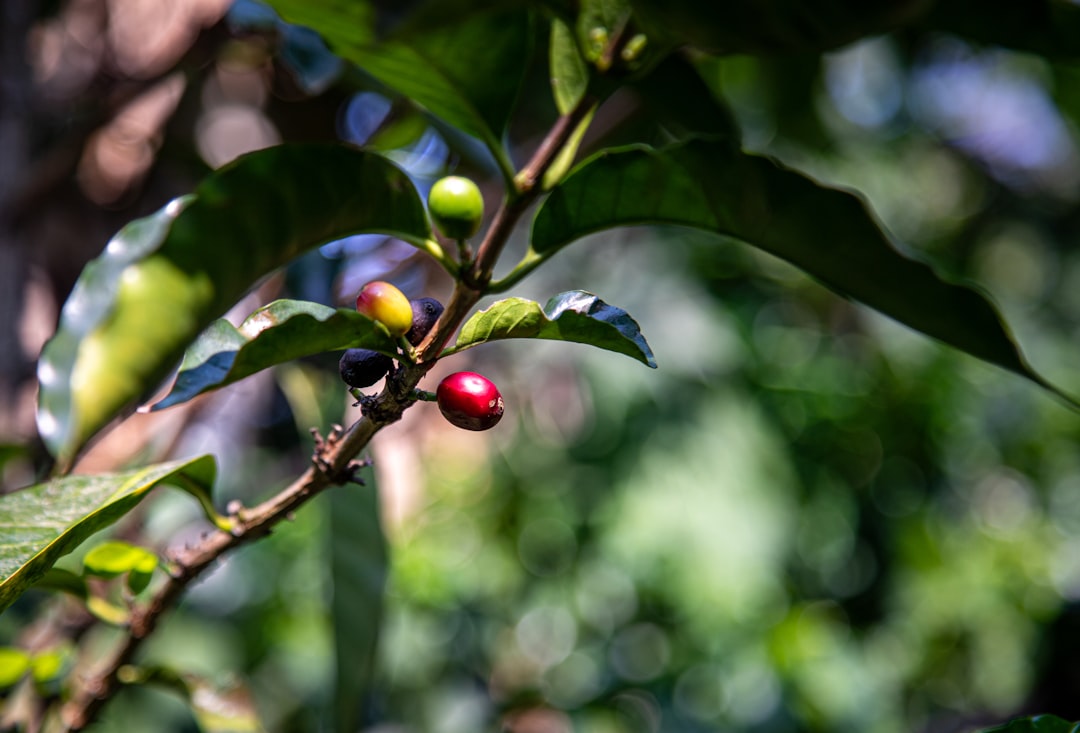
The analysis, reported by The Guardian, finds that major coffee-producing nations are experiencing rising temperatures and increasingly erratic rainfall that push growing conditions beyond the tolerances of Coffea arabica — the species that accounts for roughly 60 percent of global production and commands the premium prices that smallholder farmers depend on. Arabica is sensitive: it requires average temperatures between 18 and 22 degrees Celsius and reliable seasonal rainfall. Both are becoming harder to find across traditional growing regions.
The affected geography spans continents. In Ethiopia, the birthplace of coffee, highland growing areas are warming at rates that compress the viable altitude range upward — and there is only so much mountain. In Brazil, the world's largest producer, drought frequency and intensity have increased substantially over the past decade, damaging yields and forcing expensive irrigation investments beyond smallholder budgets. Across Central America — Honduras, Guatemala, Colombia, and Costa Rica — the coffee rust fungus Hemileia vastatrix is spreading to higher elevations as temperatures rise, devastating crops that were once climatically protected by altitude.
The human cost lands hardest at the bottom of the supply chain. Multinational roasters and commodity traders can absorb price volatility, diversify sourcing, or substitute varieties. The farmer on a few hectares in the Colombian highlands, or a cooperative in rural Honduras, cannot. When a harvest fails or a region becomes unviable, it is those farming households — predominantly in the developing world — that bear the full weight of the loss.
Adaptation options exist but require resources that most affected farmers lack. — planting coffee under a forest canopy that buffers temperature and moisture extremes — can extend viable growing conditions while also providing habitat for migratory birds and other biodiversity. Switching to more heat-tolerant robusta varieties is possible in some contexts, though it typically means lower market prices. Relocating cultivation to climatically viable higher elevations creates its own pressures on montane ecosystems and raises land access questions for smallholders who may not own the land they would need to move to.