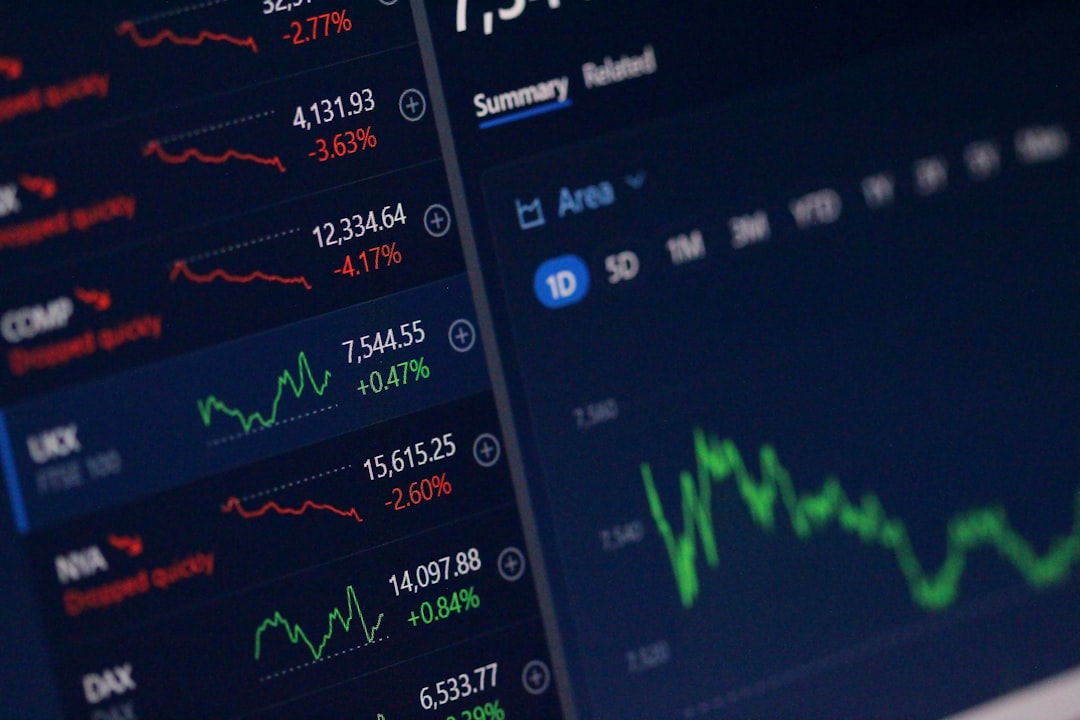
When the head of the world's largest derivatives exchange warns that government intervention would cause a "biblical disaster," it's worth paying attention. Terry Duffy, CEO of CME Group, just delivered that warning to the U.S. government as it reportedly considers using futures markets to bring down oil prices.
According to the Financial Times, Duffy made clear that any attempt by Washington to manipulate oil derivatives markets would "erode confidence" in price discovery mechanisms that the entire global economy depends on. And he's absolutely right.
Why Market Intervention Breaks Everything
Here's what most people don't understand about commodity markets: prices aren't just numbers on a screen. They're signals. When oil hits $100 a barrel, that price tells producers to drill more wells, tells consumers to use less, and tells investors where to allocate capital. It's how supply and demand reach equilibrium without anyone giving orders.
The moment government steps in to artificially suppress prices, that entire mechanism stops working. Producers don't know if $80 oil is real or just temporary government intervention, so they don't invest in new capacity. Consumers don't adjust their behavior because prices are fake. And investors flee the market entirely because they can't trust that prices reflect actual fundamentals.
We've seen this movie before. Venezuela tried price controls on everything from gasoline to toilet paper. Argentina has been manipulating its currency and commodity markets for decades. It doesn't end well. You get shortages, black markets, and eventually the dam breaks and prices explode anyway - only now you've destroyed market confidence in the process.
The Real Problem Washington Won't Admit
Oil is expensive right now because there's a war in the , global spare capacity is tight, and OPEC isn't riding to the rescue. Those are fundamentals, not speculation. The already tapped the during the post-Ukraine price spike, and it barely made a dent. Now reserves are lower, production growth has slowed, and the Iran conflict is worse than anyone expected.