India freed prominent climate activist and engineer Sonam Wangchuk on Friday after revoking a controversial detention order issued under the National Security Act, a rare government reversal that highlights the delicate politics of protest in the strategically sensitive Ladakh region.
Wangchuk, 58, was released after authorities withdrew the NSA order that had authorized his preventive detention without formal charges, according to The Times of India. The engineer-turned-activist, whose innovative ice stupa technique for water conservation inspired the Bollywood film "3 Idiots," had been leading demands for constitutional protections and environmental safeguards in Ladakh.
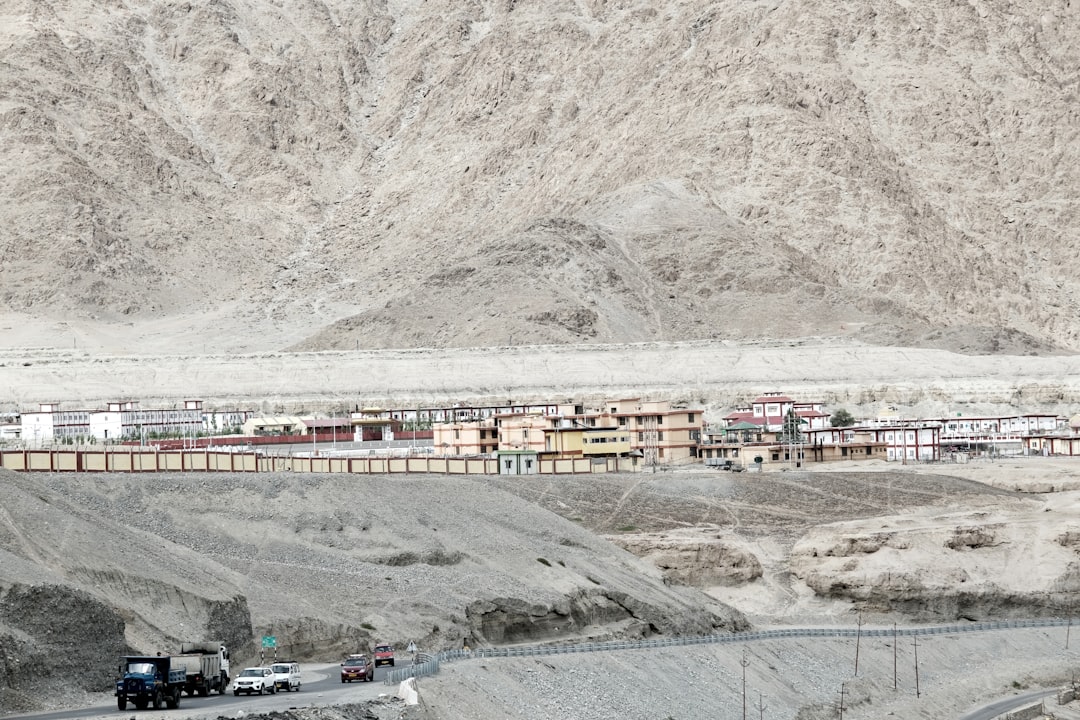
The detention and subsequent release illuminate the competing pressures facing New Delhi as it manages governance in Ladakh, a high-altitude region wedged between China and Pakistan where border tensions have resulted in deadly clashes in recent years. The region was separated from Jammu and Kashmir and converted into a Union Territory under direct federal control in 2019, a move that stripped its state-level legislative protections.
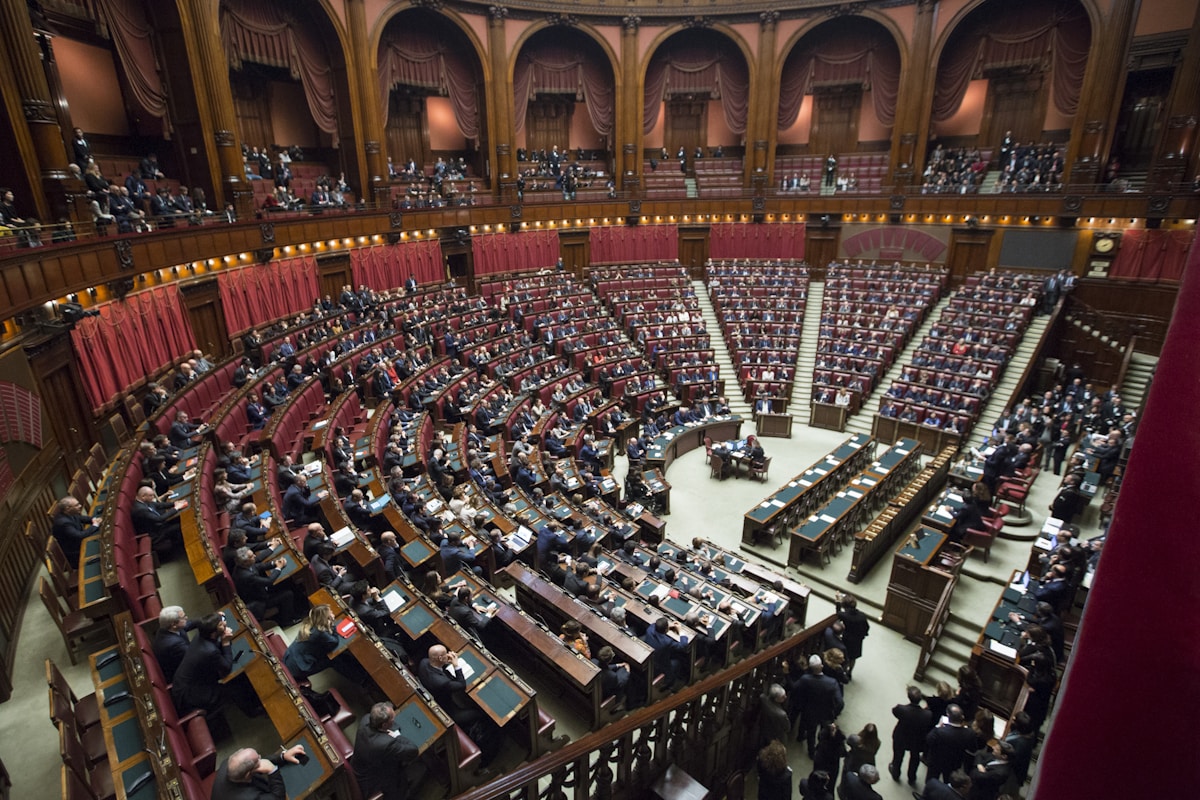
Wangchuk and local activists have been demanding Sixth Schedule status for Ladakh under the Indian Constitution, which would grant the region's tribal communities greater autonomy over land, resources, and cultural affairs. The protests have also called for separate Lok Sabha seats for Leh and Kargil districts and inclusion in the list of Scheduled Tribes, which would unlock reservation benefits and resource protections.
In India, as across the subcontinent, scale and diversity make simple narratives impossible—and fascinating. 's demands reflect the broader challenge of balancing local autonomy with strategic security in a region where faces active territorial disputes with both nuclear-armed neighbors.