There's no such thing as an "accidental" surveillance expansion. Once the infrastructure exists, mission creep is a feature, not a bug. And Cleveland just provided a perfect case study.
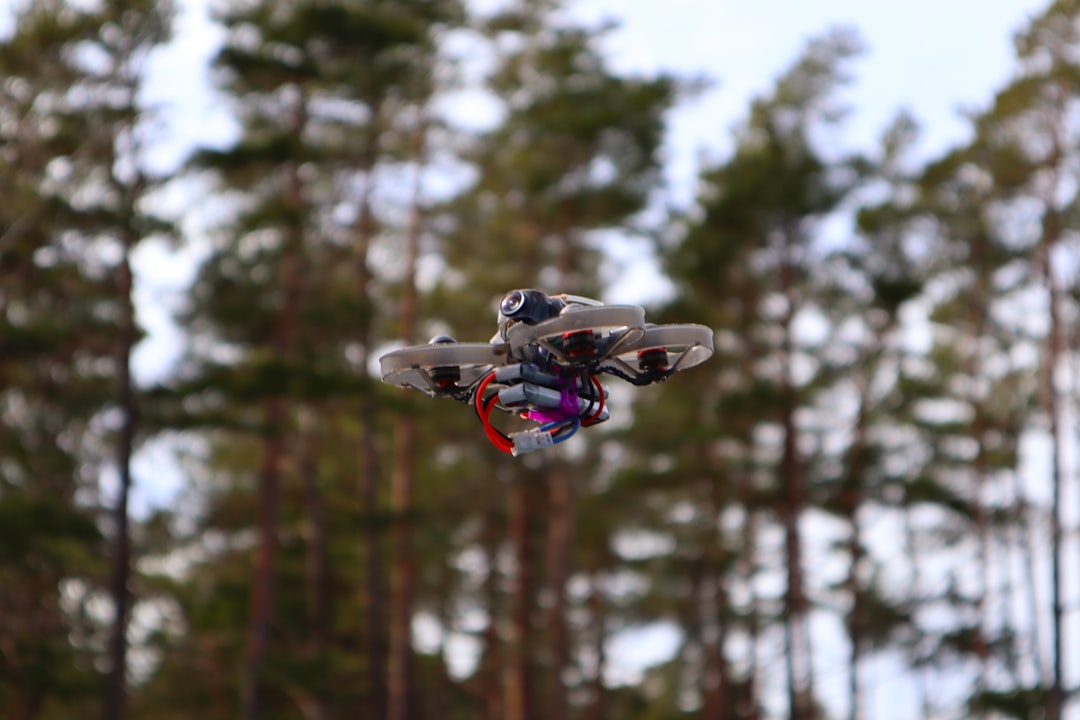
Records show that Cleveland's Flock camera network was used for immigration searches, with the city claiming Flock "accidentally" connected drones to the surveillance system. The Cleveland Plain Dealer reports that the integration happened without city authorization, but immigration enforcement agencies were able to access the expanded network for searches.
Let's be clear about what "accidentally" means here. Flock, a company that sells automated license plate readers and surveillance cameras to police departments nationwide, somehow connected drone surveillance feeds to Cleveland's camera network without anyone noticing. And those feeds were then used for immigration enforcement operations.
That's not an accident. That's how surveillance systems are designed to expand. Build the infrastructure, add capabilities incrementally, and let mission creep handle the rest. By the time anyone notices, the surveillance is already operational and politically difficult to roll back.
Flock's business model depends on making surveillance easy and ubiquitous. Their cameras track license plates, vehicles, and increasingly, individuals across entire cities. They sell the system to police departments as a tool for solving crimes. But once the infrastructure is in place, it can be used for anything - from parking enforcement to immigration sweeps to protest monitoring.
The Cleveland case reveals how quickly surveillance technology gets repurposed. The city deployed cameras for public safety. Those cameras got networked with drones. The drone feeds got accessed for immigration enforcement. All of this happened "accidentally," according to the official story. And by the time residents found out, it was already operational.
This is the pattern with surveillance tech: deploy it for sympathetic use cases (solving violent crimes), expand capabilities quietly (add drones, facial recognition, predictive analytics), and then discover years later that the system is being used for purposes far beyond what was originally authorized.
The technical term for this is "function creep," but that makes it sound unintentional. It's not. It's the business model. Surveillance companies build systems that can do far more than they initially advertise, knowing that law enforcement will eventually want those capabilities. And they're right.
What makes the Cleveland case particularly troubling is the immigration enforcement angle. License plate readers were sold as tools for finding stolen cars. Now they're being used to track individuals for civil immigration violations. That's not a bug. That's exactly how these systems are designed to work - collect everything, store it indefinitely, and query it for whatever purposes law enforcement wants.
The solution isn't better oversight of Flock. It's recognizing that building comprehensive surveillance infrastructure inevitably leads to comprehensive surveillance, regardless of the original stated purpose. You can't deploy a panopticon and then be surprised when it gets used as one.